
The Speaker of the House is the presiding officer of the Commons chamber, responsible for keeping order and overseeing debates and votes in the Lower house.
Since 2006, the House of Lords has had the official position of Lord Speaker. Prior to this, the Lord Chancellor normally acted as the presiding officer in the upper house.
A powerful yet sometimes dangerous role, the post of Speaker has existed almost as long as Parliament itself and has gone through many major changes since the 13th century…
The Speaker throughout History:
Medieval Period
The original role of the Speaker of the House of Commons was to be a link between the Commons and the Monarch; it was the Speaker’s job to report Commons debates and decisions to the King.
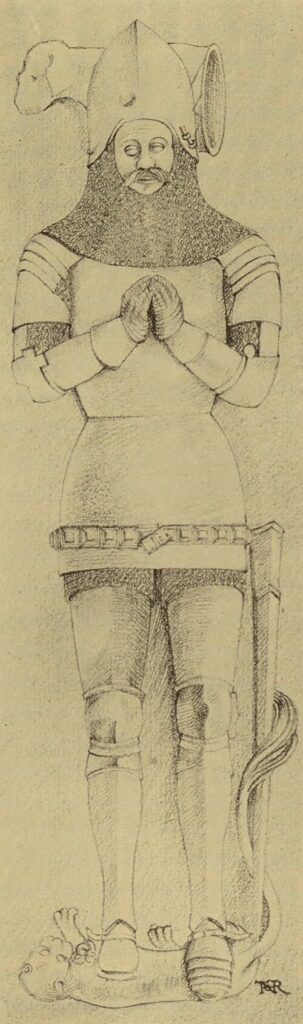
The first person officially titled ‘Speaker of the House’ was Sir Thomas Hungerford in 1377, although presiding officers overseeing Commons business can be traced back to the 13th century. Like today, in this period the Speaker was elected by the Members of the House of Commons itself, and their role then confirmed by the Crown.
By the mid-15th century the Speaker took on a more managerial role, prioritising particular subjects, deciding who would speak in debates, overseeing votes, advising the House on rules and procedures, and sometimes arranging for the passage of particular measures in the Crown’s interest. This reflected another major change in the role: while Speakers were initially very much the Commons’ choice, by the late 15th century they were usually a Crown servant.
This split allegiance between the Monarch and Members caused problems throughout the centuries.
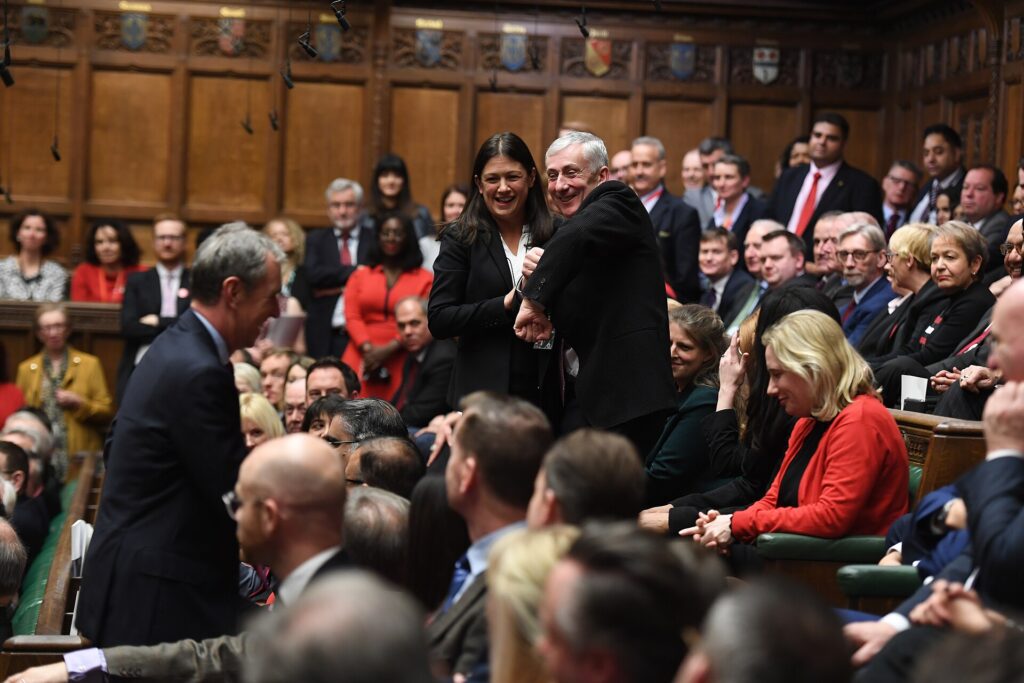
This role was often dangerous if the Speaker reported news that the Monarch did not like. In fact, seven Speakers were executed by beheading between 1394 and 1535. It is said that this is why, when elected to the role by fellow MPs in the chamber, it is tradition for the Speaker to pretend reluctance and then need to be ‘dragged’ to the chair.
Read More
Sir William Oldhall, Speaker in the Parliament of 1450-51
The ‘Election’ of the Speaker in the Fifteenth-Century Parliaments
William Catesby, Speaker in the Parliament of 1484, and the accession of Richard III
Sir Lindsay Hoyle being ‘dragged’ to the chair during the first sitting of the 58th Parliament, UK Parliament (17 December 2019), CC BY 3.0
Tudor and Stuart Period
House of Commons
By the 16th century, the Speaker’s role looked a lot like it does today. They oversaw voting in the House, appointed tellers, advised the House regarding rules and procedure, chose what bills to debate, decided who should be allowed to speak, and oversaw the work of the Clerks.
The Speaker was not supposed to voice their opinion on any bill unless permitted by the House, and they were not normally allowed to serve on committees either.
During this period, the Speaker said a prayer at the beginning of each day and was expected to remain in the chair until the normal close of business, or until permitted to leave by the House. If the Speaker was too ill to attend, the House simply could not meet.
While they were supposed to be the House’s mouthpiece, the Speaker unofficially did the bidding of the Monarch. So, while the Speaker was chosen by the Commons, they were always pre-selected by the Monarch.
The Speaker was normally an experienced member of the Commons, such as Christopher Wray (Speaker in 1571) or Sir Edward Phelips (1604-10), who both sat in multiple Parliaments. However, there were some exceptions, such as John Puckering in 1584, who was chosen despite having never served in the Commons before. All of the 17 men who held the office of Speaker between 1559 and 1629 were lawyers.
The Speaker was the only member of the Commons to receive a wage from the Crown.
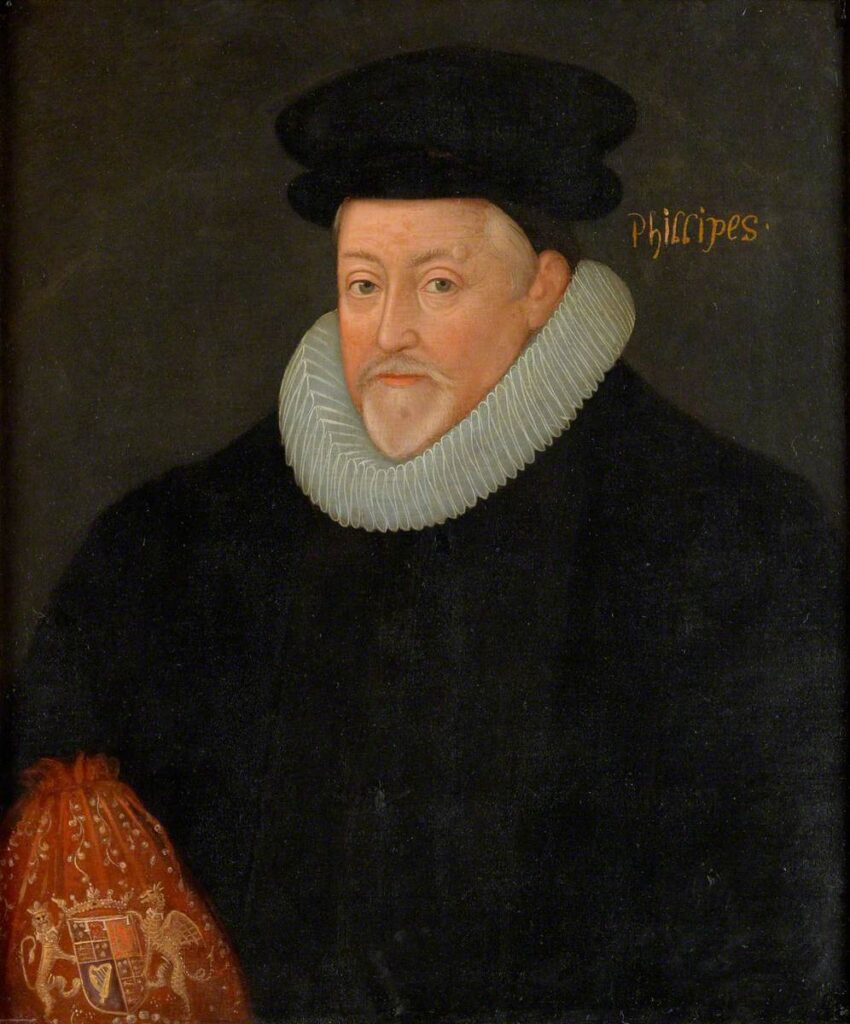
Sir Edward Phelips, Image credit: Parliamentary Art Collection, via Art UK
House of Lords
Like the Commons, the Lords had their own Speaker, as the Lords Standing Orders of 1621 make clear. But the Lords did not elect their Speaker; the office was held by the person who was head of Chancery (the Lord Chancellor or the Lord Keeper). It was not until 1640 that the Lords demanded the right to choose their own representative.
Unlike in the Commons, the Speaker was not necessarily a member of the House. He was, instead, a legal assistant, like the judges and other lawyers who attended the House.
But, like the Commons, the Lord Speaker organised the business of the House, including keeping track of bills and their progress, advising on procedure and receiving messages from the Commons.He was responsible for ensuring that the records of the House were accurate and kept safely, and adjourned the House at the end of each day.
During the Tudor and Early Stuart Period, both the Speaker of the House of Commons and the Lord Speaker were regarded as the Monarch’s mouthpiece.
Civil War Period
House of Commons
In theory, the role of the Speaker did not change from 1640-1660, but the personality of the different Speakers had a significant impact during the revolutionary years.
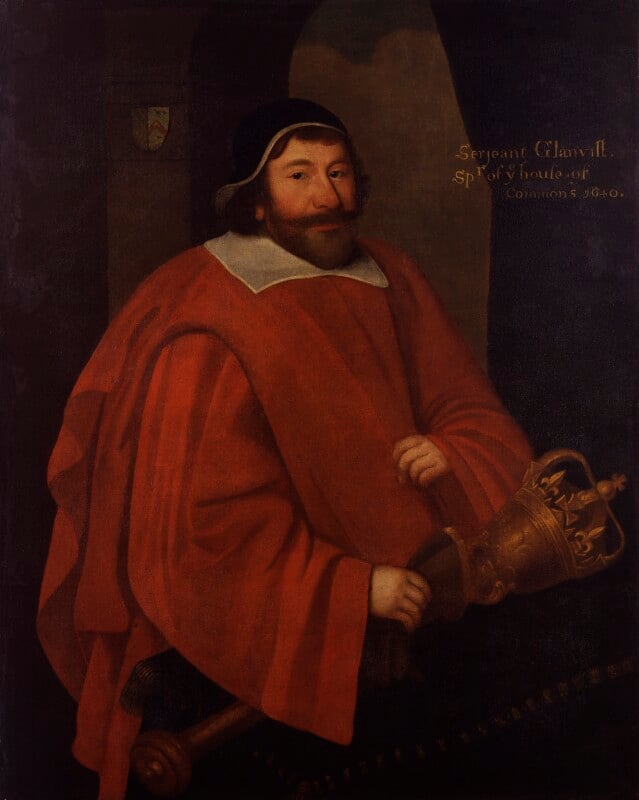
Sir John Glanville
1640
The Speaker selected for the Short Parliament, Glanville was an uncontroversial choice and received the blessing of Charles I. But he quickly showed clear support for the King’s opponents. After Parliament was dissolved Glanville was questioned by the royal officials, and may have been arrested for a time.
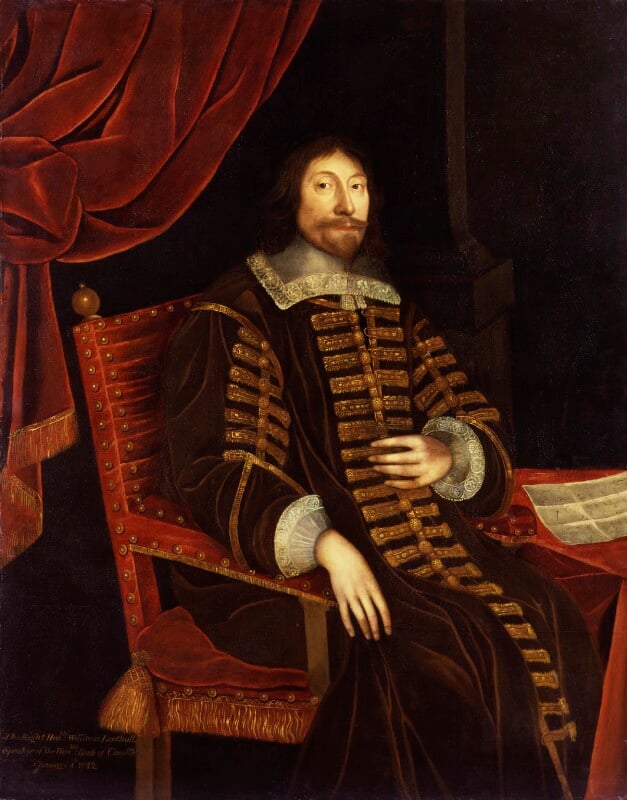
William Lenthall
1640-1653 / 1654-1655 / 1659-1660
The most famous Speaker of the period, Lenthall was known for his skills in keeping order. Famously, Lenthall stood up to Charles I when he tried to arrest the Five Members. This marked a significant shift in the loyalties of the Speaker, away from the Monarch.
Find out more about the attempted arrest of the Five Members here
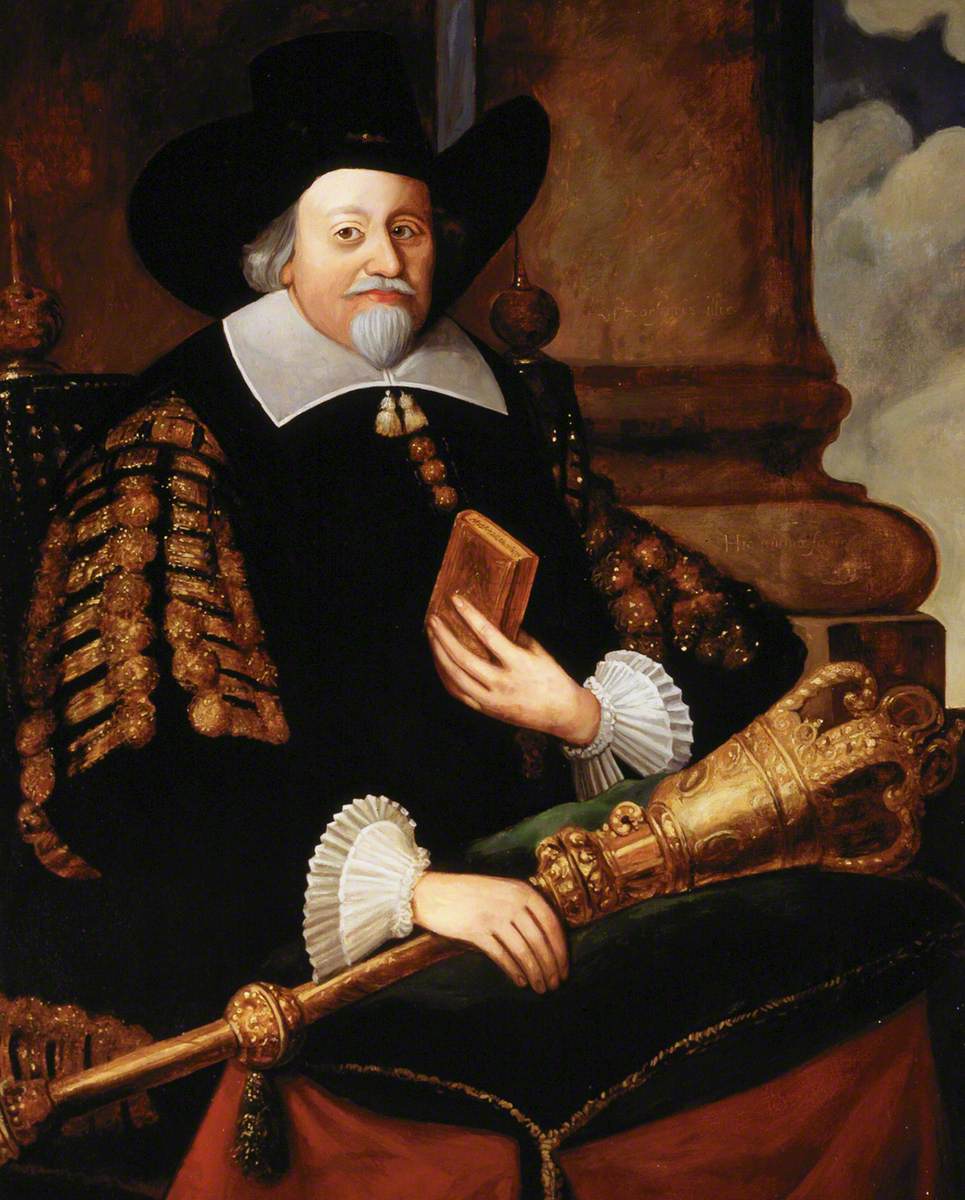
Francis Rous
1653
Speaker of the Nominated Assembly (or Barebone’s Parliament), Rous was an unusual choice in that he was famous not as a lawyer but as a Puritan theologian and writer. His tenure was also unusual because he was elected only for a month at a time.
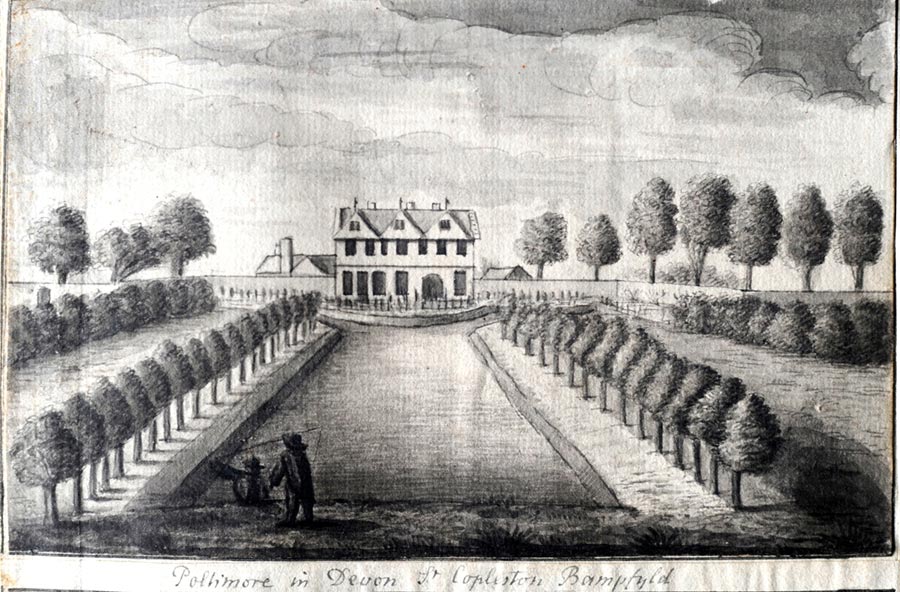
Thomas Bampfylde
1659
In Richard Cromwell’s only Parliament, Bampfylde found himself unexpectedly in the chair. Aged just 36, he found it difficult to control the Commons and his inexperience may have contributed to the session falling into chaos. His tenure is an example of the importance of the Speaker in allowing the Commons to function.
House of Lords
In this period, the role of Lord Speaker was carried out by the Lord Keeper of the Great Seal. However, when the Lord Keeper, Edward Littleton, 1st Baron Lyttleton, sided with the King in 1642, the Lords elected their own Speaker. As the House was self-regulating, this role was largely ceremonial. He did not have the power to rule on points of order or control the debate, unlike the Speaker of the House of Commons.
The House of Lords was abolished in March 1649 by an Act of Parliament. However, the nobility still displayed a level of authority in the country, including as military leaders. A new ‘Upper House’ was created in 1657, and the House of Lords was formally restored in 1660 as Parliament returned to pre-Civil War structures with the Restoration of the Monarchy.
Georgian Period
House of Commons
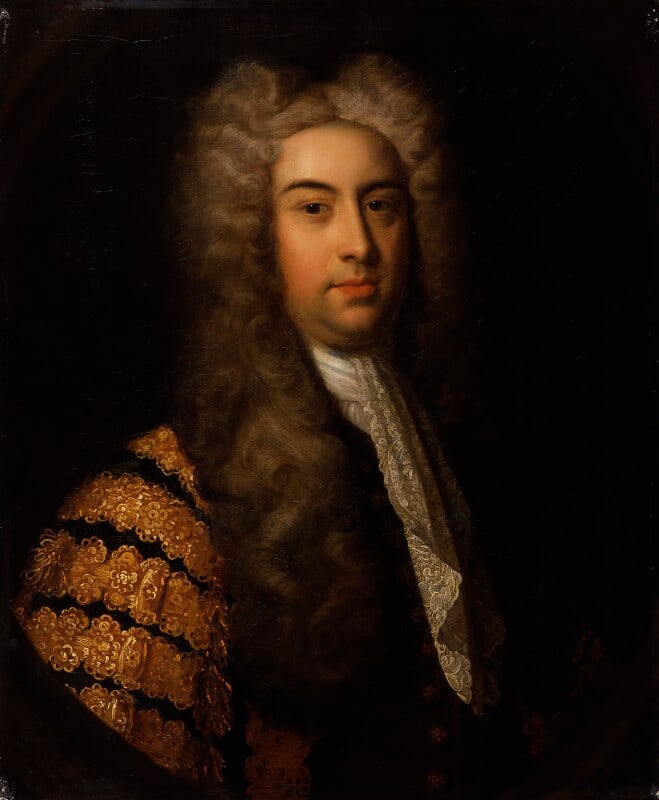
By the 18th century, the selection of Commons Speakers was highly political. The Court was often very active in ensuring its preferred candidate was selected, but as the Speaker was still elected by Members, candidates also needed to woo backbenchers to ensure broad support in the chamber.
The position of Speaker could therefore act as an important political stepping-stone. Sir Spencer Compton (then earl of Wilmington), became Britain’s second Prime Minister in 1742 after serving as Speaker from 1715-27. Two speakers, William Wyndham Grenville (Lord Grenville) and Henry Addington, also went on to become Prime Minister in the early 19th century.
The Georgian MP Arthur Onslow holds the record as the longest sitting Speaker of the House, serving for 33 consecutive years, from 1728 to 1761. Onslow gained a reputation for being honest and removed from the perceived corruption in government, and is credited with the role shifting away from the Court’s influence.
House of Lords
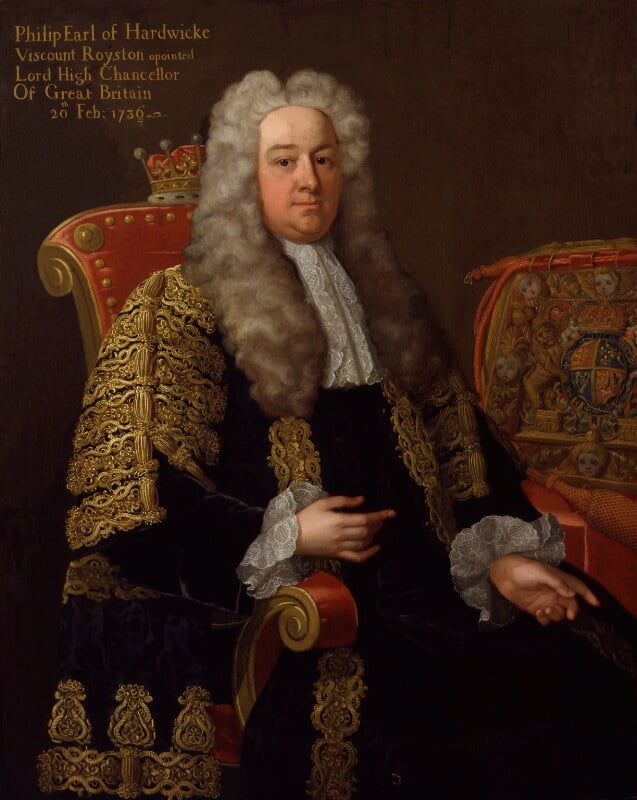
As in earlier periods, the role of presiding officer in the Lords in the Georgian period was normally undertaken by the Lord Chancellor.
Some Lord Chancellors held the role for a considerable time. The longest serving in the 18th century was Philip Yorke, Lord Hardwicke, who held the post from 1737 until 1756.
In situations where there was no Lord Chancellor, the role was usually undertaken by the Lord Keeper. For example, Sir William Cowper officiated as Lord Keeper from 1705 to 1707, when he was promoted to Lord Chancellor.
Victorian, Edwardian & Interwar Period
House of Commons
Between 1801 and the end of the 19th century, nine different MPs served as Speaker. By this period, the Speaker was expected to put his previous party loyalties aside and become impartial when he took office.
In another new development, for certain debates (such as those on the budget) the Speaker was replaced by the Chairman of Ways and Means. And from 1853, they could also take the chair when the Speaker was absent due to illness. The 1855 Deputy Speaker Act formalised this role.
As in the past, the Speaker did not take part in votes unless to resolve a tie. This only happened a few times during the 19th century. One notable example came in June 1861 when Speaker John Evelyn Denison was required to vote on a bill to abolish church rates. Despite previously voting in favour when he was just an MP, now when voting as Speaker, Denison voted against it.
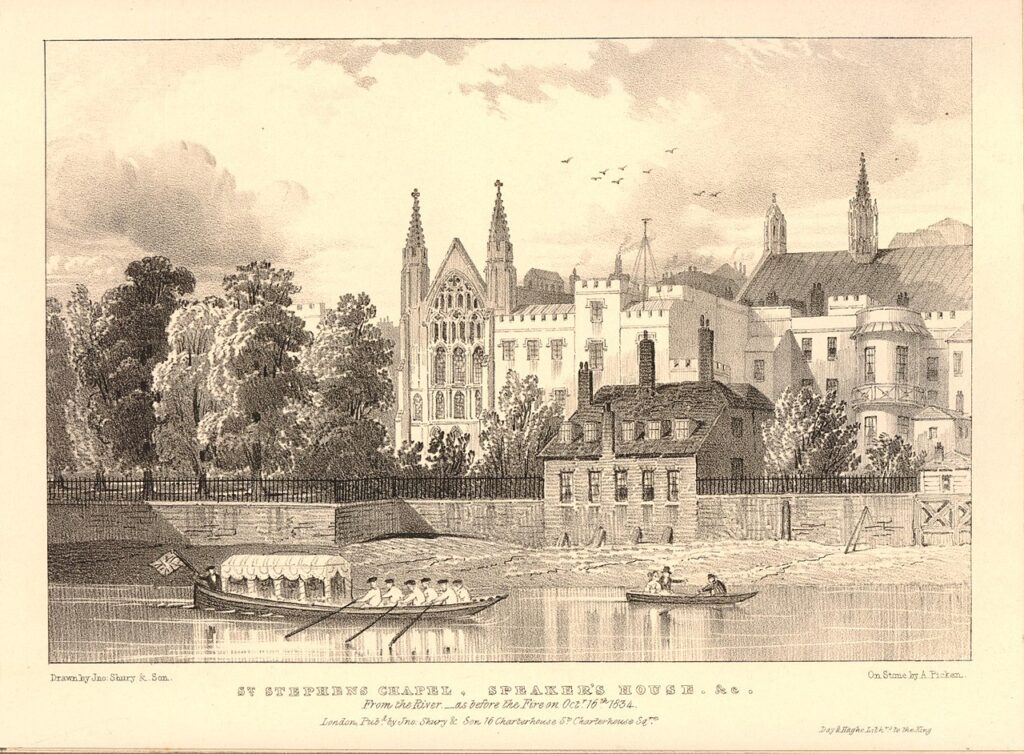
St Stephens Chapel, Speaker’s House; Andrew Picken (1834); © The Trustees of the British Museum, CC BY-NC-SA 4.0
In 1867 Denison developed rules for how the Speaker should give his casting vote, which remain in place today. Now convention states that if required to vote in a tie, the Speaker should vote to keep the status quo and against any legislation change, encouraging the House to go back to debating the issue.
From 1794 the Speaker lived on site at Westminster. After the fire of October 1834 destroyed much of the old Palace of Westminster, Charles Barry and Augustus Pugin designed a grand Speaker’s House as part of their plan for the new Palace of Westminster. The Speaker received an annual salary of £6,000 until 1834, when it was reduced to £5,000. A tradition also began in this period where Speakers received a peerage to reward their work once they ceased to be Speaker.
As before, MPs elected the Speaker at the start of each new Parliament or when the previous Speaker retired. It became usual for the existing Speaker to be re-elected, but there was sometimes opposition from a rival party candidate. Charles Manners Sutton, the Speaker since 1817, easily won the 1833 Speakership election but in 1835 lost to James Abercromby, the first Speaker to come from Scotland. His successor Charles Shaw-Lefevre served for almost 18 years, which was the second longest Speakership ever.
The longest serving Speaker of the 20th century (1905-21) was James William Lowther, who had already served as Deputy Speaker for a decade. Lowther once said that there were three golden rules for MPs giving speeches in the Commons: ‘Stand up. Speak up. Shut up’.
A key issue debated during Lowther’s Speakership was votes for women. He was unhappy about the disruptive activities of suffragettes in the Palace of Westminster. In 1913 he made a controversial ruling that women’s suffrage could not be added to a bill on the male franchise, but he was praised for his role in chairing the 1916-17 Speaker’s Conference on Electoral Reform. Its recommendations, which included votes for some women, provided the basis for the 1918 Representation of the People Act.
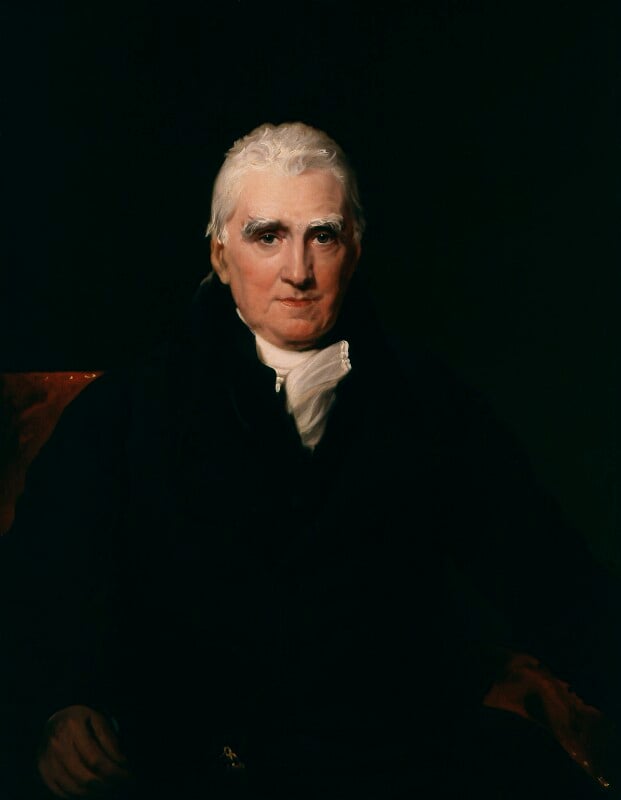
John Scott, 1st Earl of Eldon; Sir Thomas Lawrence (c.1828); © National Portrait Gallery, London; CC BY-NC-ND 3.0
House of Lords
Much like before, in the 19th and early 20th centuries the role of Speaker in the Lords was performed by the Lord Chancellor. When the Lord Chancellor was absent on legal business, Deputy Speakers could stand in for him.
Unlike in the Commons, the Speaker in the Lords did not choose which members of the House should speak: the Lords decided this among themselves or for important debates a list of speakers was agreed in advance. If the Lord Chancellor wanted to speak in a debate himself, he left his place on the Woolsack.
The Lord Chancellor changed when a new government came to power. It was, however, common for Lord Chancellors to be re-appointed when their party returned. There were two notably long-serving Lord Chancellors in the 19th century: Lord Eldon (1801-6, 1807-27) and Lord Halsbury (1885-6, 1886-92, 1895-1905).
Post-War Period
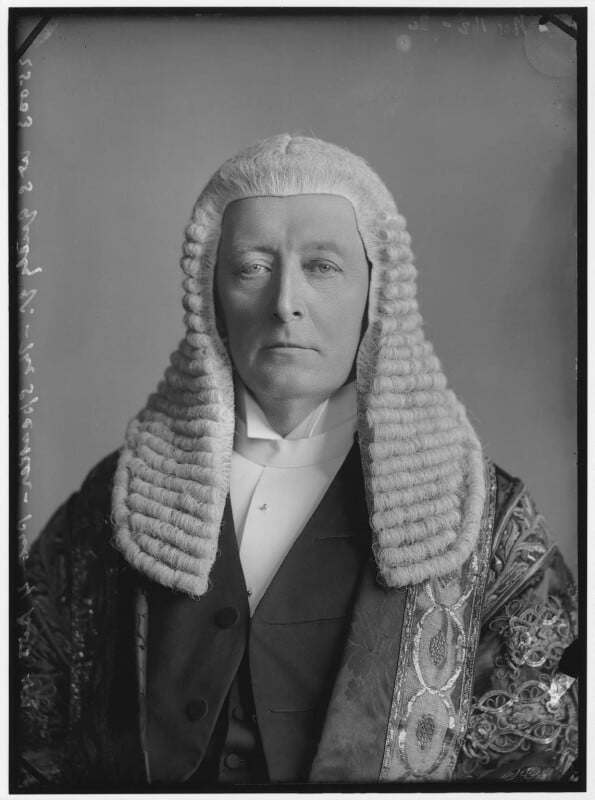
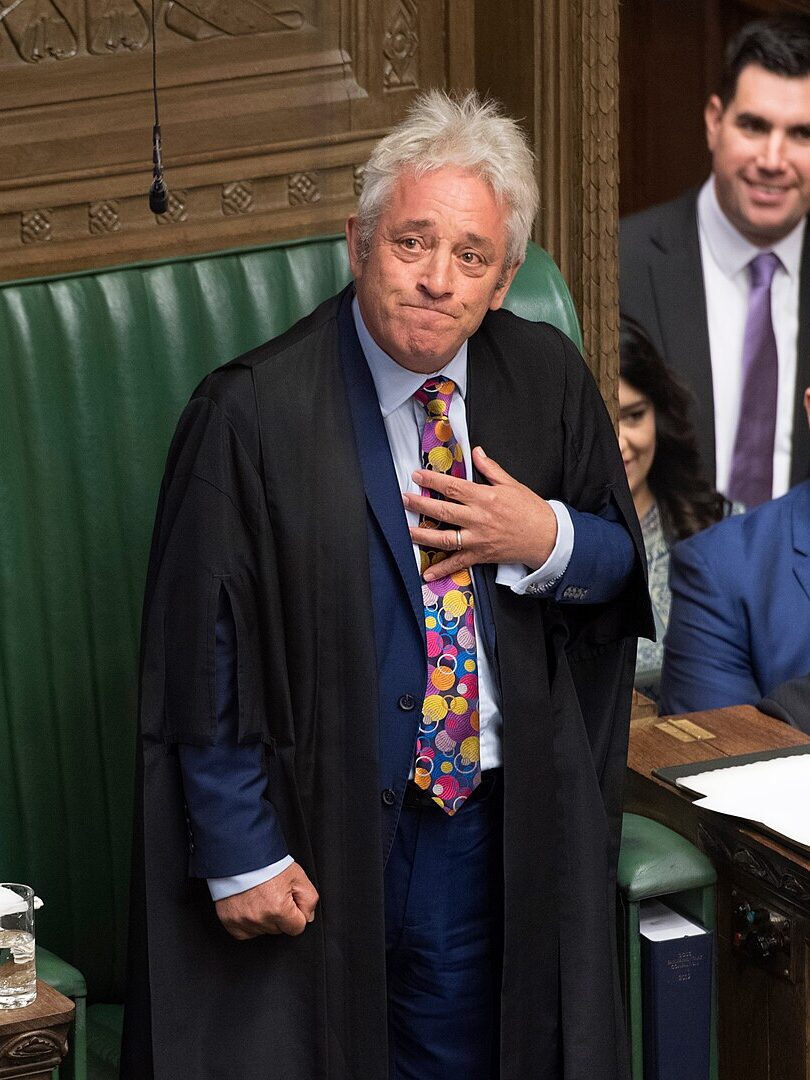
The modern Speaker is still required to keep order in the House, enforcing parliamentary rules and controlling debate.
The position of Lord Speaker was introduced in 2006, replacing the Lord Chancellor. Nine candidates stood in the first election, which was won by Helene, Baroness Hayman.
The Speaker of the House of Commons has ‘absolute discretion’ over what is discussed in the House, for example, allowing MPs to ask urgent questions or deciding which amendments to bills should be considered. This can, however, be controversial. During the Speakership of Michael Martin, he initially refused, and then allowed, a debate on whether Britain should take part in the invasion of Iraq, sparking disagreements over parliamentary precedent and procedure. Similarly, John Bercow broke convention during various votes on the government’s proposed Brexit deals during his Speakership, leading to accusations of not being impartial.
The Speaker or Deputy Speaker still retains the casting vote in case of a tie, in line with the convention developed by Speaker Denison in the Victorian period. The Speaker decides if the House is recalled, and this right was strengthened in the 2000s.
The Speaker still acts as the spokesperson for the Commons, performing tasks such as welcoming foreign leaders. In recent times Speakers have been seen as champions of Parliament’s interest versus government, insisting that government policy should be revealed first to the Commons, not journalists, or supporting the right of backbenchers to put motions.
The Speaker remains independent of party affiliation, and is normally unopposed by the major parties when they stand as an MP at general elections. However, they are still expected to carry out constituency duties. They receive the same salary as a cabinet member. They are assisted in the Speaker’s duties by the Chair of Ways and Means and two further deputies; the second having been introduced in 1971. Since 1945, Speakers have included both former ministers (such as Selwyn Lloyd, former Chancellor of the Exchequer and Foreign Secretary) and backbenchers (Michael Martin). Betty Boothroyd became the first female Speaker of the House of Commons in 1992. Upon her election, the Commons broke out into spontaneous applause (something not usually allowed in the Chamber). Until recently, the Speaker wore traditional formal dress in the chair. This included a court coat and barrister’s bands, and a gown and wig. However, since Boothroyd the wig has been abandoned. John Bercow chose to wear a less elaborate academic gown over a business suit when in the chair, although Sir Lindsay Hoyle readopted a more formal court dress.
Since the 1970s, the election to choose a Speaker within the House of Commons has been overseen by the Father or Mother of the House. Before 1992, contests were rare, with most Speakers being elected unopposed. In 2001 new rules were introduced: candidates for the role need nominations by 12 MPs, at least three of which must be from MPs of a different party from their own. The election is conducted by a series of secret ballots, eliminating those with the lowest votes each time.
Further Reading
‘Explainer: Speaker of the House of Commons’, Institute for Government, 10 January 2019.
‘The Role and Powers of the Speaker of the House of Commons’, Hansard Society, 13 December 2019.
Philip Salmon, ‘The Speaker and the Same Question’, History of Parliament, 21 March 2019.
Paul Seaward, ‘Qualifications for the Speakership’, Reformation to Referendum, 27 October 2019.