-
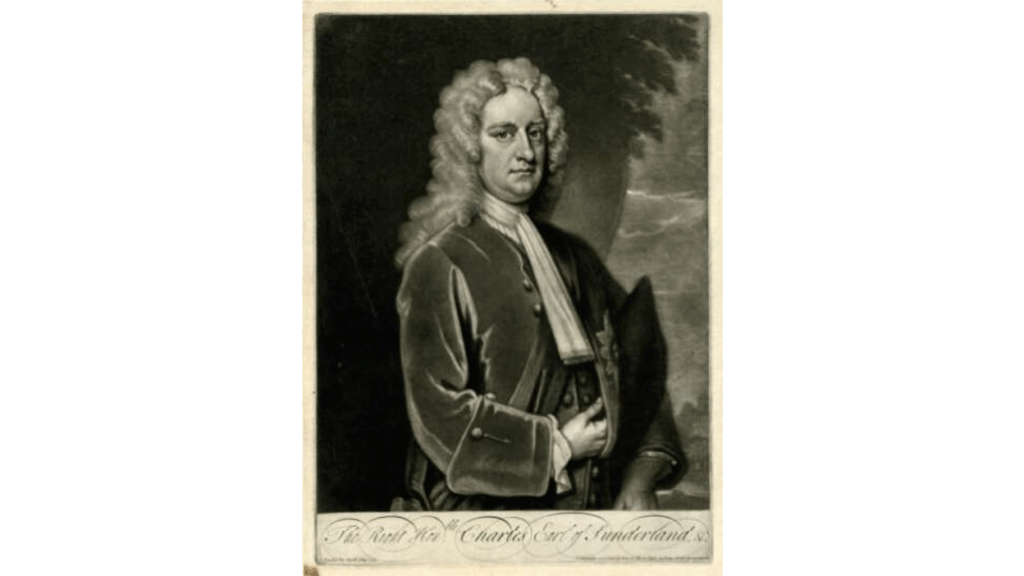
The true premier? Charles Spencer, 3rd earl of Sunderland
300 years ago, on 19 April 1722, Charles Spencer, 3rd earl of Sunderland, Walpole’s rival for the premiership, died following…
-
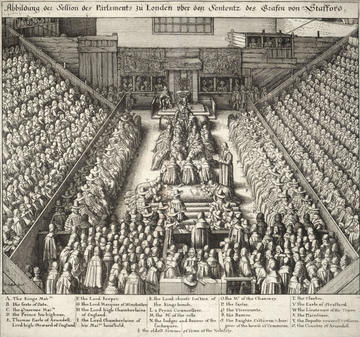
The English Revolution and the History of Majority Rule
In our latest blog we’re returning to the ‘Recovering Europe’s Parliamentary Culture, 1500-1700’ project. Since autumn 2021, we have been working with the University…
-
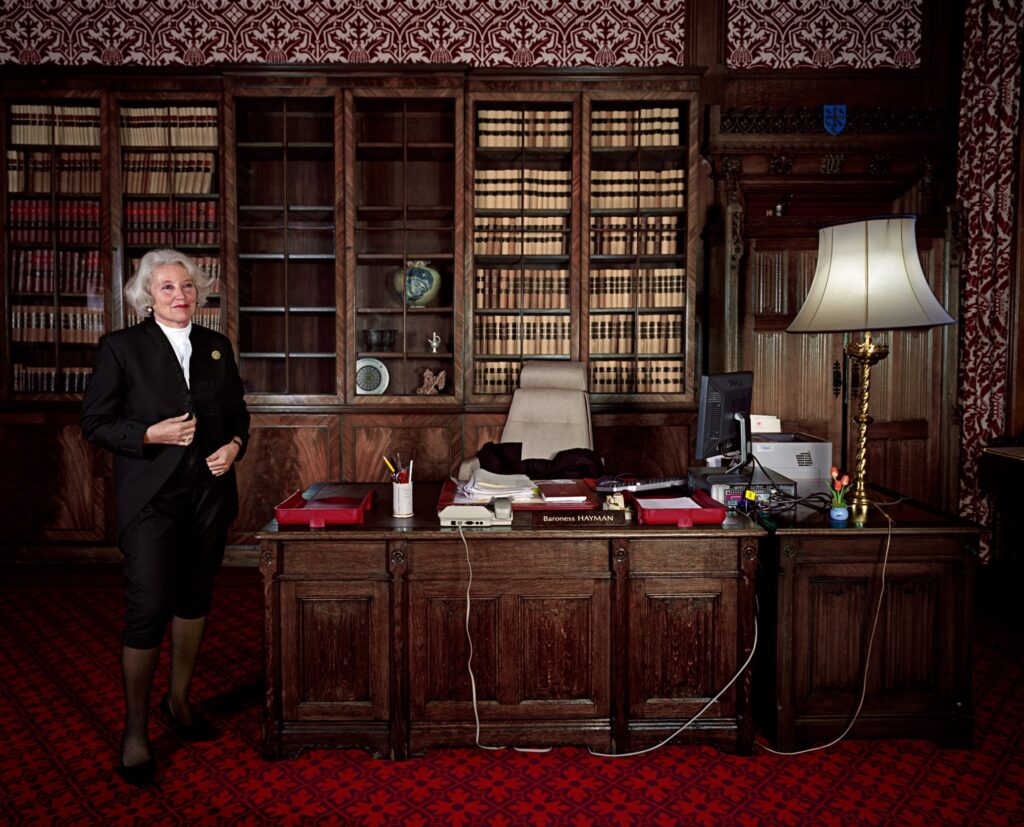
Women Speakers and Deputy Speakers
As we have seen in some of our previous blogs, the role of Speaker of the House has a long…
-
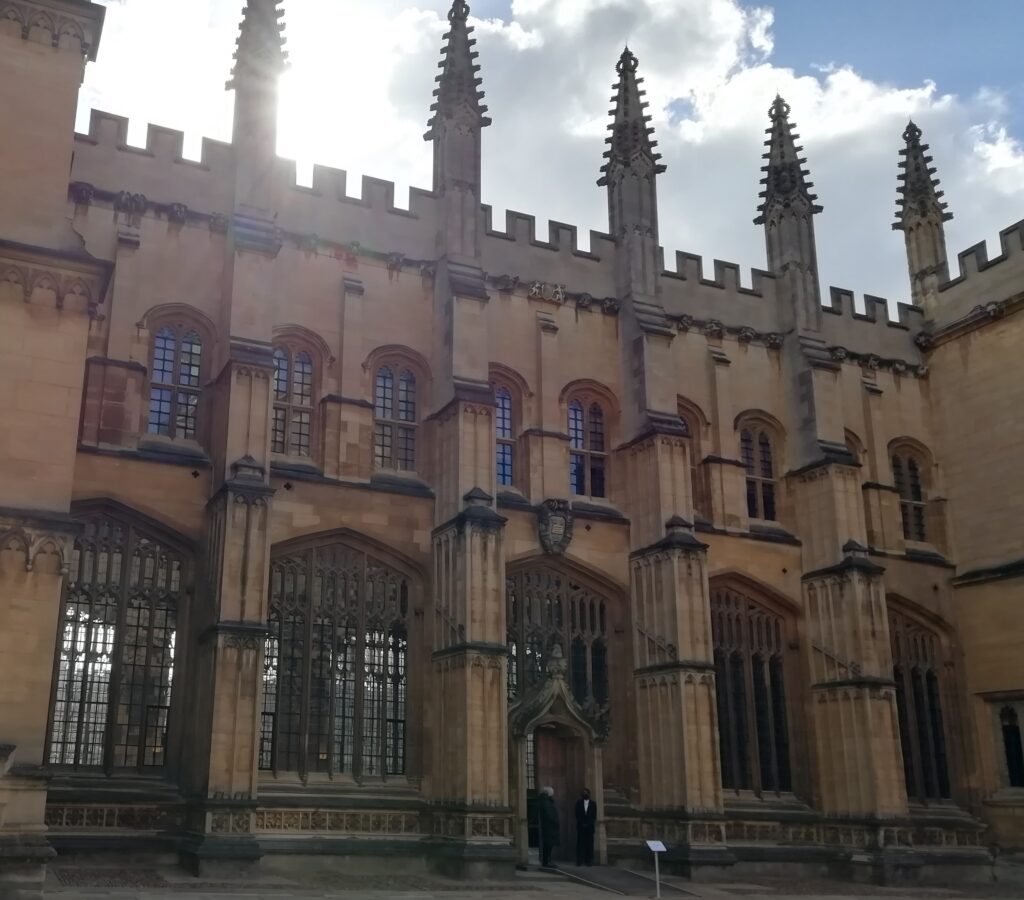
Sitting at Oxford: the convening of Charles I’s ‘Mongrel Parliament’, January 1644
Throughout its history, Parliament has been no stranger to meeting in Oxford. Dr Vivienne Larminie, editor of our Commons 1640-1660,…
-

Comings and goings: the other houses of Downing Street
Previously on the History of Parliament blog we looked into the history of No.10 Downing Street, the famous residence of…
-
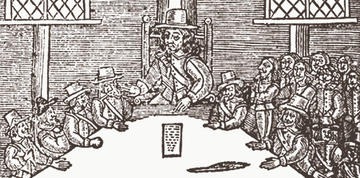
After the Levellers: On the Non-Mysterious Disappearance of Parliamentary Reform in England
In our latest blog we’re returning to the ‘Recovering Europe’s Parliamentary Culture, 1500-1700’ project. Since late September, we’ve been working with the University of…
-
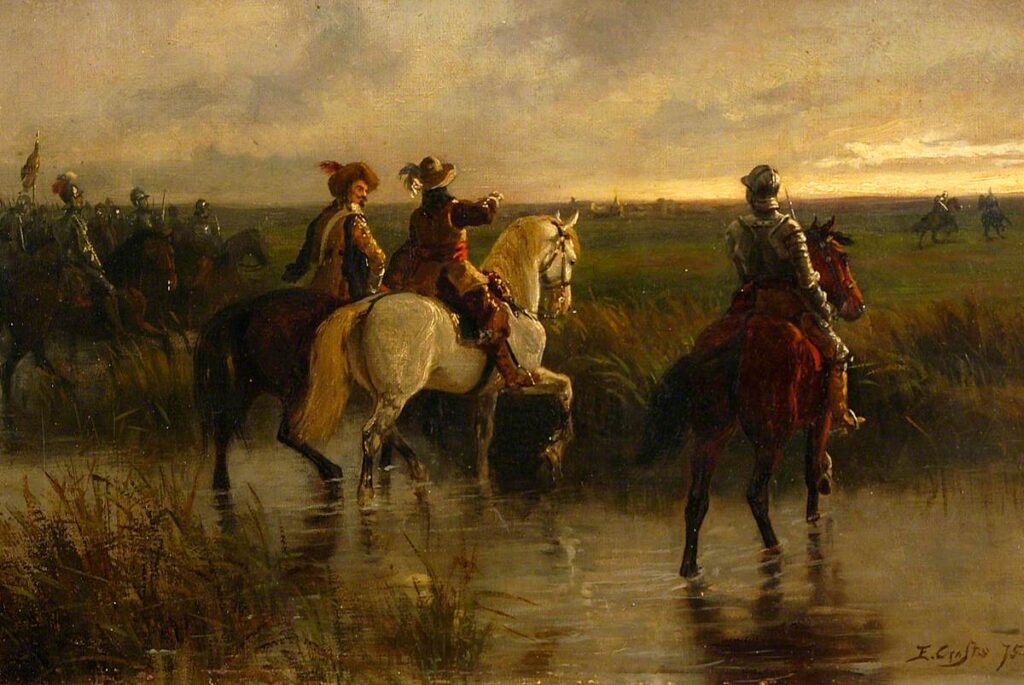
Lies, stories, misinformation and collective memory: extracting vipers and unmasking cavaliers in the 1659 Parliament
‘Fake news’ might seem like a modern concept, but there’s nothing new about attempts to disguise, misrepresent or reinvent the…
-
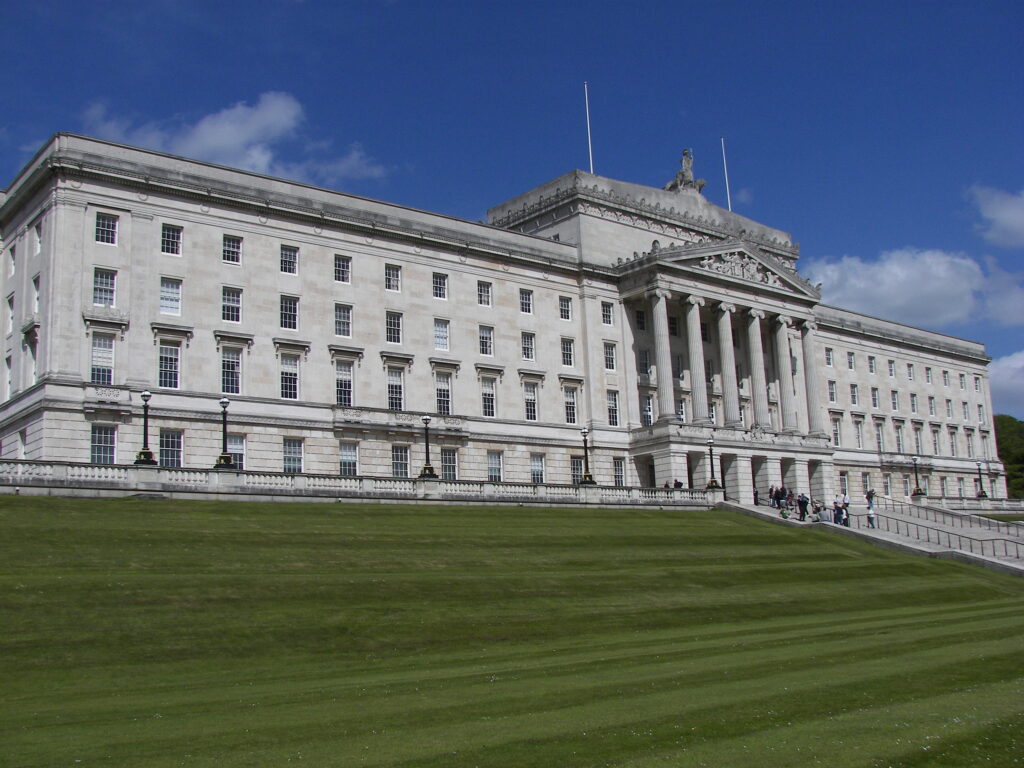
The office of Governor as the Crown’s representative, symbolising `the permanence both of the authority of the Northern Ireland Government and the union with Great Britain’, 1921-1973
Ahead of next Tuesday’s Virtual IHR Parliaments, Politics and People seminar, we hear from Dr Donal Lowry of the University…
-

March 1672: The Declaration of Indulgence
In March 1672 Charles II issued a document to remove harsh sanctions against religious non-conformity. But what brought about this…
-
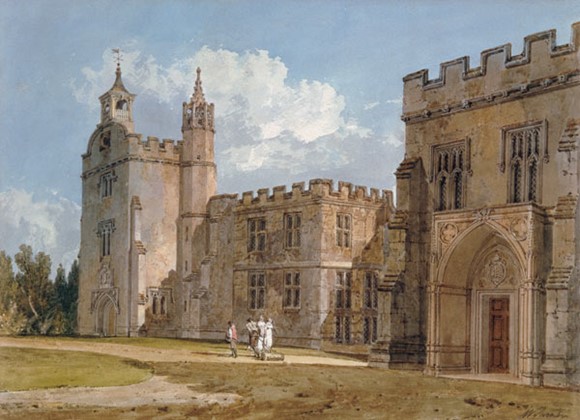
‘Am I not your uncle?’: John of Gaunt, the murder of Friar Latimer and the Salisbury Parliament of 1384
Recently on the History of Parliament blog we have been looking into some of the occasions when Parliament met away…
-

Female Dukes
In the latest post for the Georgian Lords, Dr Stuart Handley considers the cases of peerages held by women in…
-
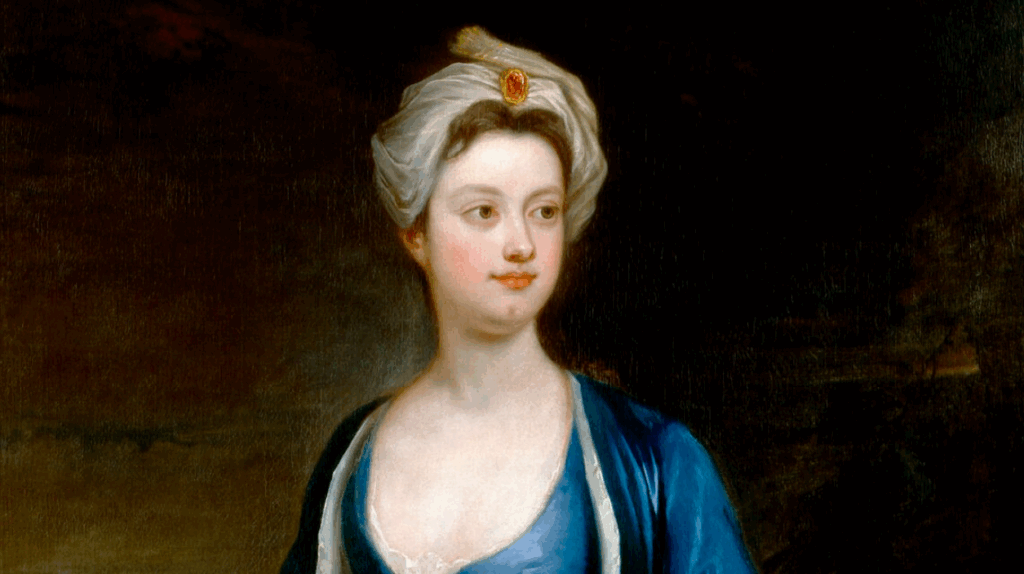
Portraits, patrons, and political networks in late Stuart and early Georgian England
Ahead of next Tuesday’s Virtual IHR Parliaments, Politics and People seminar, we hear from Amy Lim of St Hilda’s College,…