-

William Herbert, 3rd earl of Pembroke: the ‘nearly man’ of early Stuart politics
As we wait to hear who has triumphed in the latest contest to become prime minister, Dr Paul Hunneyball of…
-

‘Robin the trickster’ versus ‘Stiff Dick’: the election of Robert Harley as Speaker of the Commons in 1701
In the latest in our series discussing some of the notable figures to occupy the role of Speaker of the…
-

A Speakership that never was: Sir Thomas Hungerford and the Parliament of 1378
Throughout 2022 we have been looking into the careers of some of the people to occupy the role of Speaker-…
-

“From wickedness or from weakness”: the beginning of the end for Sir Robert Walpole
During July we welcomed year 12 student Thomas O’Donoghue to the History of Parliament office, to carry out a work…
-
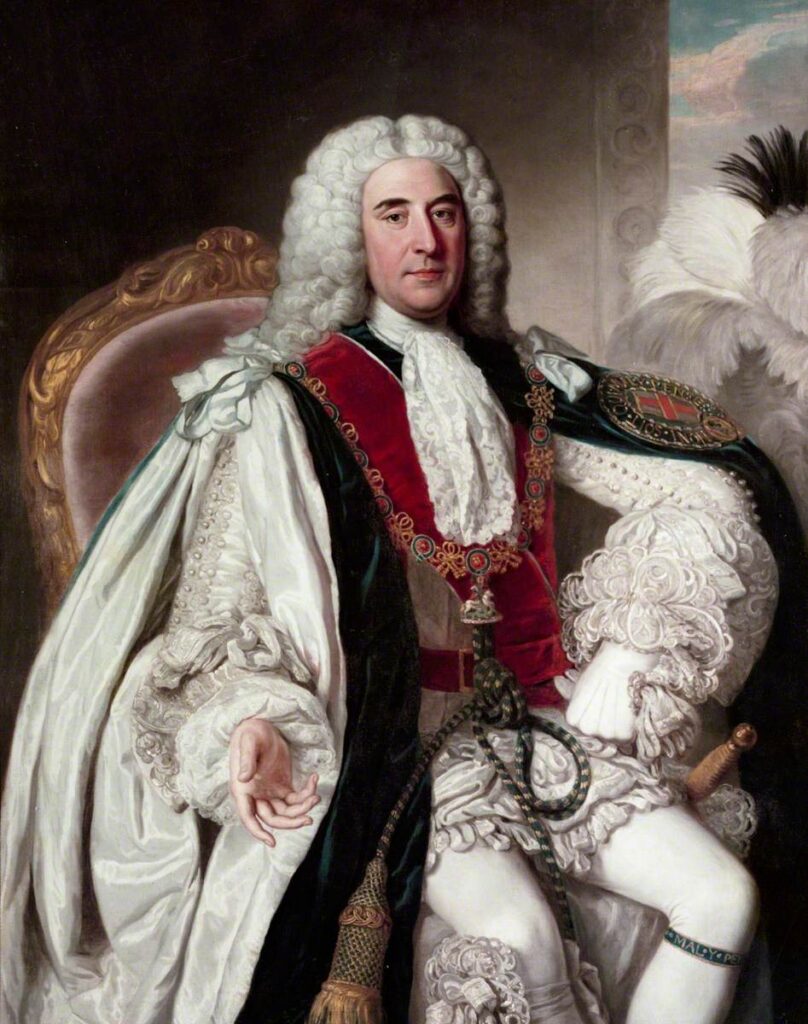
‘A frenzy of quitting’: the art of resigning in the 18th century
In the latest blog for the Georgian Lords, Dr Charles Littleton considers two episodes in the mid-18th century when governments…
-
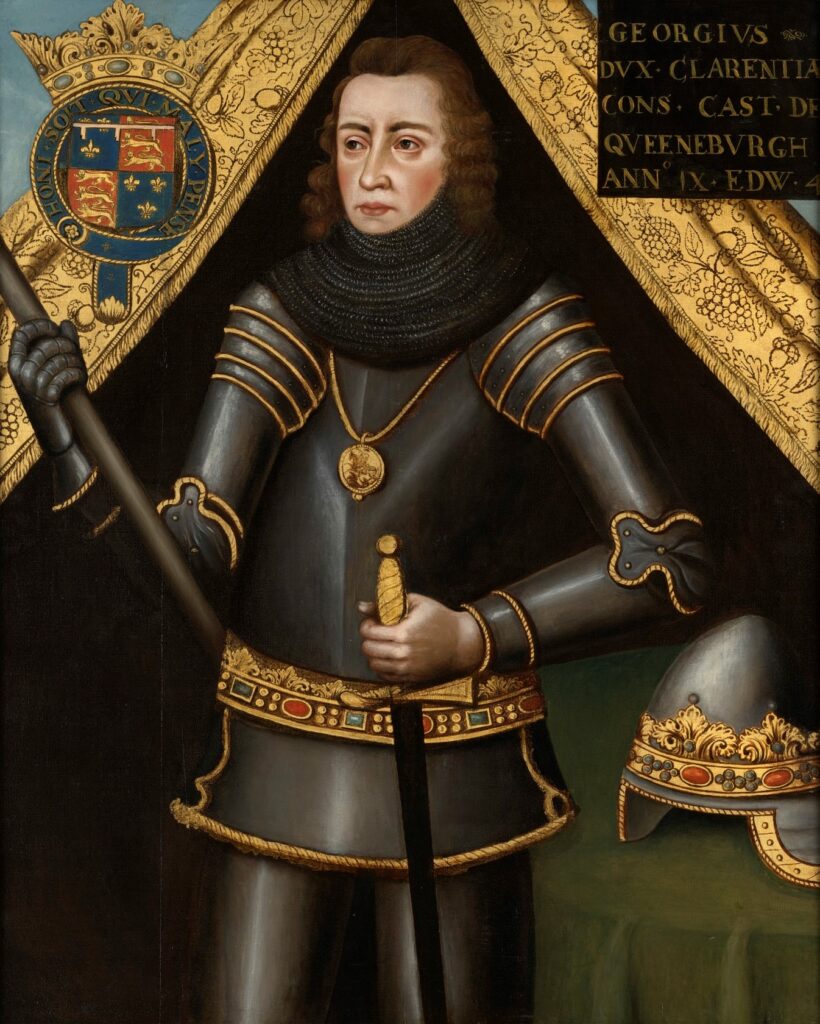
Thomas Burdet of Arrow, MP for Warwickshire in 1455, and the execution of George, duke of Clarence
The execution of Thomas Burdet has long been linked to that of George, duke of Clarence a few months later.…
-

Funding the defence of the realm (or not…)
As questions of defence spending continue to be discussed in the chambers of Westminster, here Dr Hannes Kleineke, editor of…
-

The world of parliament extends beyond the Commons and Lords: Michael Morris, Lord Naseby
Since 2012 our team of volunteers have been interviewing former MPs about their lives and careers for the History of…
-

A month in politics: the fall of Protector Richard Cromwell, 1659
As we ponder the abrupt end to Boris Johnson’s premiership, Dr Vivienne Larminie of our Commons 1640-60 section offers a…
-
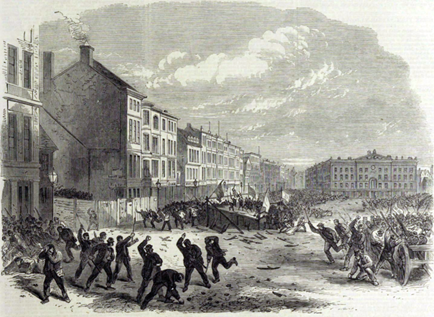
The Secret Ballot: The Secret to Reducing Electoral Violence?
In July 1872, 150 years ago this month, the Ballot Act introduced the secret ballot to all UK parliamentary and…
-

Ballot boxes, bills and unions: Harriet Grote (1792-1878) and the public campaign for the ballot, 1832-9
In part six of his article series on Harriet Grote, Dr Martin Spychal, research fellow in our House of Commons…
-

To attend or not to attend: state trials during an outbreak of smallpox
In the latest blog for the Georgian Lords, Dr Robin Eagles considers the dilemma facing some peers summoned to attend…