-
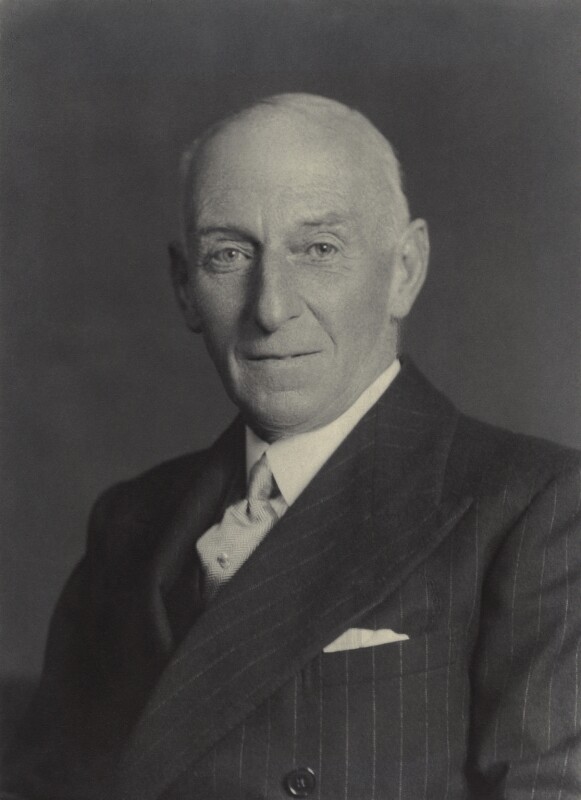
From Windsor to Westminster: the People of St. George’s Chapel, Windsor, in Parliament in the later Middle Ages and beyond
In October, Dr Hannes Kleineke, editor of our Commons 1461-1504 project, delivered the ‘Maurice and Shelagh Bond Memorial Lecture’ at…
-

The search for good governance: David Hunt
As the History of Parliament Oral History Project continues to go from strength to strength following a two-year hiatus, here…
-
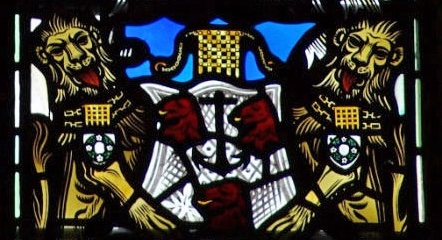
Heraldry, Pomp and Power: The Use of Parliamentary Symbols on Coats of Arms, c.1527-2006
Ahead of next Tuesday’s hybrid Parliaments, Politics and People seminar, we hear from Dr Duncan Sutherland. On 15 November, between 5.30…
-
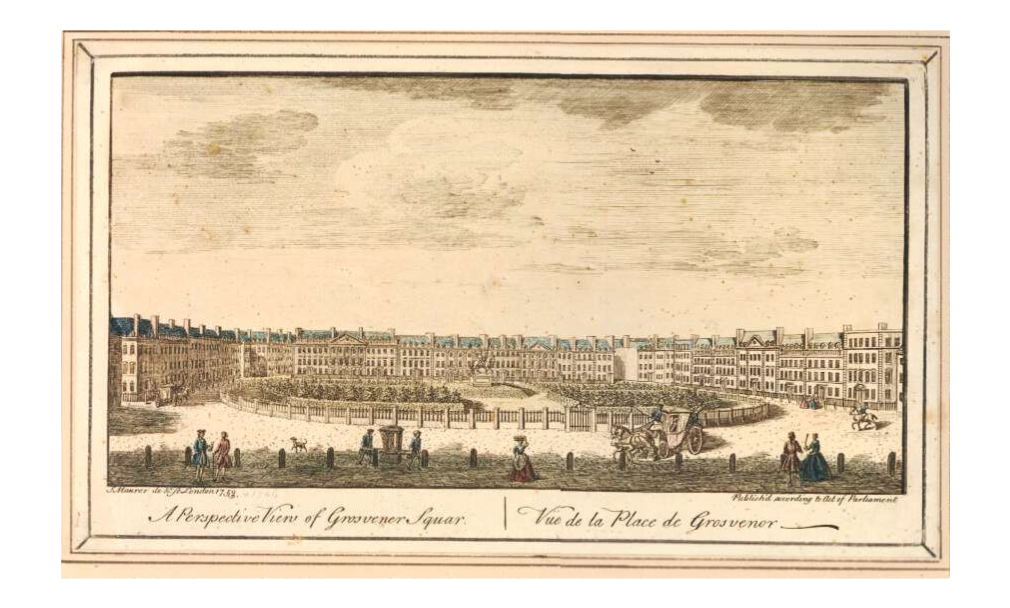
“contagion lies in a wainscot”: the tragic history of the dukes of Bolton & 37, Grosvenor Square
In the latest blog for the Georgian Lords, Dr Robin Eagles considers the tragic history of the family of the…
-
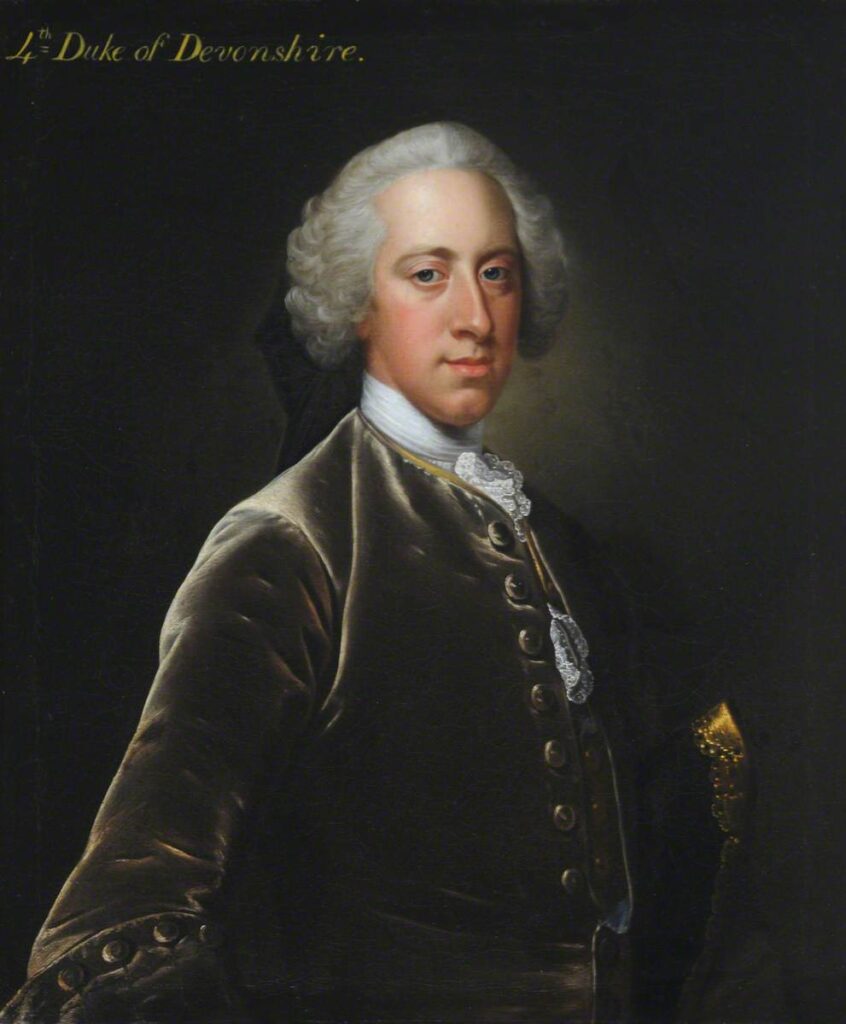
‘A very disagreeable situation’: the brief premiership of William Cavendish, 4th duke of Devonshire
Following Liz Truss’s record-breaking short tenure as Prime Minister, recently much attention has turned towards some of the historical figures…
-
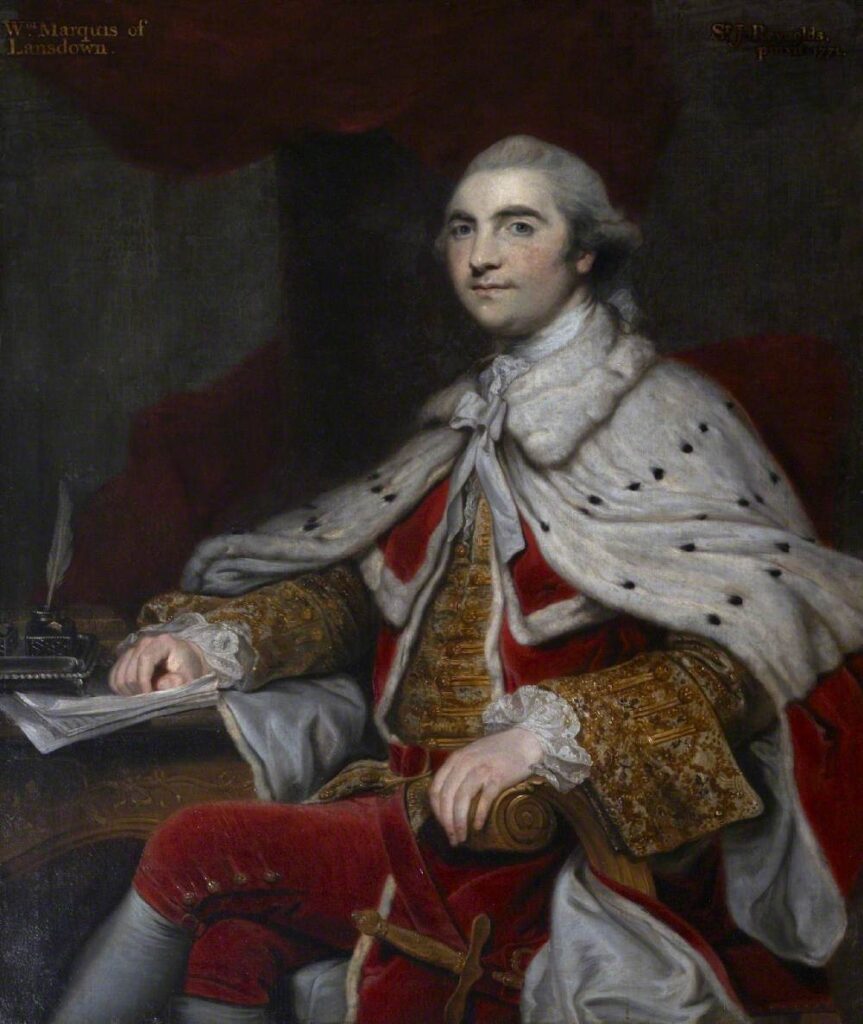
‘A hotch-potch ministry’ – the brief but tempestuous premiership of the 2nd earl of Shelburne
Following the resignation of Liz Truss after 44 days in office, attention has turned to some of the previous figures…
-
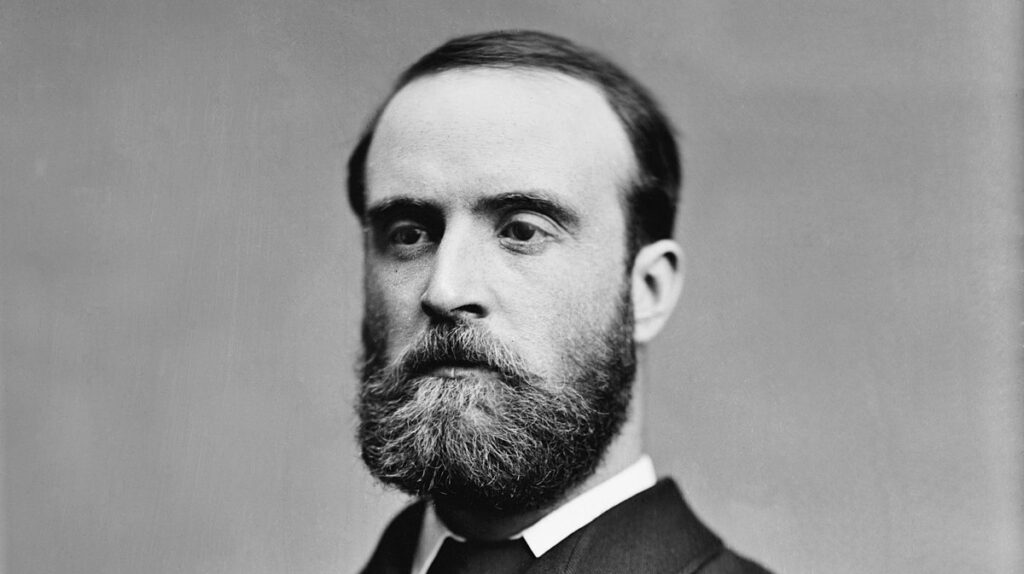
Claiming the parliamentary tradition? The legacy of the Irish home rule party and Anglo-Irish relations in the 1930s
Our Parliaments, Politics and People seminar is back for the autumn term! At next week’s seminar Dr Martin O’Donoghue of the University…
-
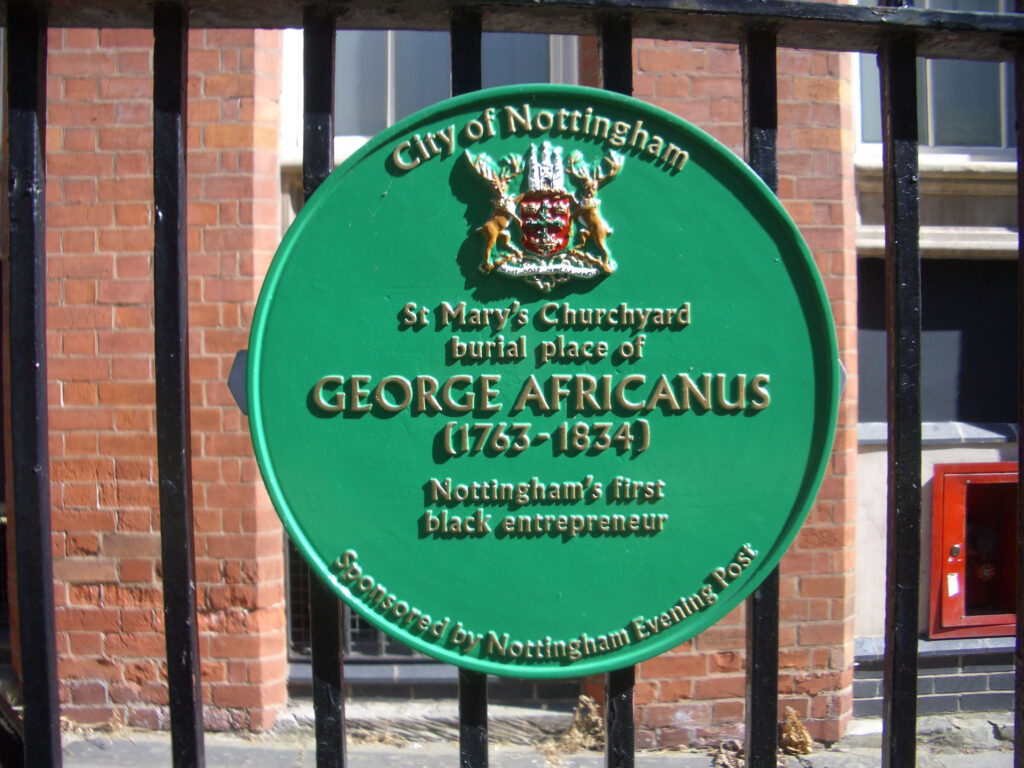
Profile of an 18th century Black Voter: George John Scipio Africanus
In a second blog for this year’s Black History Month, we are once again hearing from Helen Wilson, PhD candidate…
-
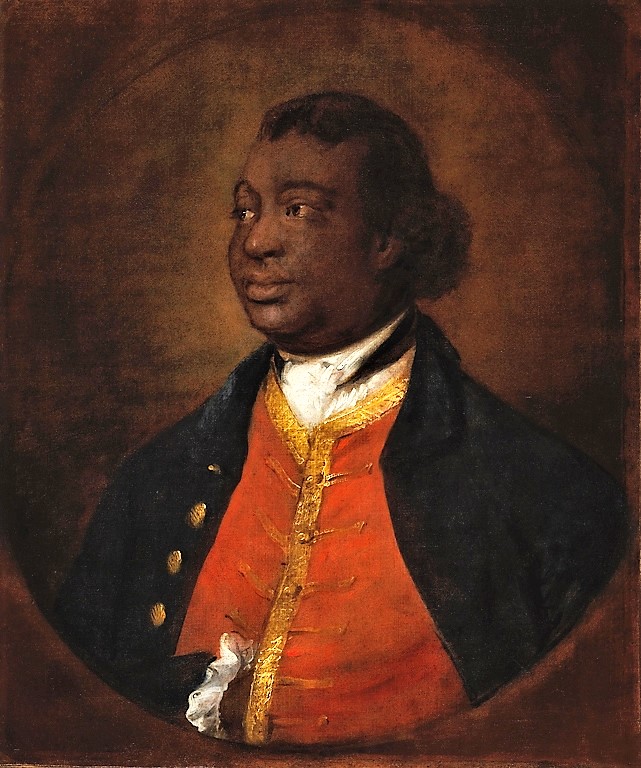
The Presence of Black Voters in the 18th and 19th Centuries
October is Black History Month in the UK, as institutions like the History of Parliament attempt to re-insert and highlight…
-

‘All men of Englond ar bounde for hym to pray’: The Funeral of King Edward IV, April 1483
Reports have suggested that as many as 35 million viewers in the UK tuned in to watch the funeral of…
-
Publication Announcement: ‘Big Ben: An Icon of Democracy and Leadership’
The History of Parliament are excited to announce the upcoming release of our newest publication in collaboration with St James’s…
-
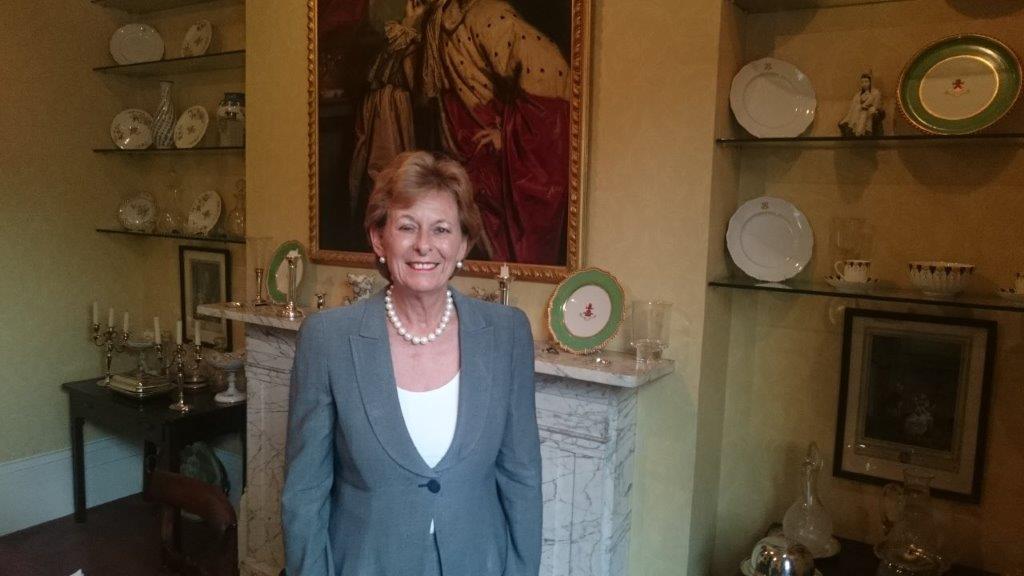
Parliaments, Politics and People seminar: ‘That was how politics started for me’: memories on motivations from the History of Parliament Trust’s Sound Archive
Our Parliaments, Politics and People seminar is back for the autumn term! At next week’s seminar our head of Oral…