
Women and Parliament
-
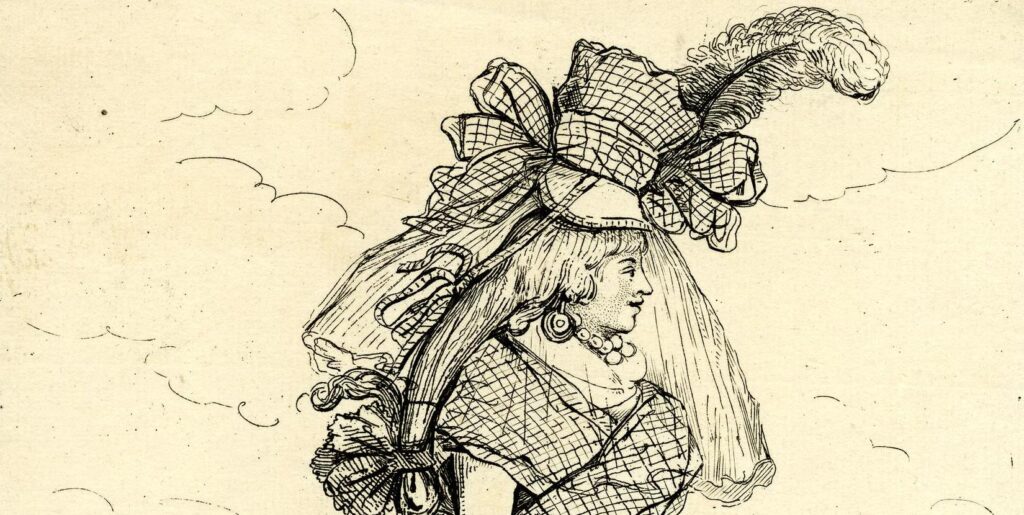
‘The Tartan Rage’: Fashion, High Society, and Scottish Identity in Eighteenth-Century London
At the IHR Parliaments, Politics and People seminar on Tuesday 25 November, Dr Natalee Garrett of The Open University, will…
-
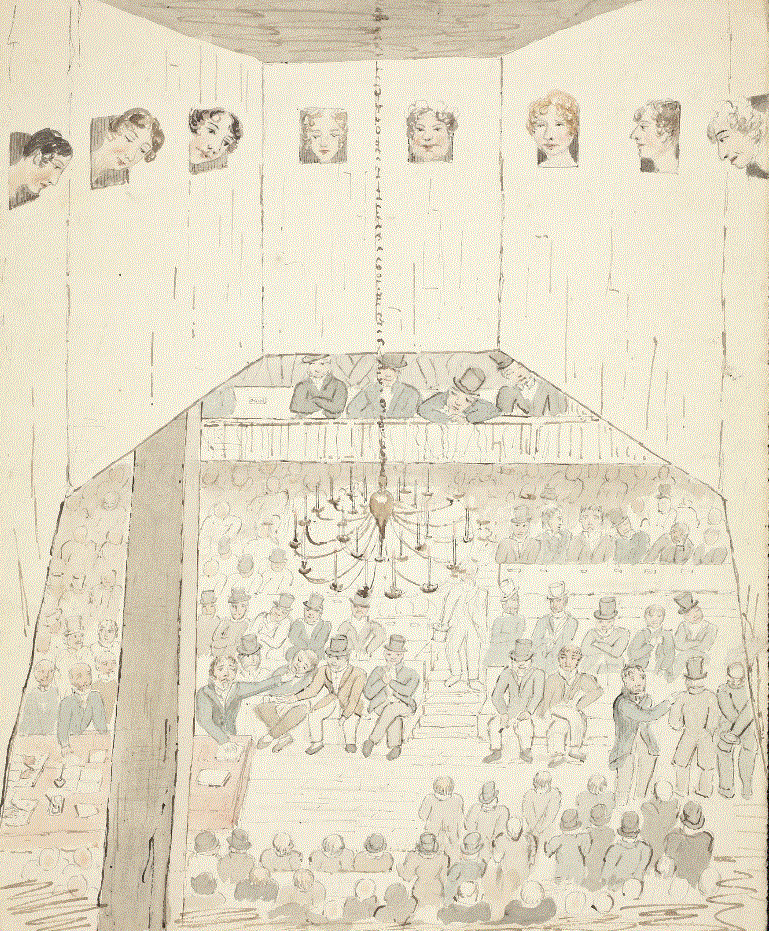
The ladies’ gallery in the temporary House of Commons
This article from Dr Kathryn Rix, Assistant Editor of our House of Commons, 1832-1945 section, looks at the provision made for…
-
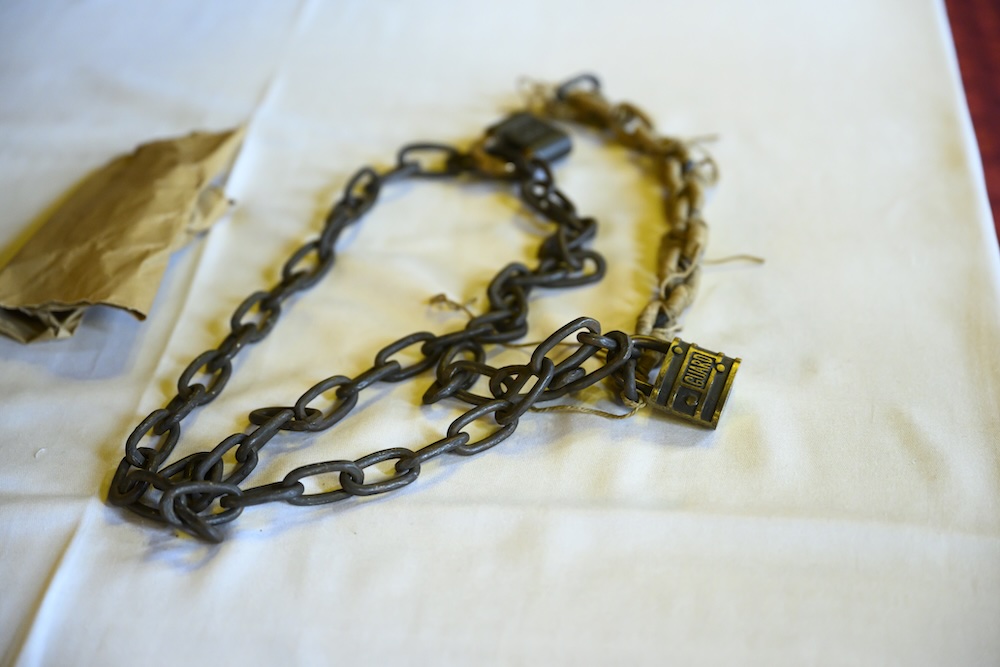
The Speakers and the Suffragettes
At the IHR Parliaments, Politics and People seminar on Tuesday 28 October, Dr Mari Takayanagi will be discussing ‘The Speakers…
-
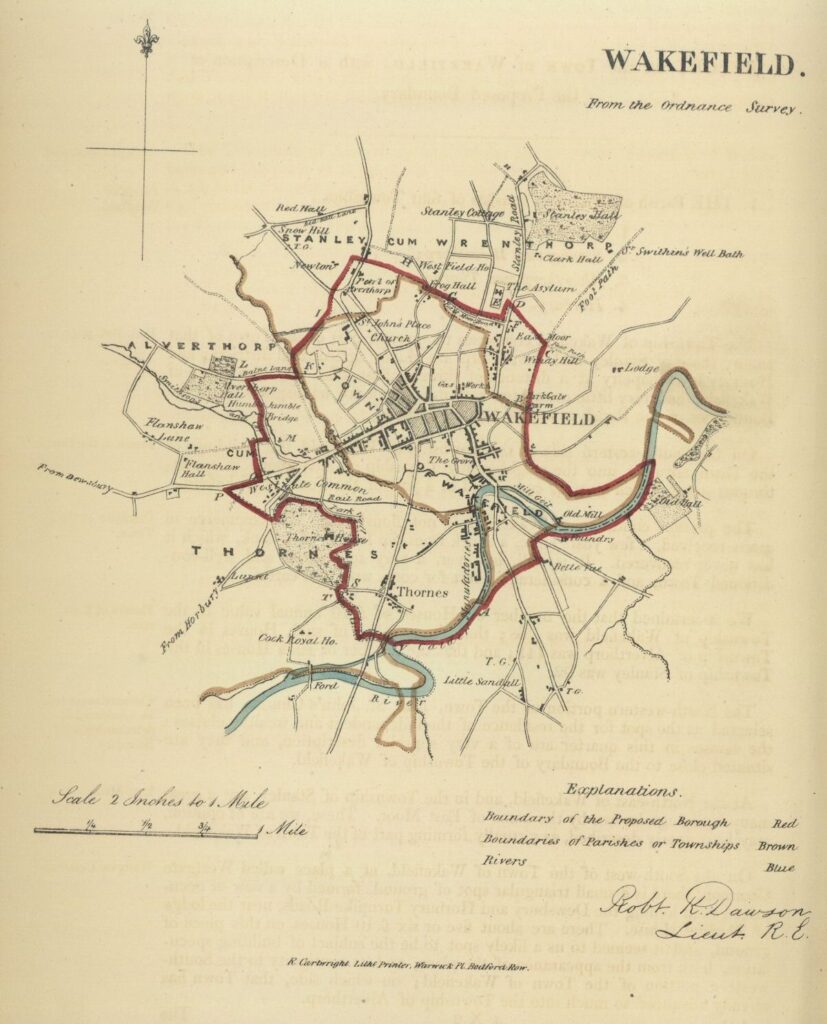
‘I have attached myself to no party’: Daniel Gaskell and parliamentary life in the 1830s
Our Victorian Commons project is shedding new light on the increasingly important role played in the behind-the-scenes business of the…
-
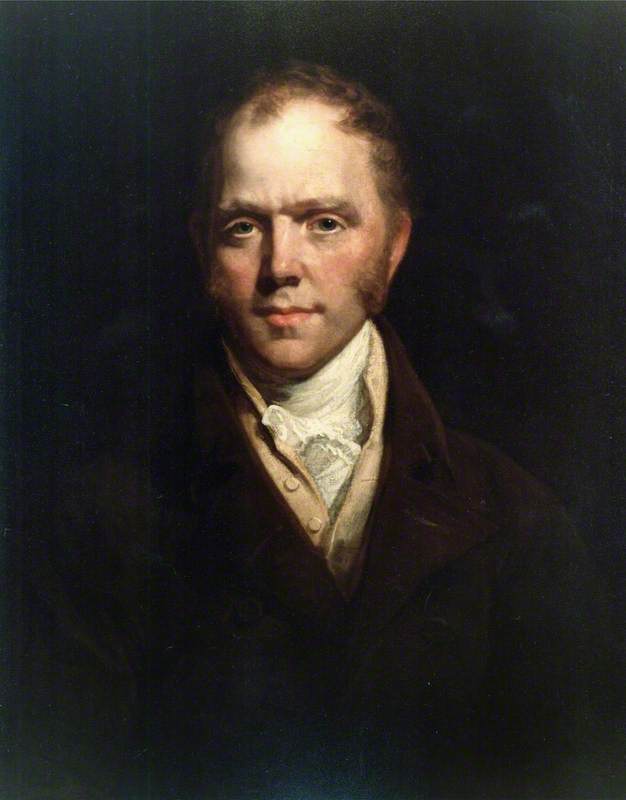
Josiah Wedgwood (1769-1843): from pottery to politics
Today (3rd August) marks the anniversary of the birth of Josiah Wedgwood MP in 1769. Wedgwood has a special significance…
-

‘Had she been a man, she would have been the leader of a party’: Harriet Grote (1792-1878), radicalism and Parliament, 1820-41
In the first of his articles on Harriet Grote (1792-1878), our research fellow Dr Martin Spychal, explores Harriet’s early life,…
-

The radical hostess of Parliament Street: Harriet Grote (1792-1878), the 1832 election and establishing influence as a woman at Westminster
In the second of his articles on Harriet Grote (1792-1878), our research fellow, Dr Martin Spychal, explores Harriet’s introduction to…
-

Harriet Grote (1792-1878) and the first reformed Parliament, 1833-34: a woman at Westminster
In the third of his articles on Harriet Grote (1792-1878), our research fellow Dr Martin Spychal looks at Harriet’s introduction…
-

‘She, yes, she was the only member of parliament’: Harriet Grote, radical parliamentary tactics and House of Lords reform, 1835-6
In the fifth of his articles on Harriet Grote (1792-1878), our research fellow Dr Martin Spychal explores Harriet’s relationship with the veteran radical…
-

‘The only really important public service I performed’: John Stuart Mill’s women’s suffrage amendment, 20 May 1867
Having looked at John Stuart Mill’s role in presenting the first mass petition for women’s suffrage, our colleague Dr Kathryn…
-

‘The first humble beginnings of an agitation’: the women’s suffrage petition of 7 June 1866
The campaign to secure the parliamentary vote for women was a long-running one. Dr Kathryn Rix, assistant editor of our…
-
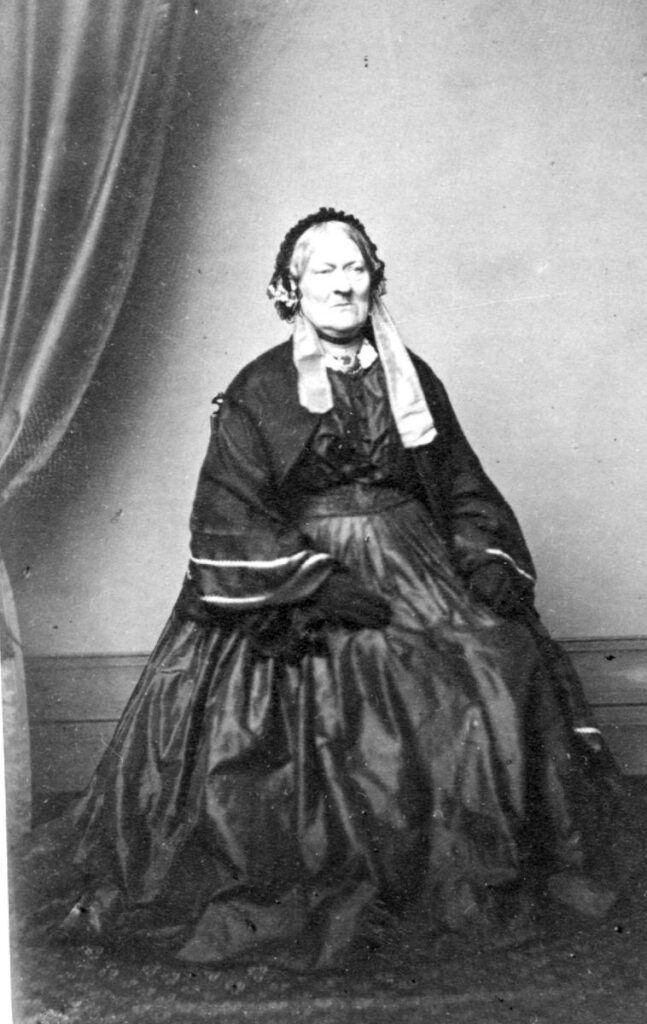
‘A woman actually voted!’: Lily Maxwell and the Manchester by-election of November 1867
More than half a century before the partial enfranchisement of women in 1918, Lily Maxwell, a Manchester shopkeeper, cast a…