
Social history
-
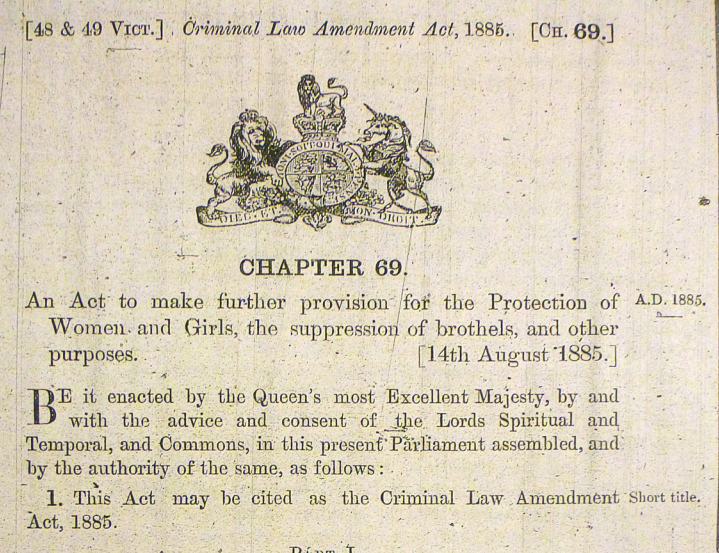
‘Abominable, unutterable, and worse than fables’: the campaign to pass the Criminal Law Amendment Bill
At the IHR Parliaments, Politics and People seminar on Tuesday 11 November, Steven Spencer of Birkbeck, University of London, will…
-
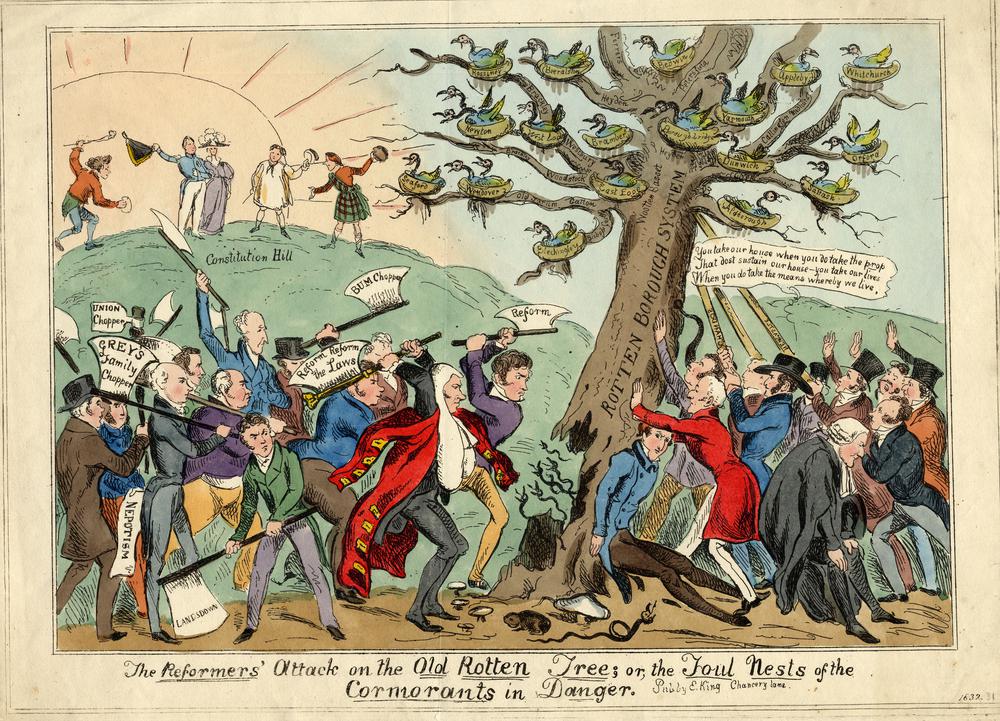
The 1832 Reform Act
‘Was the 1832 Reform Act “Great”?’ may not be the standard exam question it once was, but ongoing research about…
-
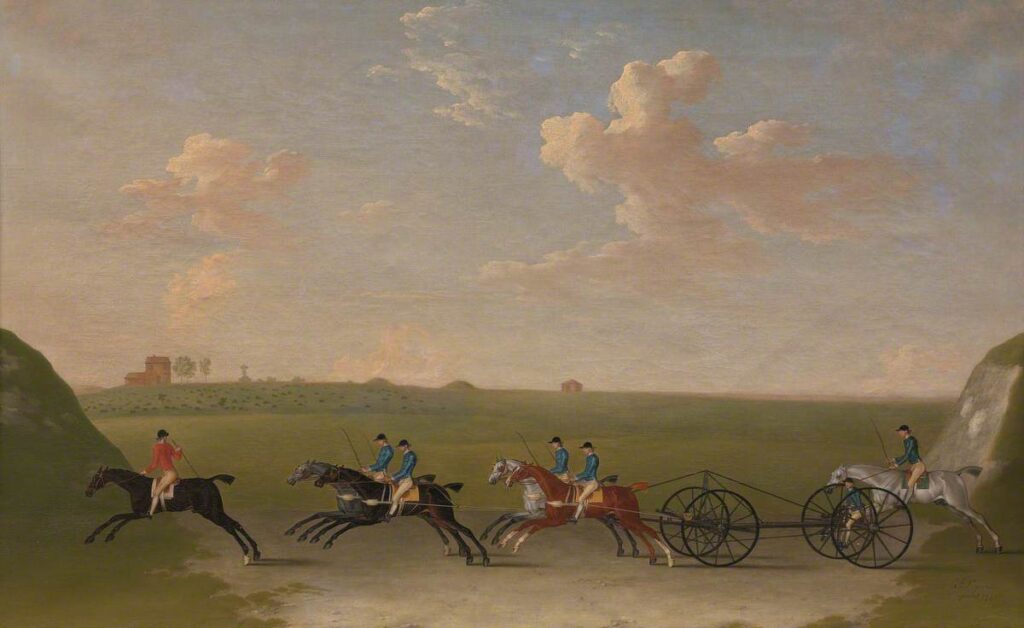
From Jockeys to Ministers: How Horse Racing Shaped Rockingham’s First Ministry
In the latest post for the Georgian Lords, we welcome Ioannes Chountis de Fabbri from the University of Aberdeen, who…
-

Did they believe in portents? Severe weather and other extreme natural phenomena in Walsingham’s Chronica Maiora and other late-medieval monastic chronicles
Dr Simon Payling, of our Commons 1461-1504 section, explores the theme of extreme weather in medieval chronicles. It is a familiar…
-
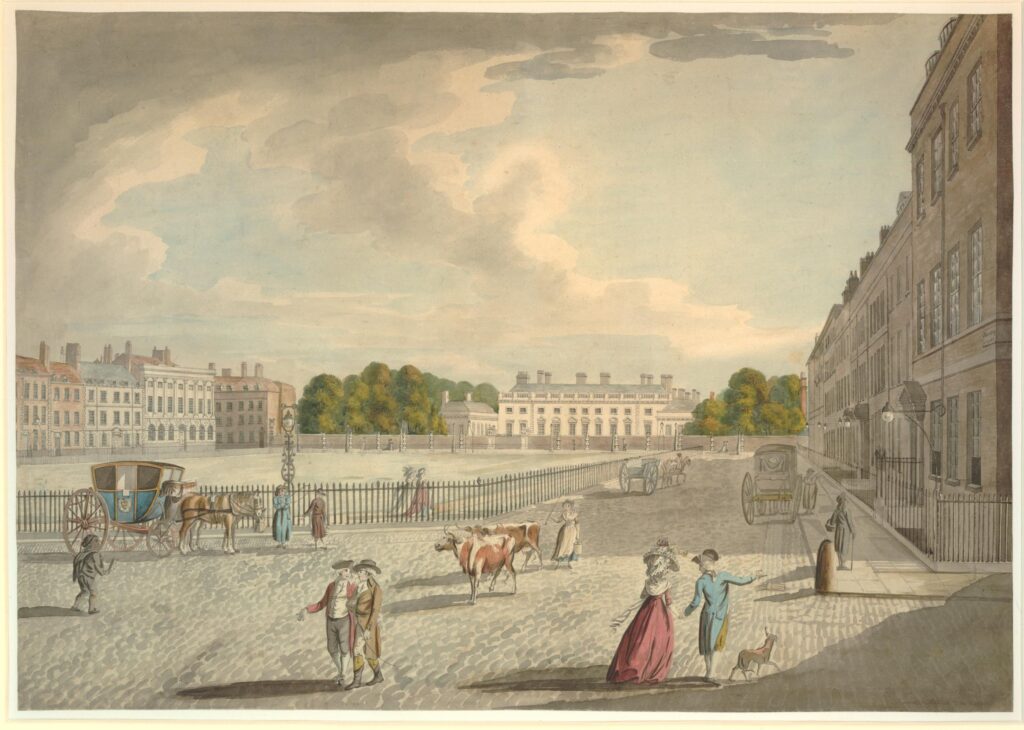
Bloomsbury Square and the Gordon Riots
For almost 20 years, Bloomsbury Square has been the home to the History of Parliament. In the latest post for…
-
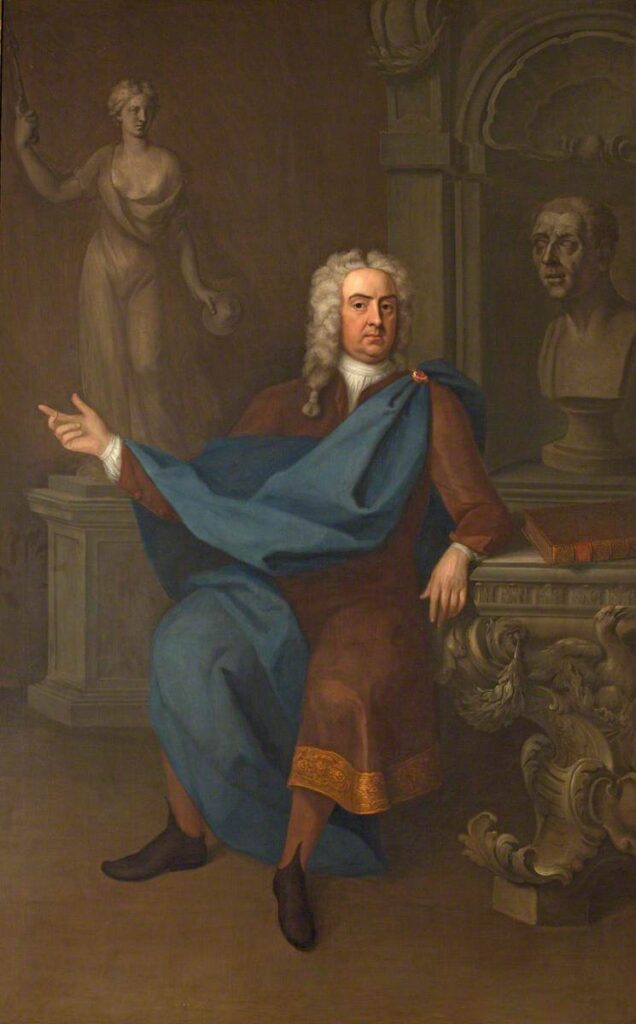
Some thoughts on William Pulteney, earl of Bath
The 31 May 2025 marks Dr Stuart Handley’s last day at the History of Parliament. One of his last biographies…
-

Disraeli and One Nation Conservatism
In this article our former colleague Dr Henry Miller explores the origins of the phrase ‘One Nation’, which is famously…
-

The story of a manor in memorials: the early tombs in the Shropshire church of Kinlet
The Shropshire church of Kinlet stands isolated in parkland, the village it once served re-sited in the early-eighteenth century on…
-

Oliver Cromwell’s ‘Other House’ and the perils of Lords ‘reform’
In this guest post, Dr Jonathan Fitzgibbons of Lincoln University, looks at a constitutional issue from the 1650s with obvious…
-
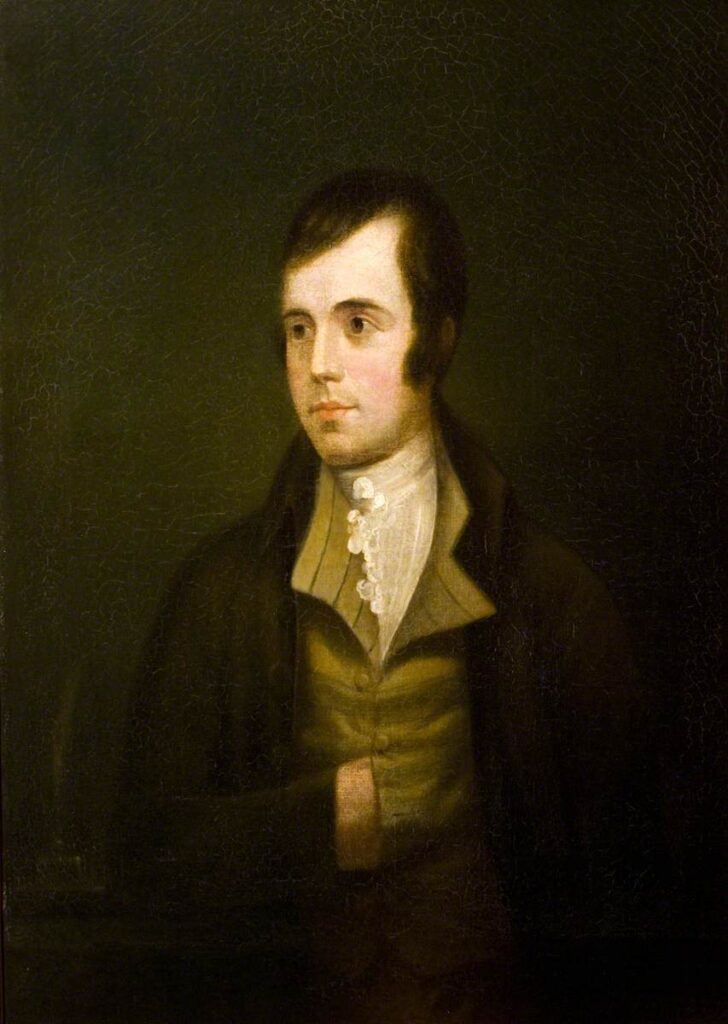
Robert Burns in Edinburgh: peers, patrons, and politics
In the wake of Burns Night, it is worth considering how the patronage of a small number of Scottish nobles…
-

The town of Shrewsbury and the Wars of the Roses: The campaigns of 1459-61
Dr Simon Payling, of our Commons 1461-1504 section, explores the political allegiance of the Shropshire town of Shrewsbury during the…
-
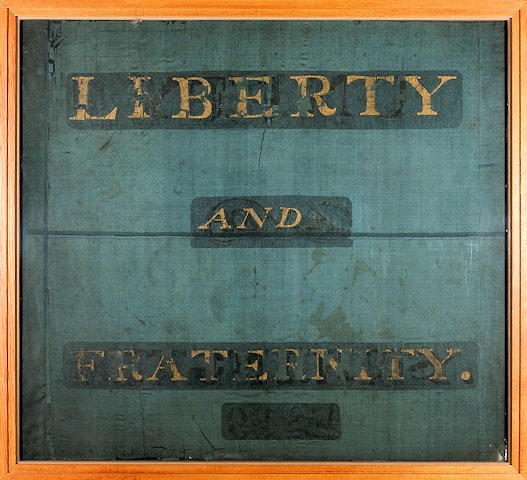
Producing, Performing and Curating Radicalism: How was radical material culture produced, used and curated in early 19th century Britain?
Ahead of next Tuesday’s Parliaments, Politics and People seminar, we hear from Dr Caitlin Kitchener. On 28 January Caitlin will…