Religious history

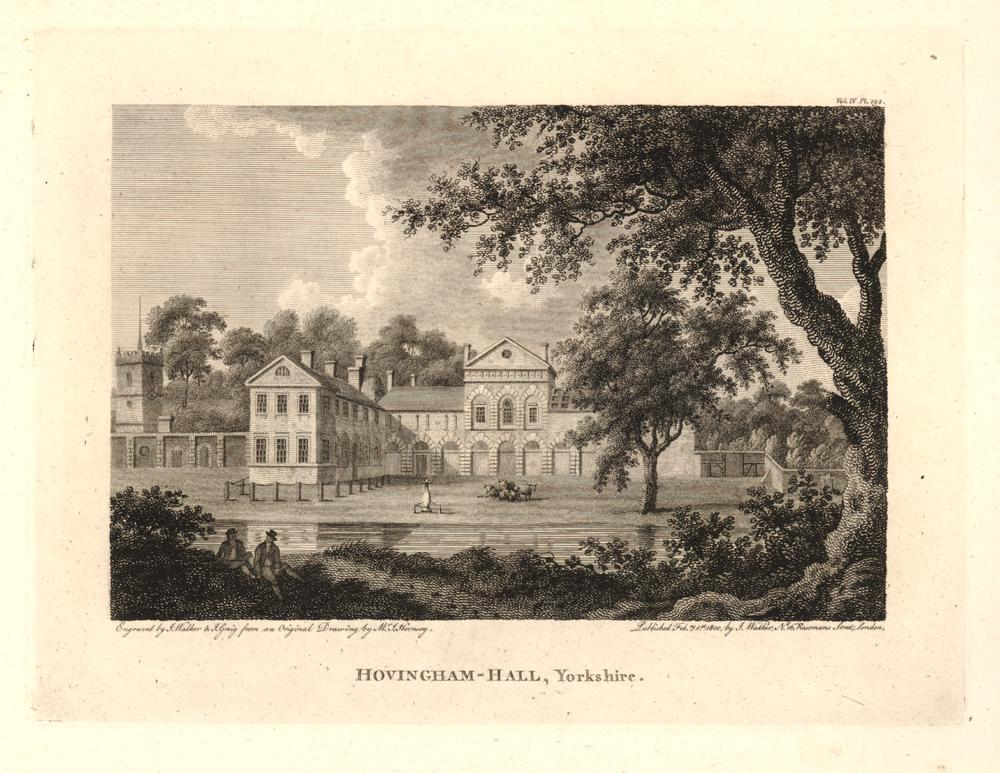
  • Descended from a giant: the Worsleys of Hovingham

    Descended from a giant: the Worsleys of Hovingham

    The recent death of HRH the Duchess of Kent, who was married to the late queen’s cousin at York Minister in 1961, reminds us of her family’s long association with Yorkshire. This has included two brothers who served as archbishop…

  • Did they believe in portents? Severe weather and other extreme natural phenomena in Walsingham’s Chronica Maiora and other late-medieval monastic chronicles

    Did they believe in portents? Severe weather and other extreme natural phenomena in Walsingham’s Chronica Maiora and other late-medieval monastic chronicles

    Dr Simon Payling, of our Commons 1461-1504 section, explores the theme of extreme weather in medieval chronicles. It is a familiar theme in medieval chronicles, whether monkish or secular, that extreme weather, natural disaster or even just unusual events were, or,…

  • John Potter, an unusual Archbishop of Canterbury

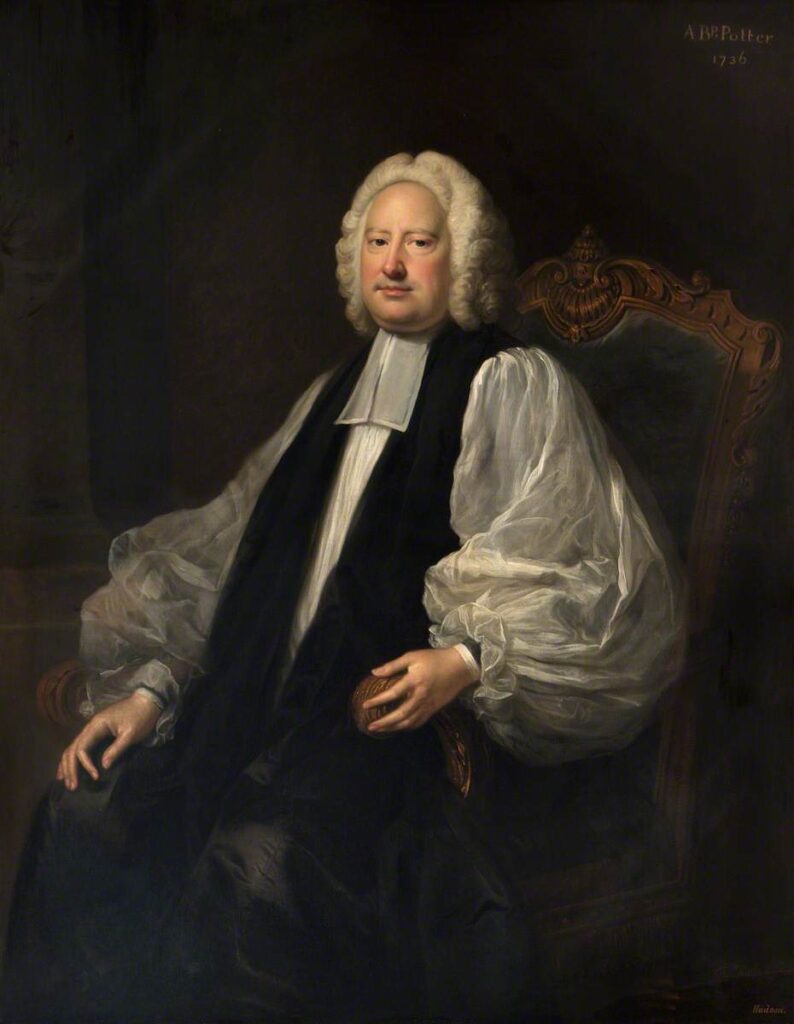
    John Potter, an unusual Archbishop of Canterbury

    In the latest blog for the Georgian Lords, Dr Robin Eagles examines the career of one of the lesser known Archbishops of Canterbury, who was able to make use of his August 1715 sermon celebrating the accession of George I…

  • Reframing the political narrative, Tudor-style: the Westminster conference of 1559

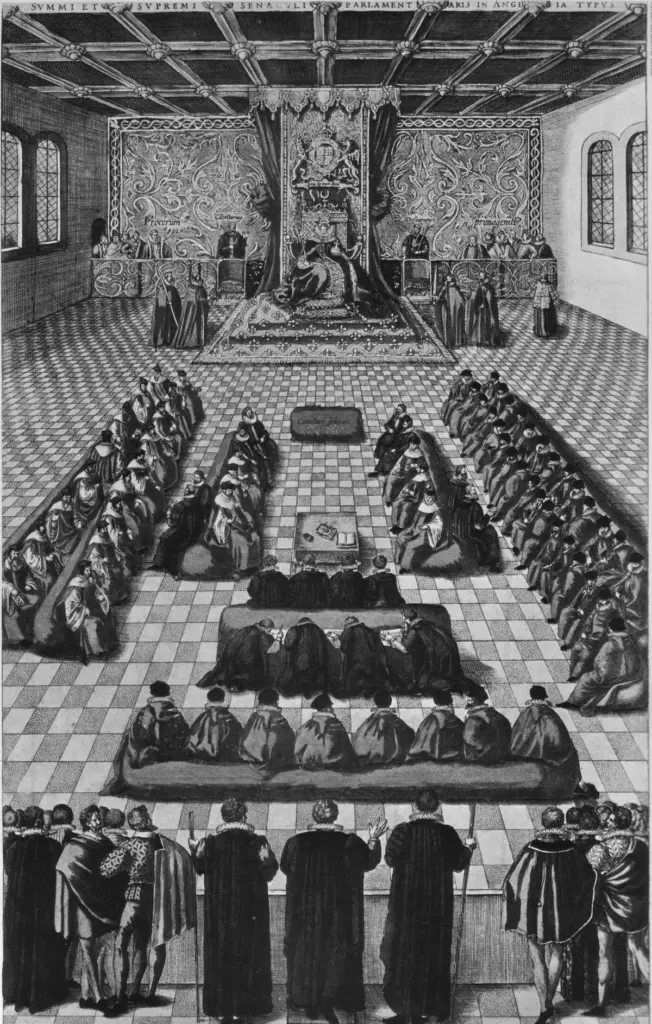
    Reframing the political narrative, Tudor-style: the Westminster conference of 1559

    The use of social media to influence political opinion has become a contentious issue in the past few years. However, there’s nothing new about the basic concept of politicians trying to shape popular perceptions to their own advantage, as Dr…

  • Bloomsbury Square and the Gordon Riots

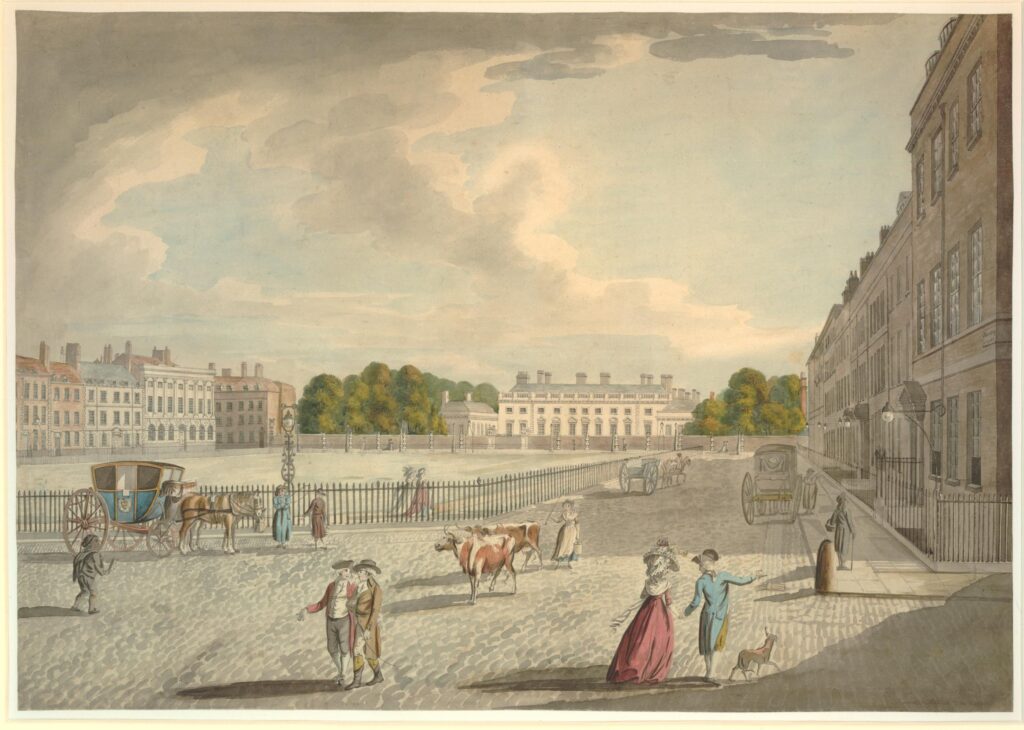
    Bloomsbury Square and the Gordon Riots

    For almost 20 years, Bloomsbury Square has been the home to the History of Parliament. In the latest post for the Georgian Lords, Dr Robin Eagles considers the history of the square in one of its most turbulent periods. Bloomsbury…

  • Parliament and the Church, c.1530-c.1630

    Parliament and the Church, c.1530-c.1630

    In this blog, Dr Alex Beeton reviews a fascinating colloquium, held recently at the History of Parliament’s office in Bloomsbury Square. In the early modern period, both England’s Church and its Parliament changed. A Catholic country split from Rome and…

  • Catholics in the Commons after emancipation

    Catholics in the Commons after emancipation

    Today (13 April) marks the anniversary of the Roman Catholic Relief Act gaining royal assent in 1829, which removed many of the barriers restricting Roman Catholics from sitting in Parliament. However, as Dr Philip Salmon of the Victorian Commons explores,…

  • The story of a manor in memorials: the early tombs in the Shropshire church of Kinlet

    The story of a manor in memorials: the early tombs in the Shropshire church of Kinlet

    The Shropshire church of Kinlet stands isolated in parkland, the village it once served re-sited in the early-eighteenth century on the building of the still-extant Kinlet Hall. It contains a fine series of memorials, the two earliest of which mark…

  • Oliver Cromwell’s ‘Other House’ and the perils of Lords ‘reform’

    Oliver Cromwell’s ‘Other House’ and the perils of Lords ‘reform’

    In this guest post, Dr Jonathan Fitzgibbons of Lincoln University, looks at a constitutional issue from the 1650s with obvious contemporary relevance: the place of the House of Lords. As politicians continue to debate the House of Lords’ future, including…

  • The Last of the Jacobites: Henry Benedict

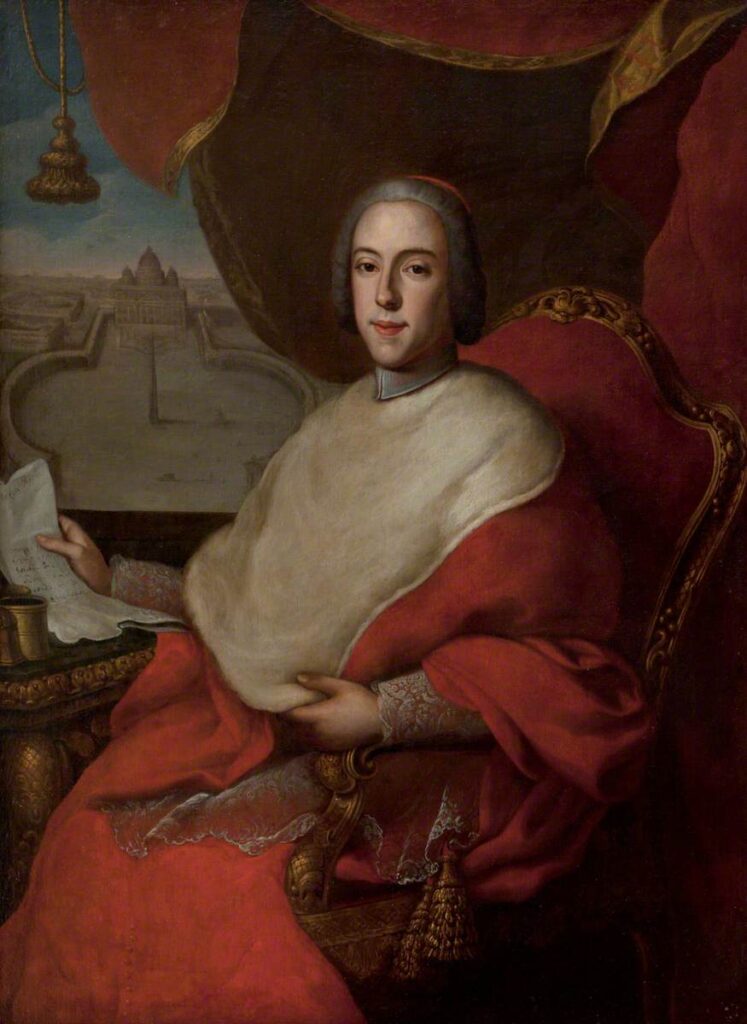
    The Last of the Jacobites: Henry Benedict

    Henry Benedict, Cardinal York (1725-1807), born 300 years ago this March, was the last member of the royal family to take an active role in a papal Conclave, when he participated in the election of Pope Pius VII at Venice…

  • The 1580 Dover Straits Earthquake

    The 1580 Dover Straits Earthquake

    On 6 April 1580, as Queen Elizabeth I was taking the air in the fields around Whitehall, south-east England experienced its greatest seismic event for two hundred years. Dr Andrew Thrush, editor of our Elizabethan House of Lords project, explains……

  • Lord Saye and Sele and the Battle for Oxford

    Lord Saye and Sele and the Battle for Oxford

    In our first ‘Revolutionary Stuart Parliaments‘ article of 2025, Editor of the 1640-60 House of Lords section, Dr David Scott, considers the leading parliamentarian peer, Viscount Saye and Sele, and his relationship with the archbishop of Canterbury, William Laud. ‘The…