
Parties
-
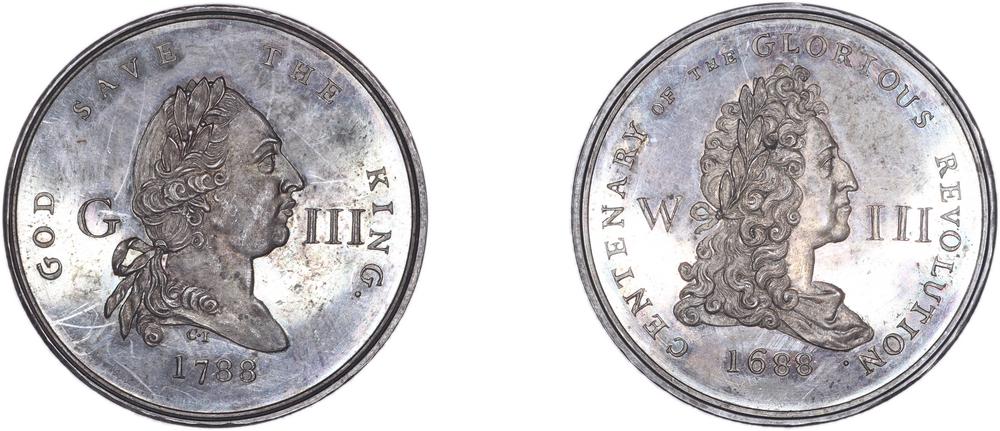
‘Confirmation of the People’s Rights’: commemorating the ‘Glorious Revolution’ of 1688
For many, the beginning of November means the advent of longer nights as the year winds down to Christmas. Some…
-
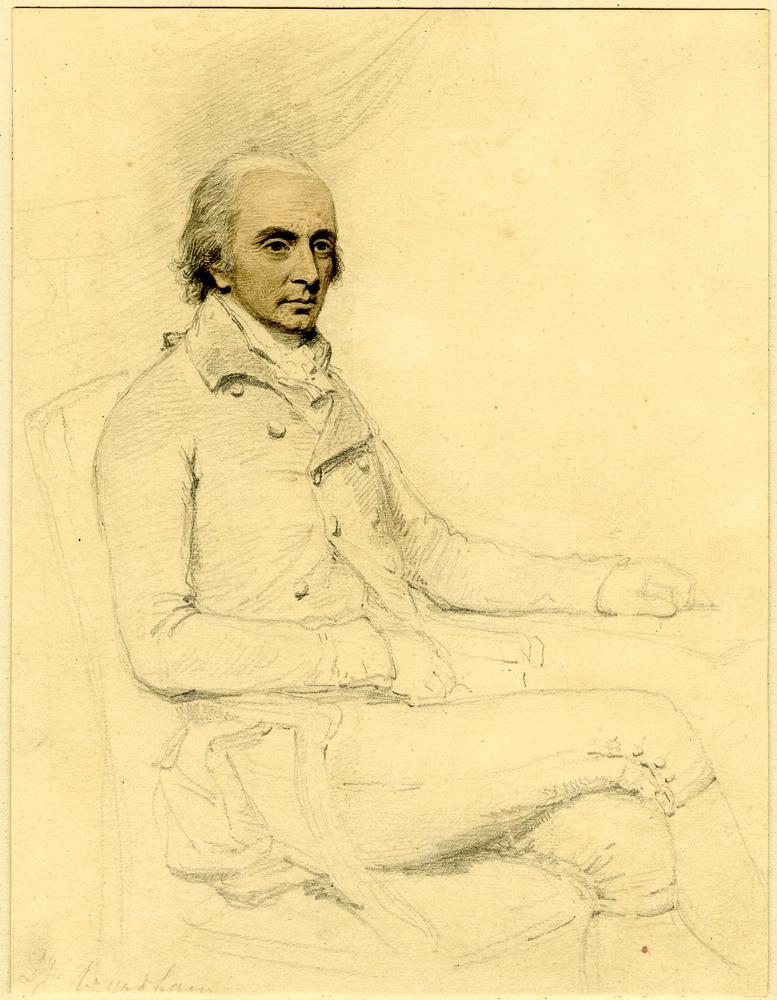
‘The sect of Alarmists’: The Third Party and the reluctant leadership of William Windham, 1793-4
In this latest post, the Georgian Lords welcomes a guest article by James Orchin, PhD student at Queen’s University, Belfast,…
-
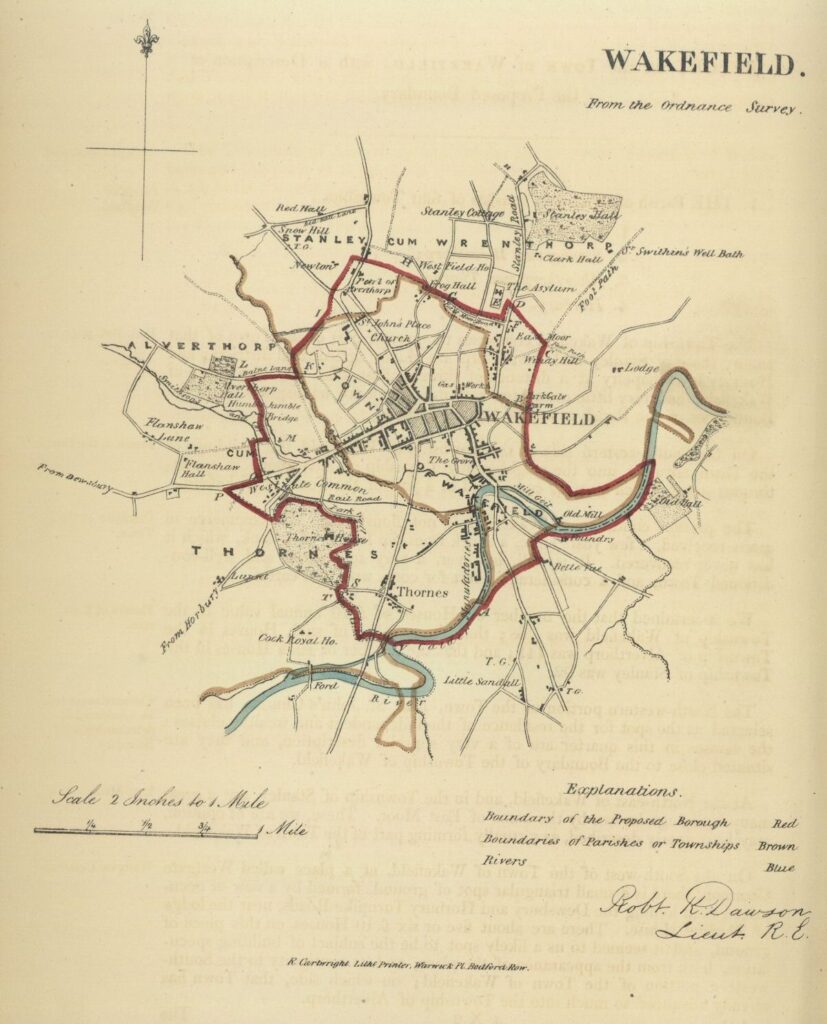
‘I have attached myself to no party’: Daniel Gaskell and parliamentary life in the 1830s
Our Victorian Commons project is shedding new light on the increasingly important role played in the behind-the-scenes business of the…
-
From bills to bullets: Spring 1775 and the approach to war in America
A recent article in this series [Background to the American Revolution] looked at the debates in the House of Lords…
-
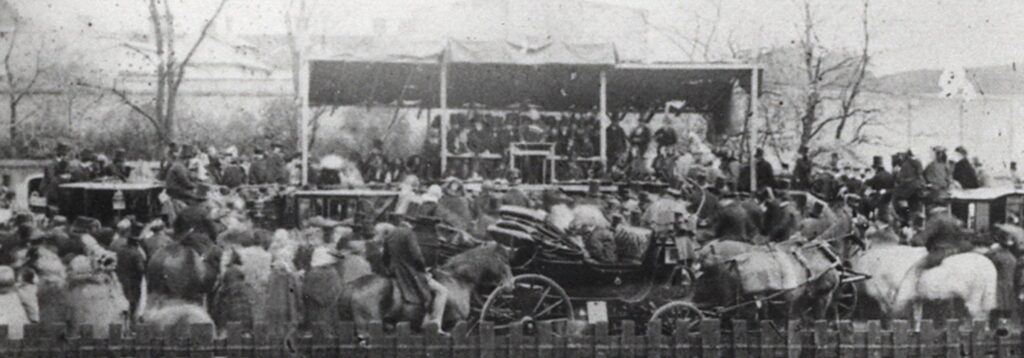
The evolving electoral system: the 1835 and 1865 general elections compared
This year marks the 190th anniversary of the 1835 general election and the 160th anniversary of the 1865 general election.…
-
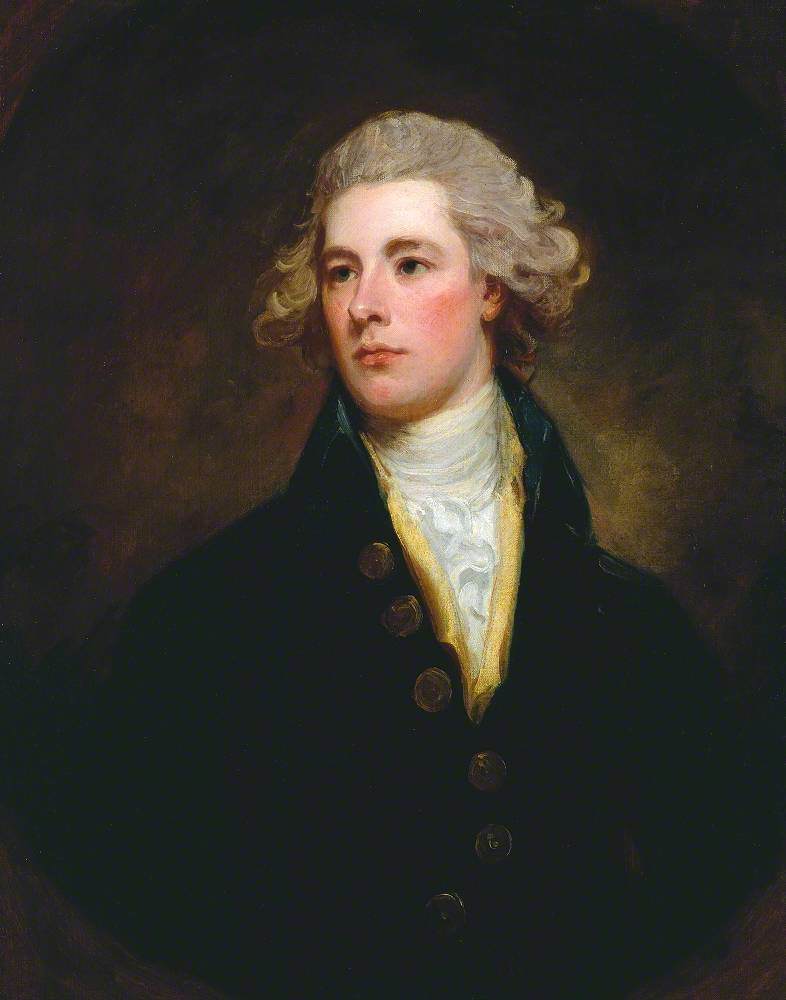
‘of all others most desirable’: Pitt the Younger and elections for Cambridge
From the onset of his lengthy political career, William Pitt the Younger had his eyes fixed on representing his alma…
-
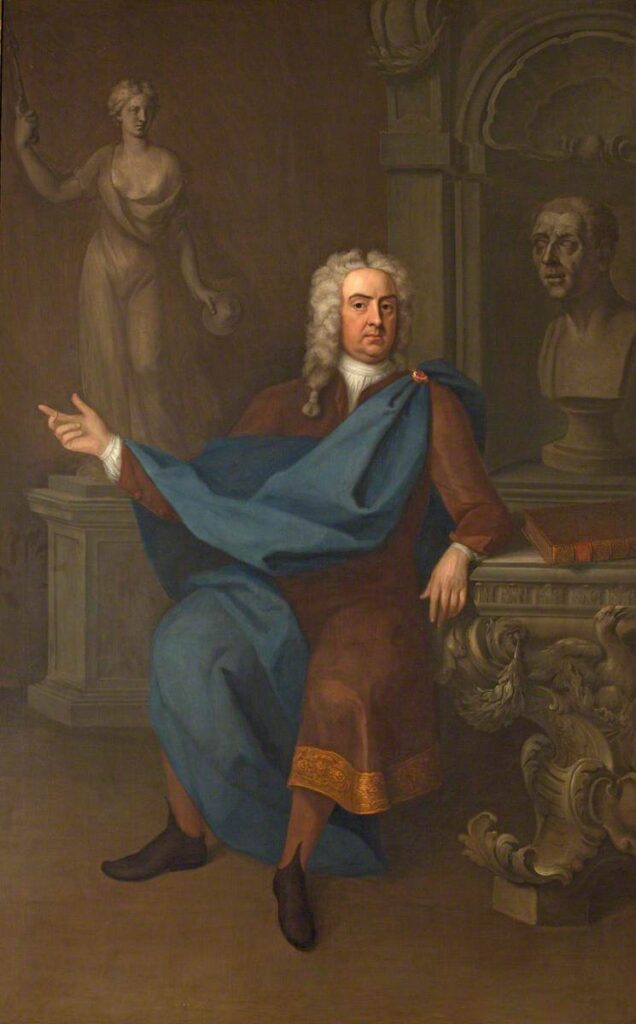
Some thoughts on William Pulteney, earl of Bath
The 31 May 2025 marks Dr Stuart Handley’s last day at the History of Parliament. One of his last biographies…
-
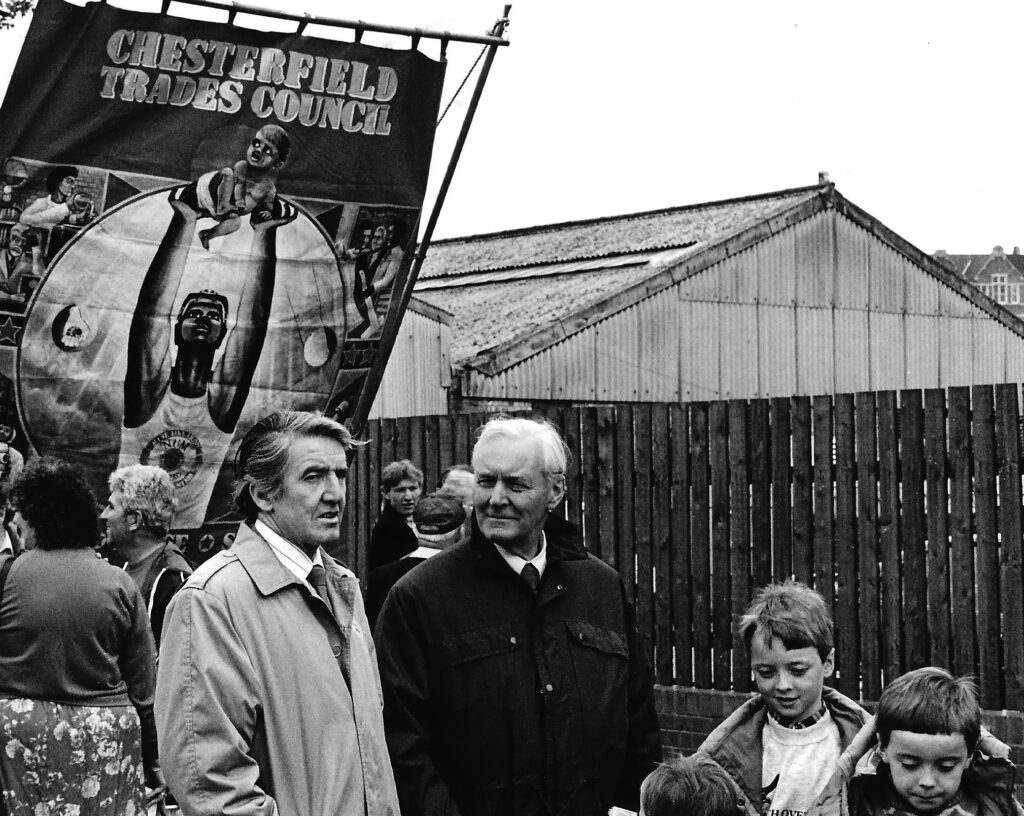
‘A Socialist Identity in Parliament’? The Campaign Group of Labour MPs, 1982-2015
Ahead of next Tuesday’s Parliaments, Politics and People seminar, we hear from Alfie Steer of Hertford College, University of Oxford. On…
-
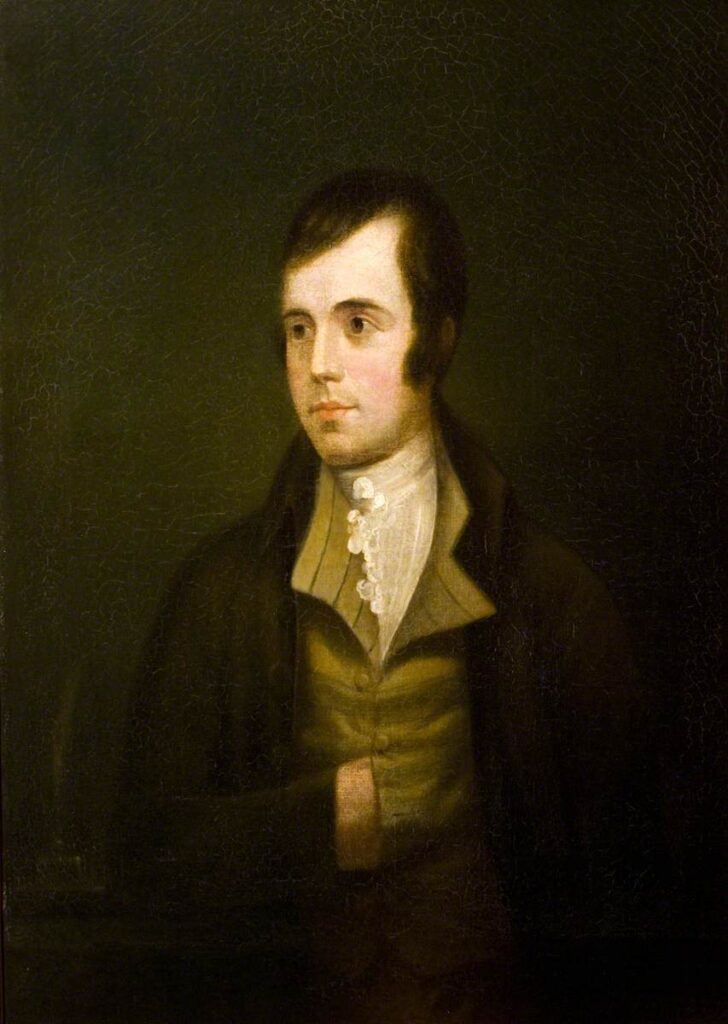
Robert Burns in Edinburgh: peers, patrons, and politics
In the wake of Burns Night, it is worth considering how the patronage of a small number of Scottish nobles…
-
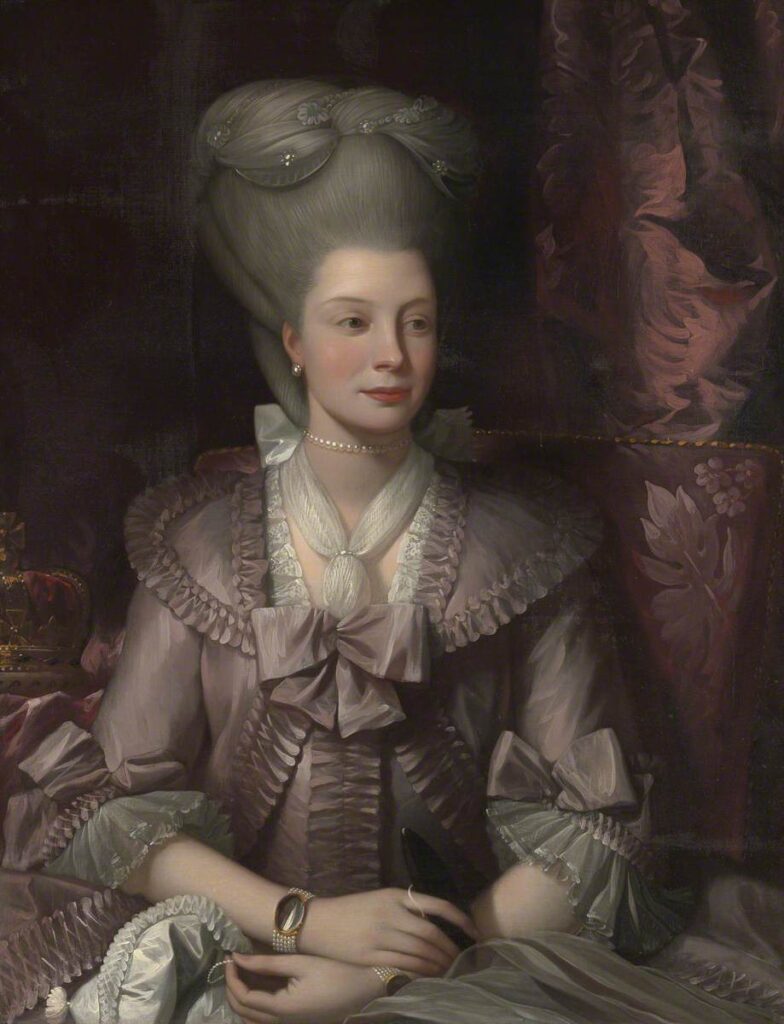
A Meddlesome Mother? Queen Charlotte and the Regency Crisis
In October 1788, George III fell ill with an unknown ‘malady’ which rendered him unable to fulfil his duties as…
-

Cynog Dafis: Britain’s first Green MP?
While Caroline Lucas is commonly referred to as Britain’s first Green Member of Parliament, Cynog Dafis, who entered parliament as…
-
Tales from the Green Benches: An Oral History of Parliament
This week, The History of Parliament Trust is excited to announce a new podcast series, ‘Tales from the Green Benches:…