
Parliamentary Life
-
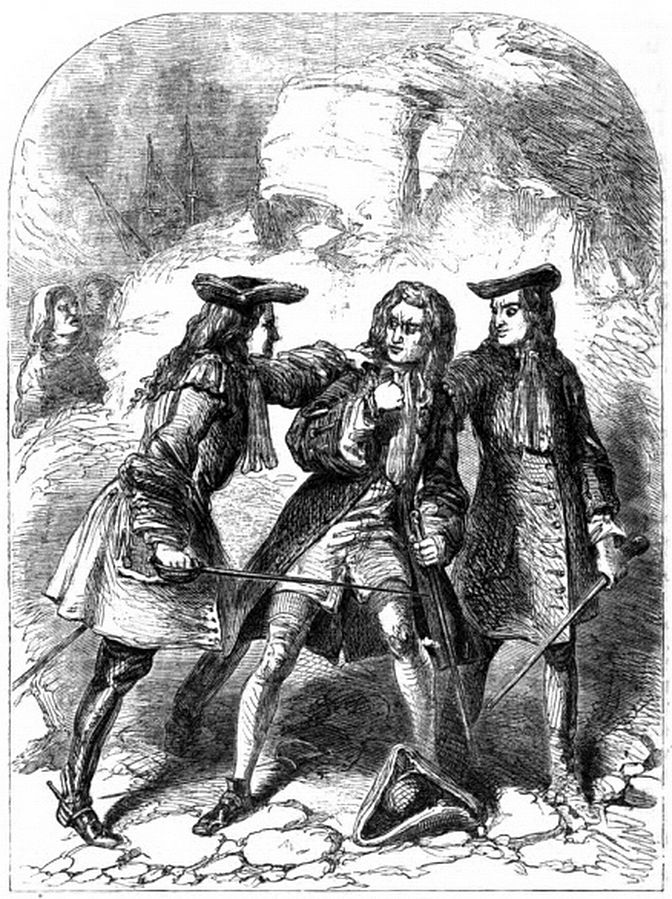
The passing of the bill of attainder against the Jacobite Sir John Fenwick
On 25 November 1696 the House of Commons, after a bitter series of debates, finally passed a bill that would…
-
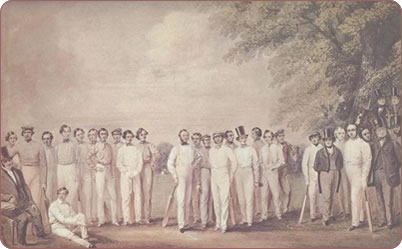
Cricket in the Commons: a Victorian First Eleven
With the 2025 Ashes between England and Australia getting underway this week, we have a cricketing themed post from our…
-
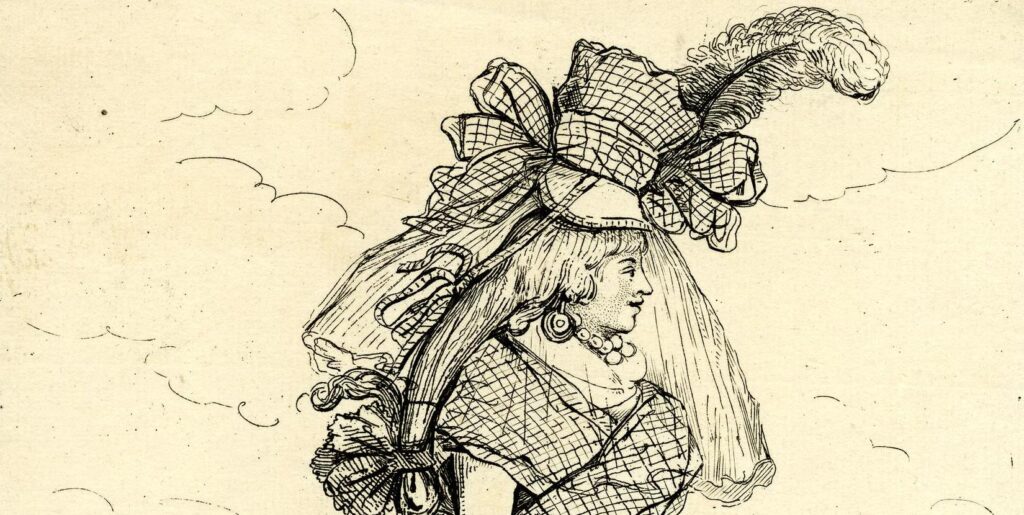
‘The Tartan Rage’: Fashion, High Society, and Scottish Identity in Eighteenth-Century London
At the IHR Parliaments, Politics and People seminar on Tuesday 25 November, Dr Natalee Garrett of The Open University, will…
-
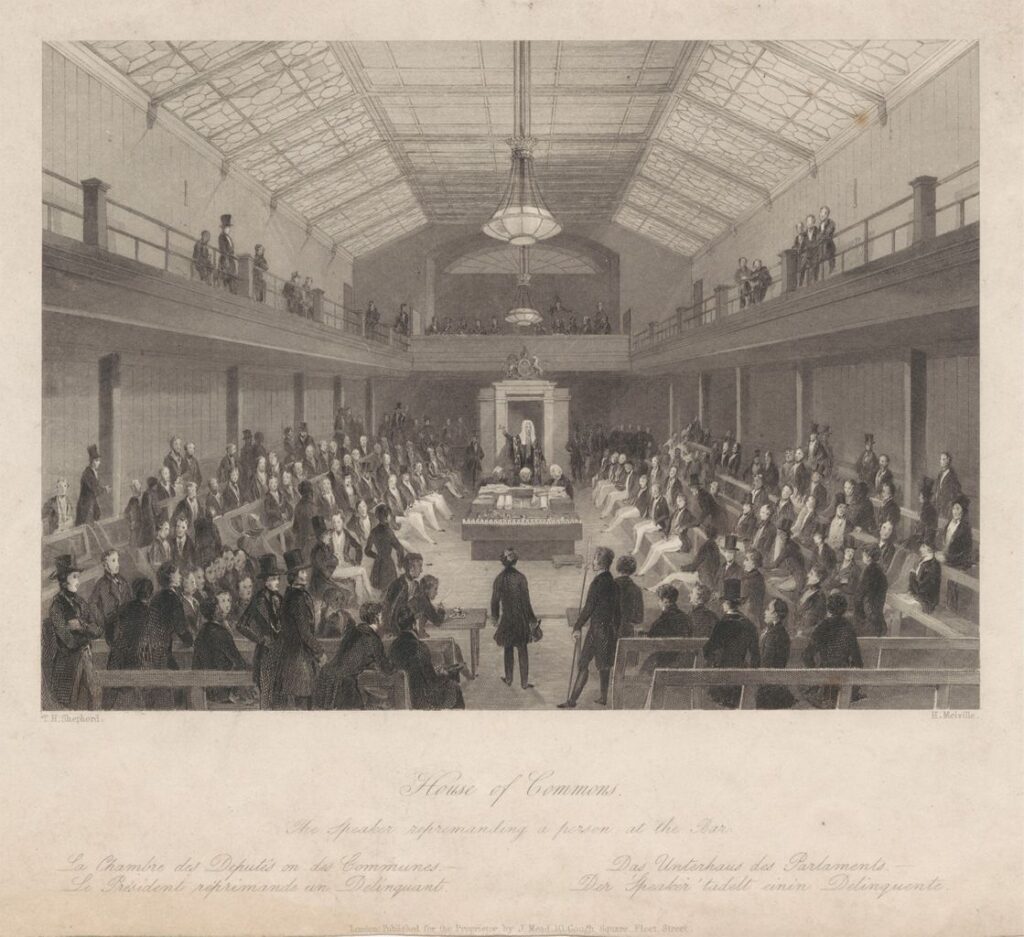
‘A place of business’: the temporary chamber of the House of Commons, 1835-1851
As part of our series on parliamentary buildings, Dr Kathryn Rix of our House of Commons, 1832-1945 project looks at…
-
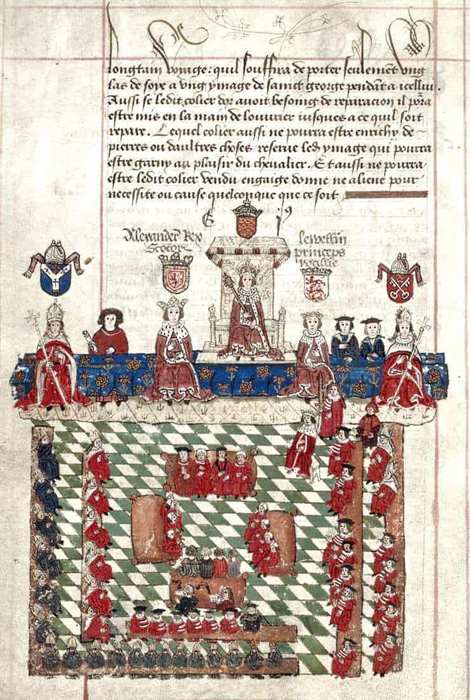
Parliament and Politics in the Later Middle Ages
Dr Simon Payling, of our 1461-1504 section, tracks the development of Parliament and Politics in the Later Middle Ages, from…
-
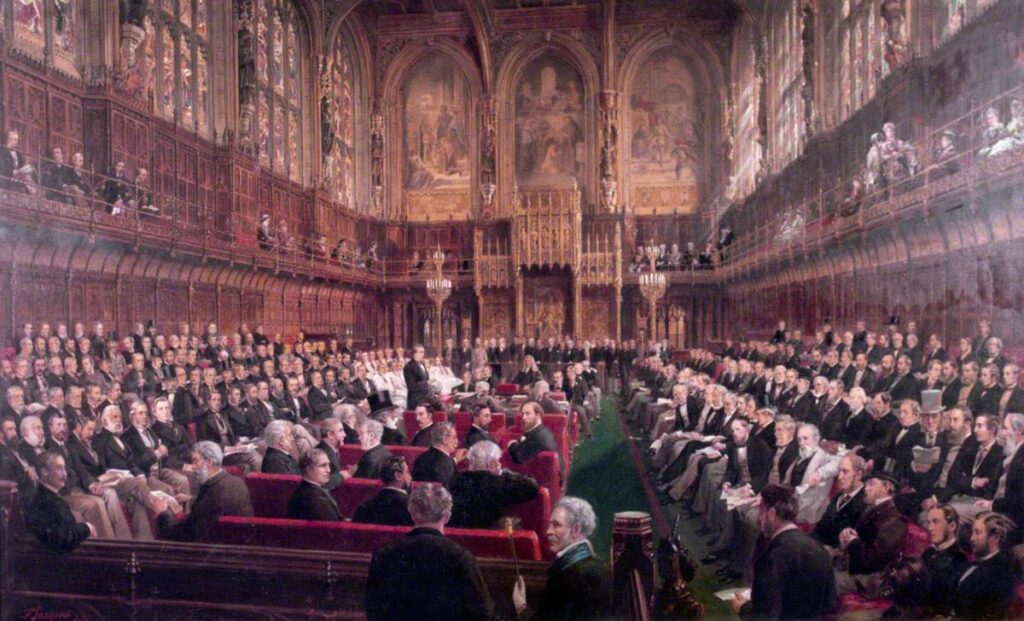
The role and power of the Victorian House of Lords
Dr Philip Salmon looks at a key element of Parliament which we don’t usually have much opportunity to reflect on…
-
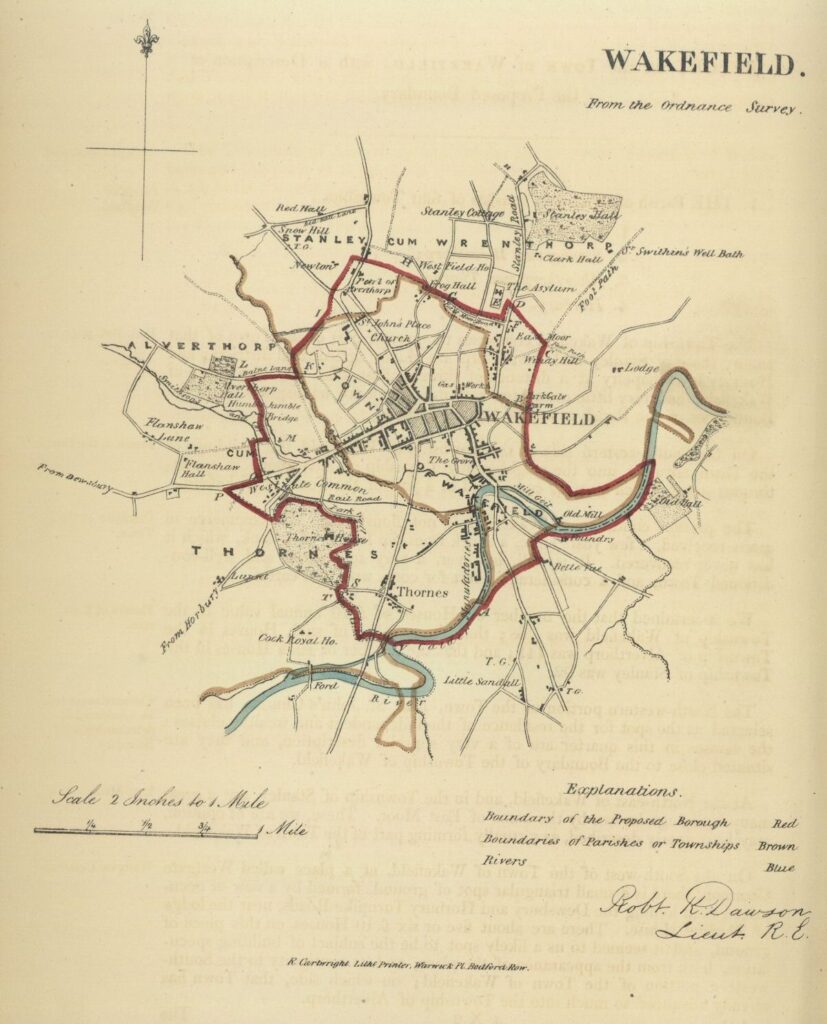
‘I have attached myself to no party’: Daniel Gaskell and parliamentary life in the 1830s
Our Victorian Commons project is shedding new light on the increasingly important role played in the behind-the-scenes business of the…
-
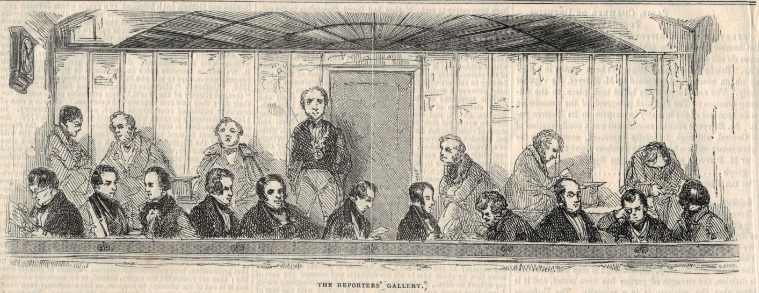
‘The status of the Press is changed indeed’: the reporters’ gallery in the nineteenth-century House of Commons
Continuing our series on parliamentary buildings, Dr Kathryn Rix looks at the accommodation provided for the newspaper journalists who reported…
-
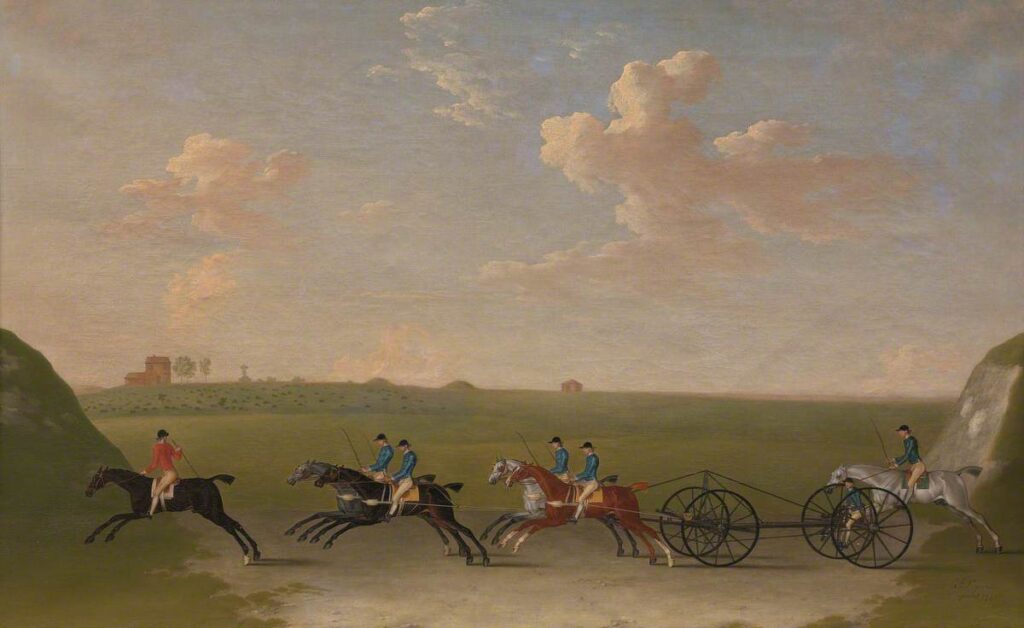
From Jockeys to Ministers: How Horse Racing Shaped Rockingham’s First Ministry
In the latest post for the Georgian Lords, we welcome Ioannes Chountis de Fabbri from the University of Aberdeen, who…
-
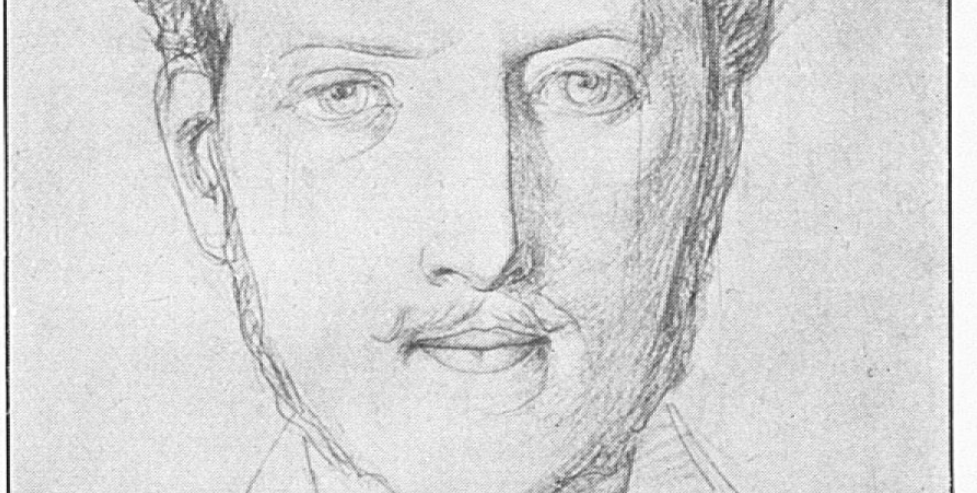
The ‘beautiful boy’ of the Commons: Lord Ronald Gower (1845-1916) and sexual identity in Parliament at the time of the Second Reform Act
In the third of his article series on Lord Ronald Gower (1845-1916), Dr Martin Spychal explores Gower’s parliamentary reputation as…
-
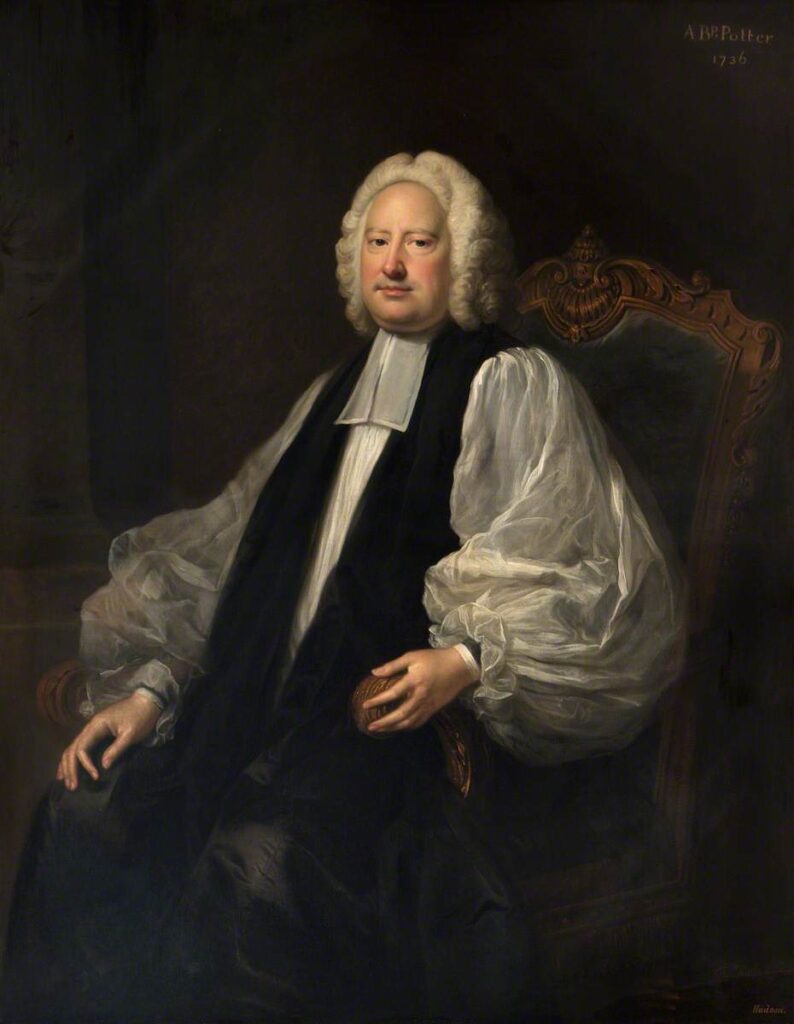
John Potter, an unusual Archbishop of Canterbury
In the latest blog for the Georgian Lords, Dr Robin Eagles examines the career of one of the lesser known…
-
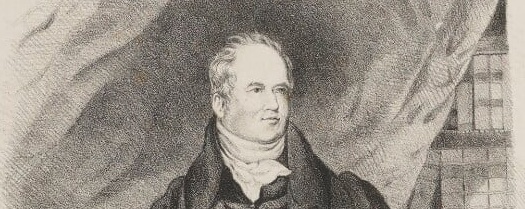
Beyond the Census: John Rickman and Parliament
At the IHR Parliaments, Politics and People seminar on 17 June 2025, Professor Julian Hoppit, Honorary Professor of British History at…