Legislative History
-
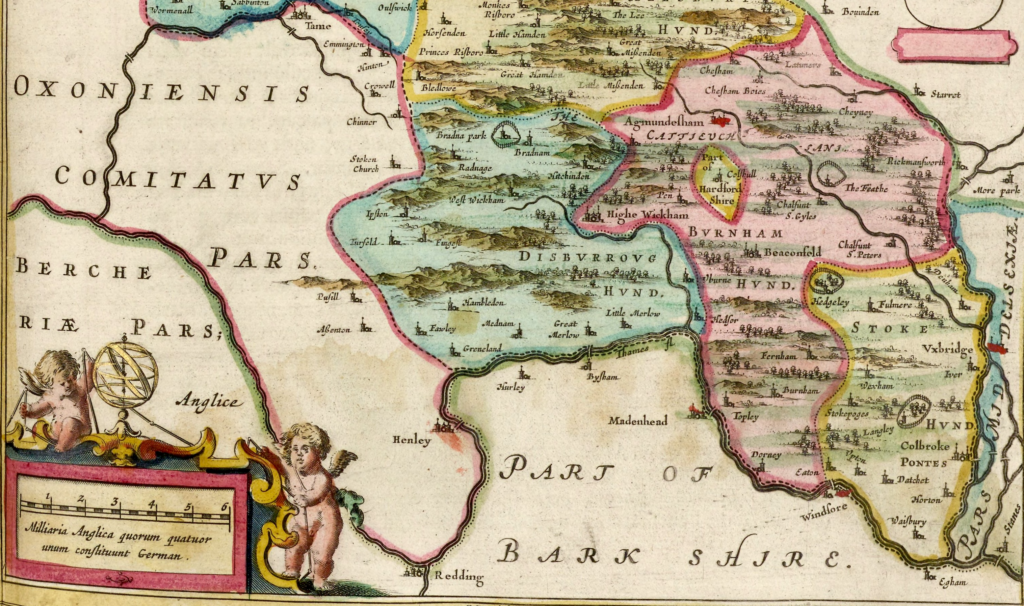
How does an MP resign? The Chiltern Hundreds & the Manor of Northstead
Have you just heard that an MP has resigned by ‘taking the Chiltern Hundreds’? Our Senior Research Fellow, Dr Martin…
-
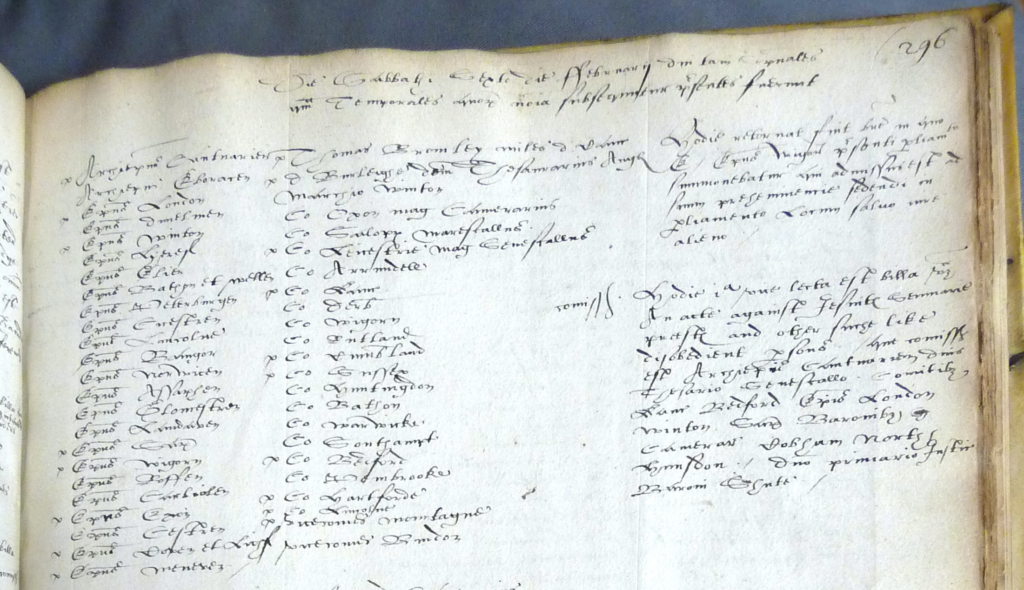
Power struggles and group dynamics in the House of Lords, 1584-5
At the IHR Parliaments, Politics and People seminar on Tuesday 3 February, Dr Paul Hunneyball of the History of Parliament,…
-
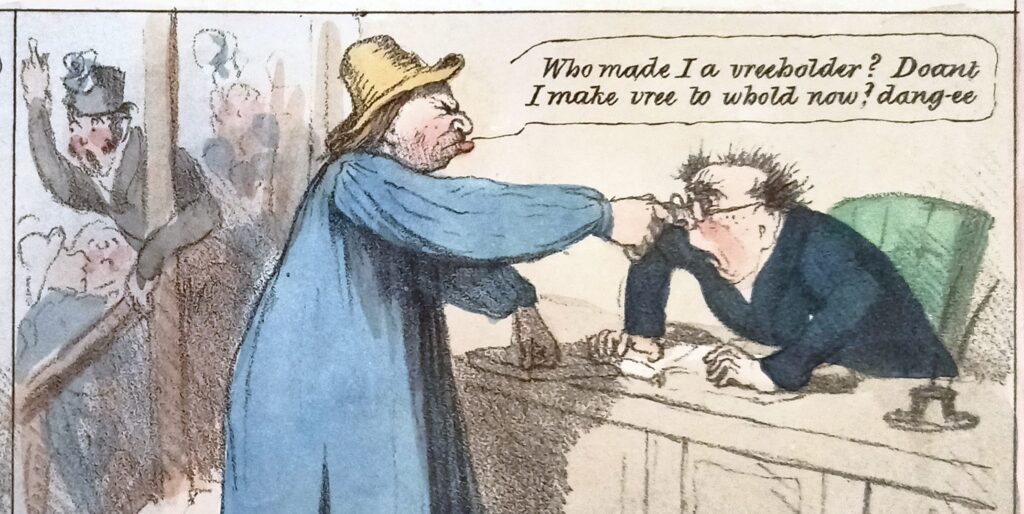
How many people could vote in the UK after the 1832 Reform Act?
As part of our series of ‘explainer’ articles, aimed at clarifying the workings of the United Kingdom’s historic political system,…
-
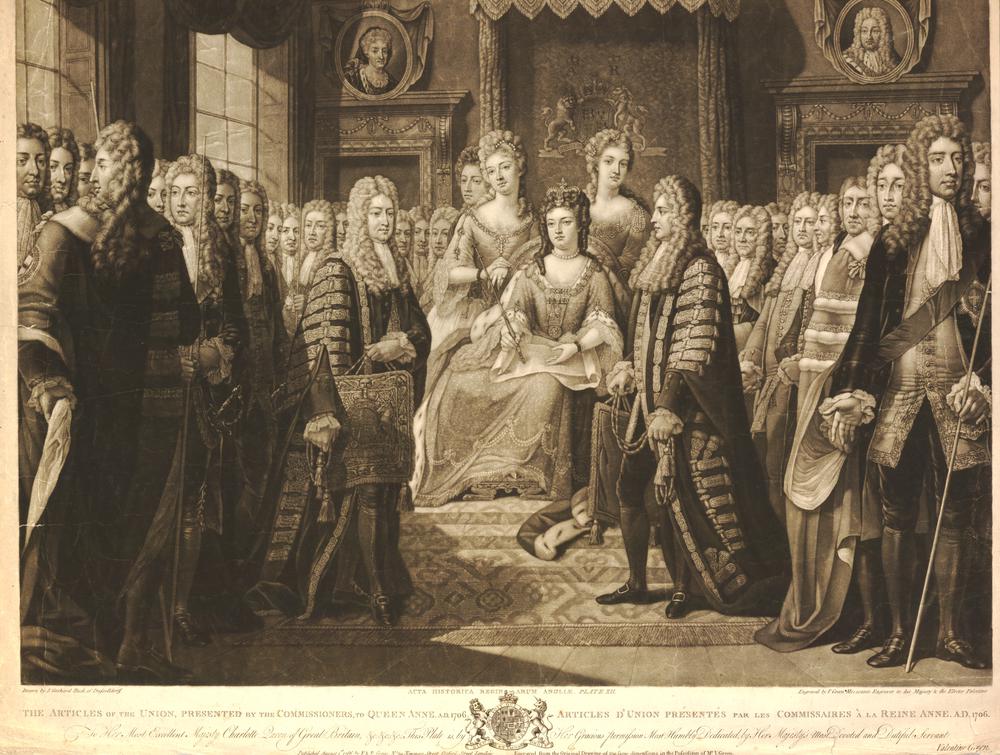
England, Scotland and the Treaty of Union, 1706-08
In 1707, under the terms of the Treaty of Union, England and Scotland became a single state – the United…
-
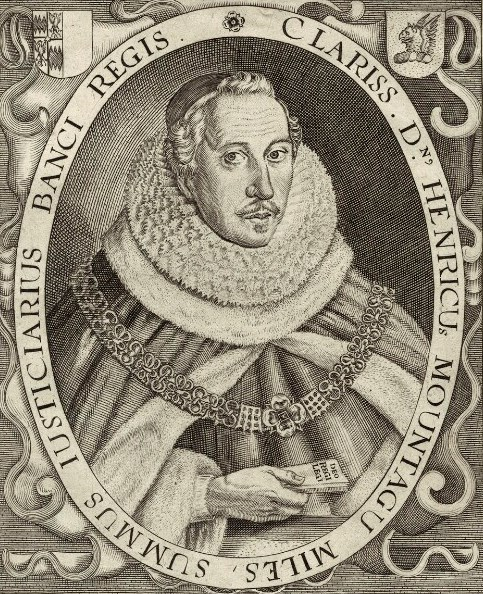
The Baronial Context of the 1641 Triennial Act
Dr David Scott, Editor of the 1640-60 House of Lords section, explores the role of the peers in securing the…
-
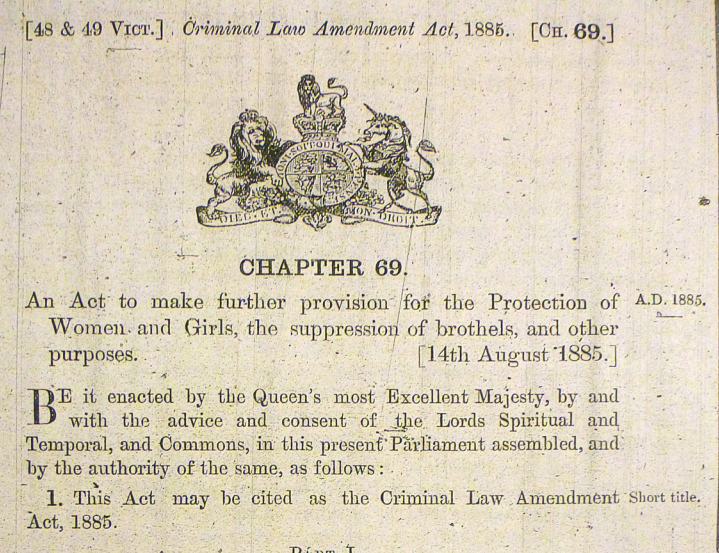
‘Abominable, unutterable, and worse than fables’: the campaign to pass the Criminal Law Amendment Bill
At the IHR Parliaments, Politics and People seminar on Tuesday 11 November, Steven Spencer of Birkbeck, University of London, will…
-
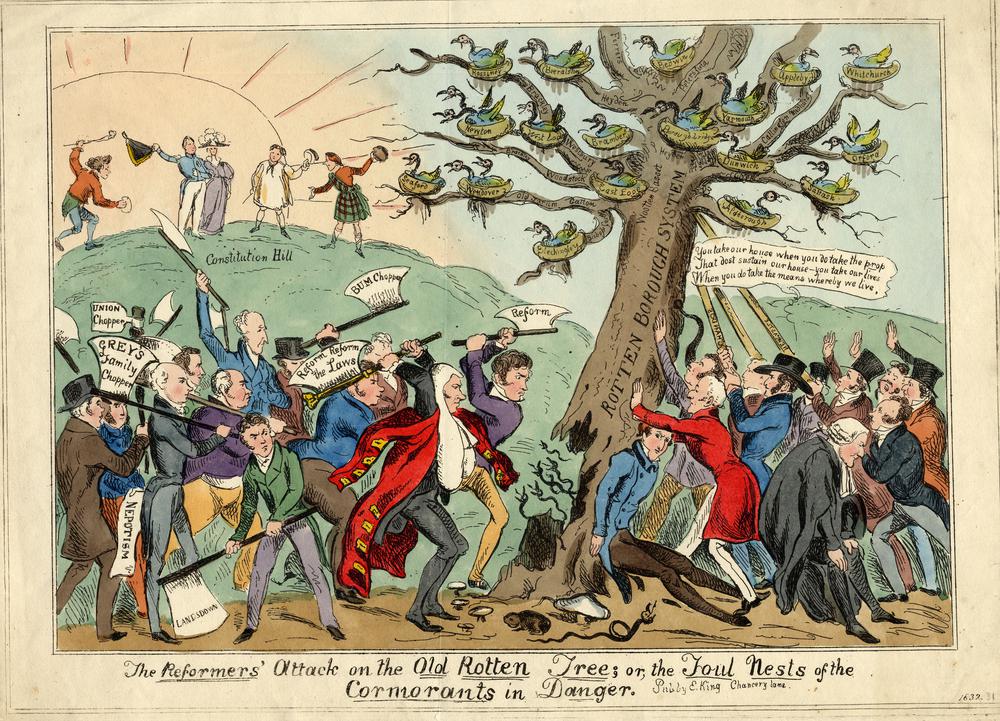
The 1832 Reform Act
‘Was the 1832 Reform Act “Great”?’ may not be the standard exam question it once was, but ongoing research about…
-
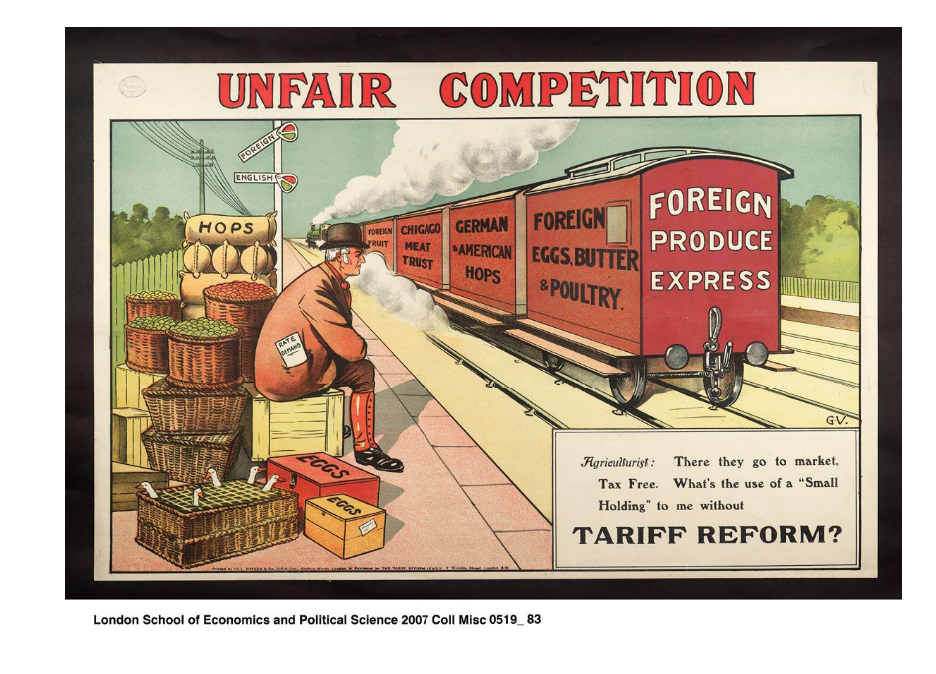
A ‘revolution’ in electioneering? The impact of the 1883 Corrupt Practices Act
Concluding her series on the 1883 Corrupt Practices Act, Dr Kathryn Rix of our House of Commons, 1832-1945 project looks…
-
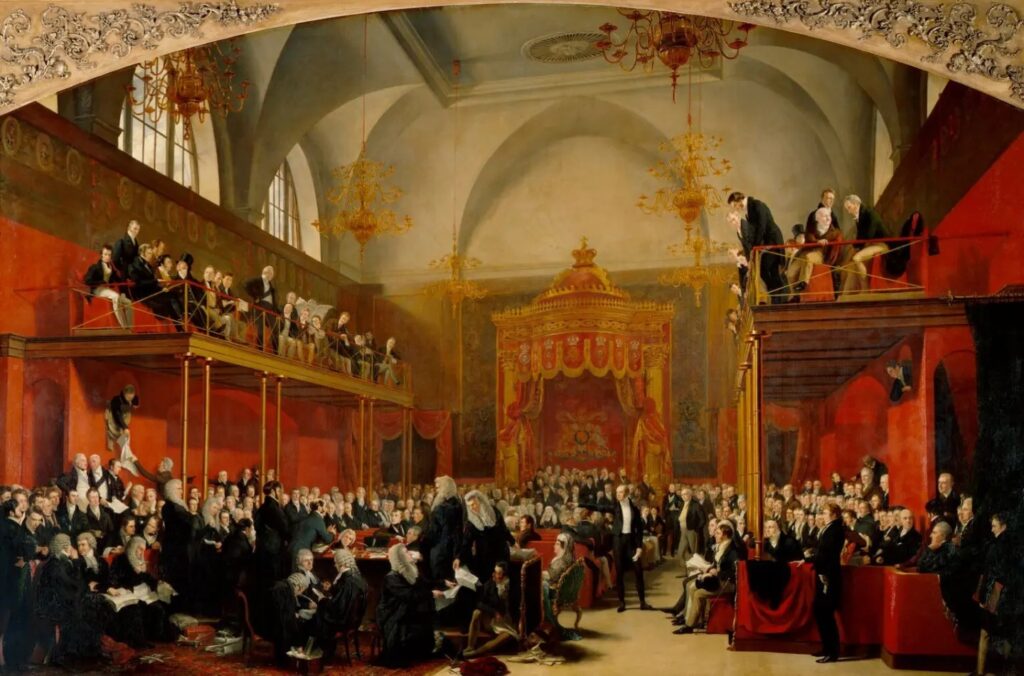
House of Lords reform: a Victorian perspective
Unlike the House of Commons, which underwent major ‘democratic’ reform in the 19th century, the Lords remained virtually unchanged during…
-
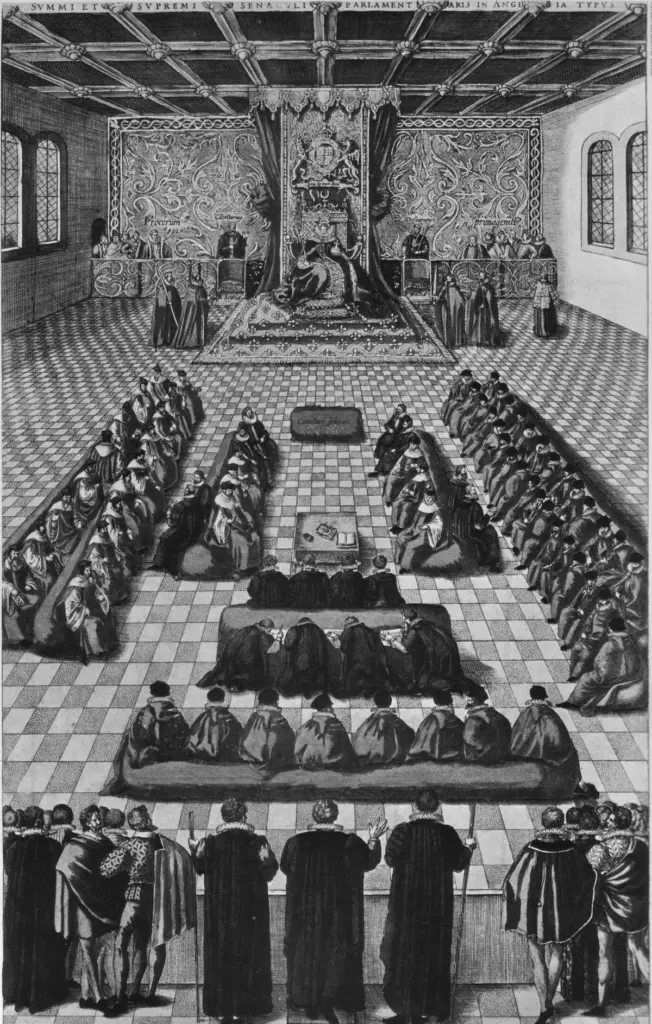
Parliament and the Church, c.1530-c.1630
In this blog, Dr Alex Beeton reviews a fascinating colloquium, held recently at the History of Parliament’s office in Bloomsbury…
-

‘A negative achievement’: Behind the scenes of the House of Lords Act 1999
Ahead of major pieces of legislation designed to reform the composition of the House of Lords, and our recent event…
-

‘The only really important public service I performed’: John Stuart Mill’s women’s suffrage amendment, 20 May 1867
Having looked at John Stuart Mill’s role in presenting the first mass petition for women’s suffrage, our colleague Dr Kathryn…