Legislative History

  • The Baronial Context of the 1641 Triennial Act

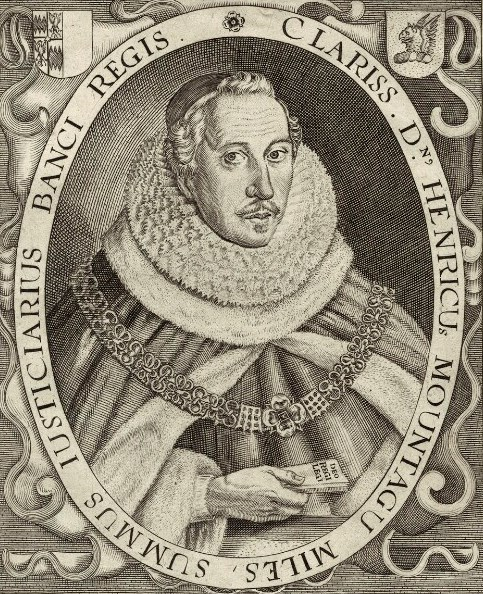
    The Baronial Context of the 1641 Triennial Act

    Dr David Scott, Editor of the 1640-60 House of Lords section, explores the role of the peers in securing the right of Parliament to meet regularly. The Triennial Act of February 1641 was the first piece of legislation passed by…

  • ‘Abominable, unutterable, and worse than fables’: the campaign to pass the Criminal Law Amendment Bill

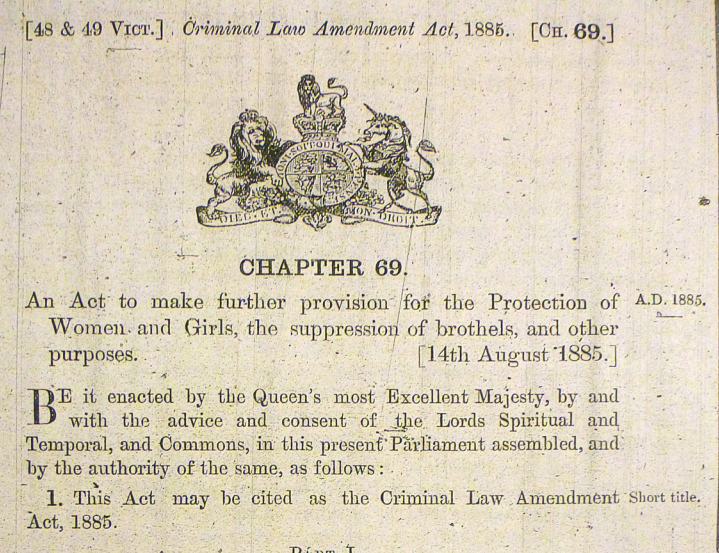
    ‘Abominable, unutterable, and worse than fables’: the campaign to pass the Criminal Law Amendment Bill

    At the IHR Parliaments, Politics and People seminar on Tuesday 11 November, Steven Spencer of Birkbeck, University of London, will be discussing the campaign to pass the 1885 Criminal Law Amendment Act. The seminar takes place on 11 November 2025,…

  • The 1832 Reform Act

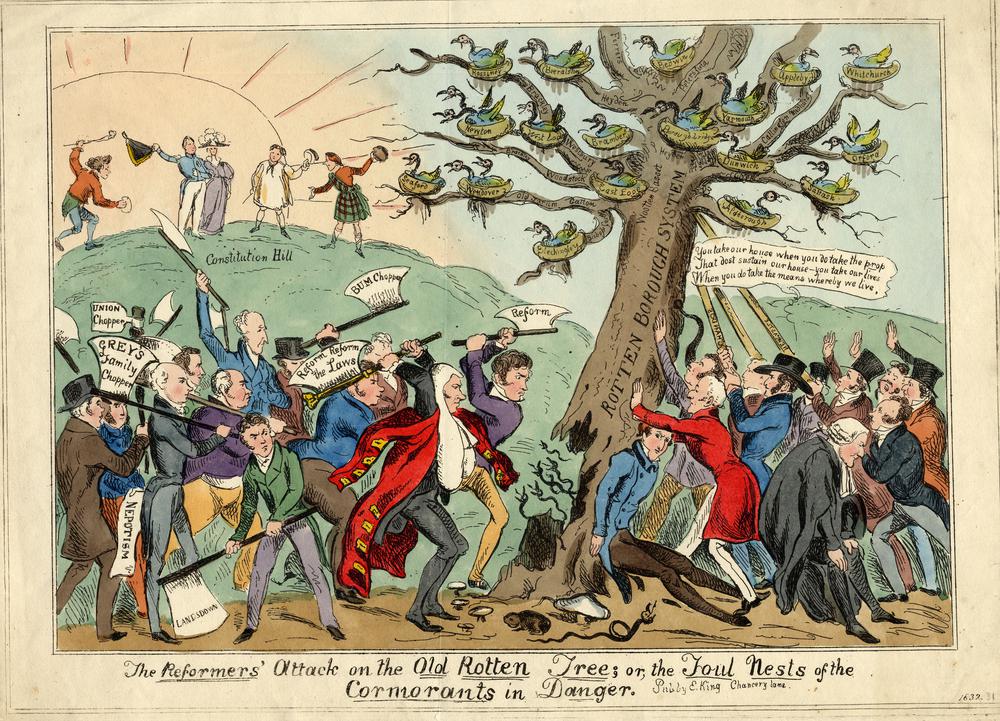
    The 1832 Reform Act

    ‘Was the 1832 Reform Act “Great”?’ may not be the standard exam question it once was, but ongoing research about the Act’s broader legacy and impact on political culture, based on new resources and analytical techniques, continues to reshape our…

  • A ‘revolution’ in electioneering? The impact of the 1883 Corrupt Practices Act

    A ‘revolution’ in electioneering? The impact of the 1883 Corrupt Practices Act

    Concluding her series on the 1883 Corrupt Practices Act, Dr Kathryn Rix of our House of Commons, 1832-1945 project looks at the long-term consequences of this major reform. In the wake of the corruption and expense of the 1880 general…

  • House of Lords reform: a Victorian perspective

    House of Lords reform: a Victorian perspective

    Unlike the House of Commons, which underwent major ‘democratic’ reform in the 19th century, the Lords remained virtually unchanged during the entire Victorian period. With a new hereditary peers bill now entering its final stages, Dr Philip Salmon explores how…

  • Parliament and the Church, c.1530-c.1630

    Parliament and the Church, c.1530-c.1630

    In this blog, Dr Alex Beeton reviews a fascinating colloquium, held recently at the History of Parliament’s office in Bloomsbury Square. In the early modern period, both England’s Church and its Parliament changed. A Catholic country split from Rome and…

  • ‘A negative achievement’: Behind the scenes of the House of Lords Act 1999

    ‘A negative achievement’: Behind the scenes of the House of Lords Act 1999

    Ahead of major pieces of legislation designed to reform the composition of the House of Lords, and our recent event ‘Reforming the House of Lords’ discussing the history of this tricky issue, Dr Emma Peplow, Head of Contemporary History, draws…

  • ‘The only really important public service I performed’: John Stuart Mill’s women’s suffrage amendment, 20 May 1867

    ‘The only really important public service I performed’: John Stuart Mill’s women’s suffrage amendment, 20 May 1867

    Having looked at John Stuart Mill’s role in presenting the first mass petition for women’s suffrage, our colleague Dr Kathryn Rix explores his continued efforts for the cause of ‘votes for women’, bringing forward an amendment on women’s suffrage as…