Factions

  • ‘Confirmation of the People’s Rights’: commemorating the ‘Glorious Revolution’ of 1688

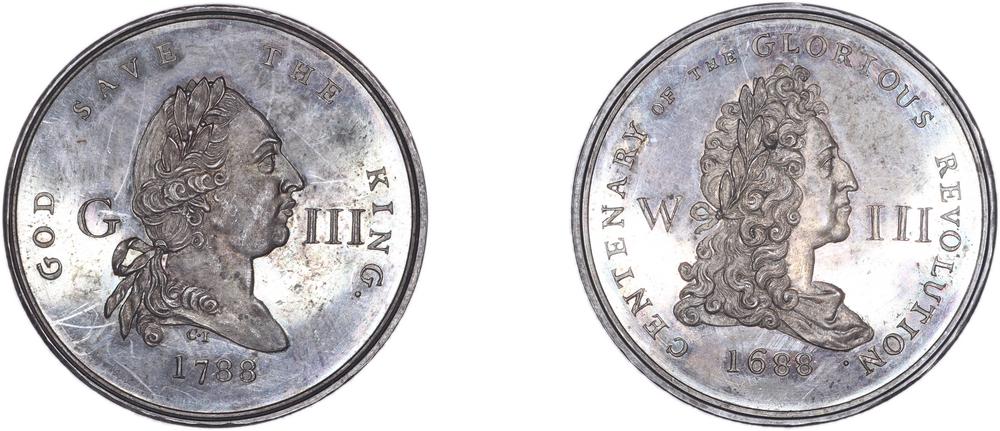
    ‘Confirmation of the People’s Rights’: commemorating the ‘Glorious Revolution’ of 1688

    For many, the beginning of November means the advent of longer nights as the year winds down to Christmas. Some may still enjoy attending firework displays marking the failure of the 1605 Gunpowder Plot. In November 1788, though, serious efforts…

  • ‘The sect of Alarmists’: The Third Party and the reluctant leadership of William Windham, 1793-4

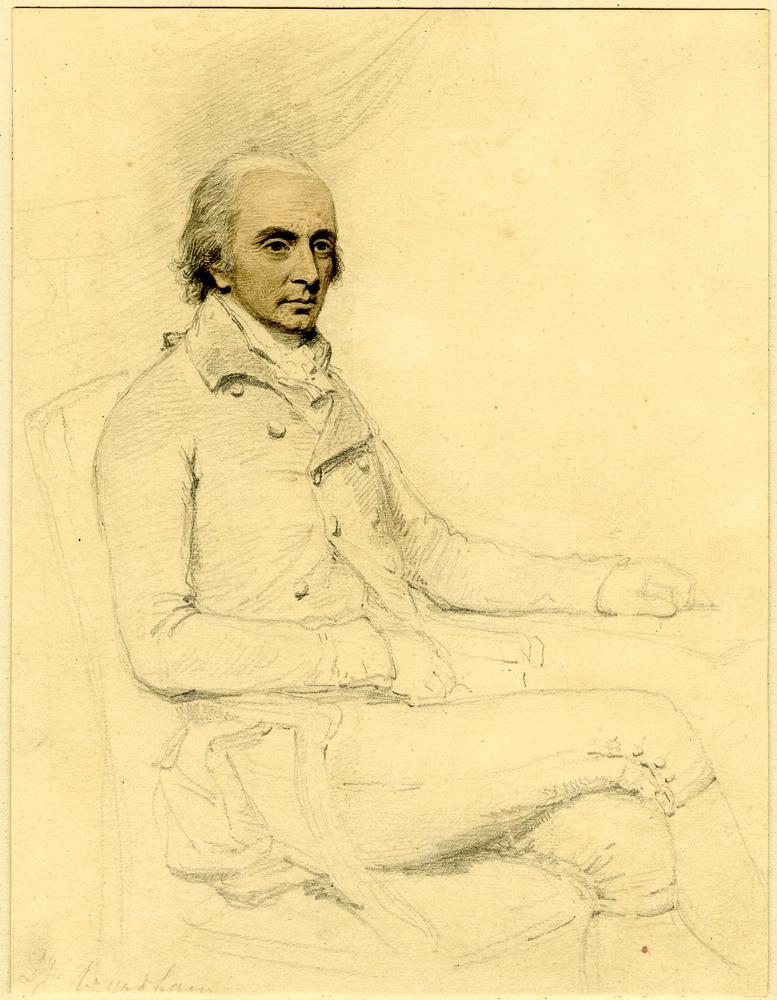
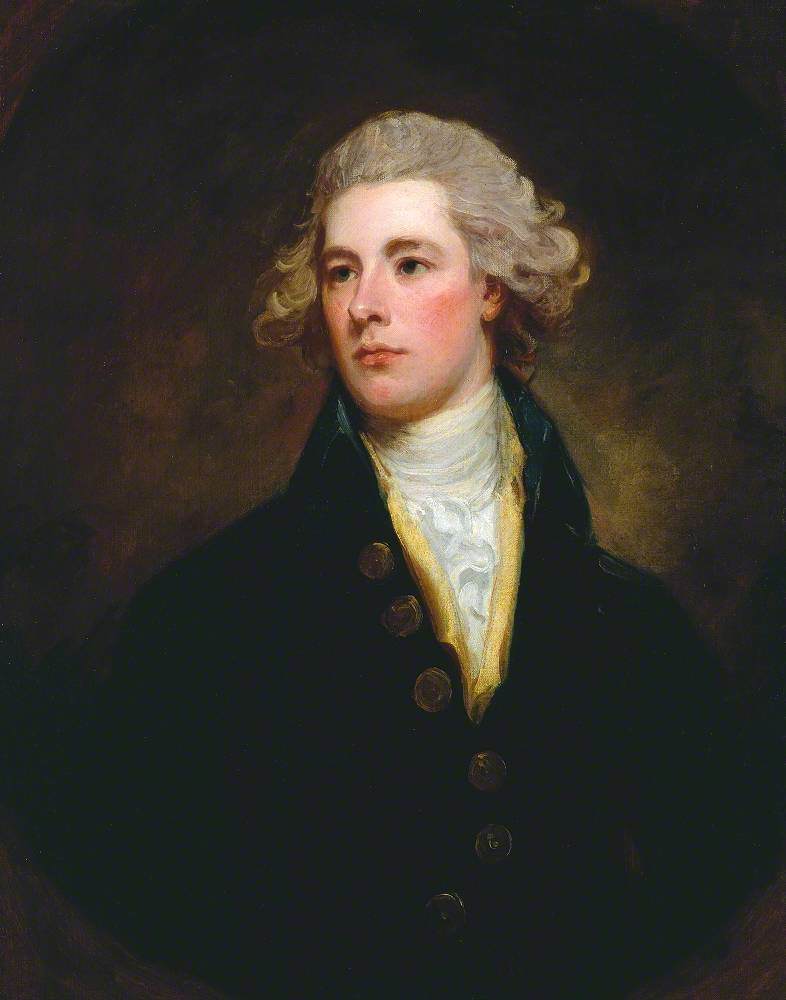
    ‘The sect of Alarmists’: The Third Party and the reluctant leadership of William Windham, 1793-4

    In this latest post, the Georgian Lords welcomes a guest article by James Orchin, PhD student at Queen’s University, Belfast, re-examining William Windham’s ‘Third Party’, known as ‘The Alarmists’. The group was mostly made up of former Foxite Whigs, who…

  • The Foxite Whig Rump

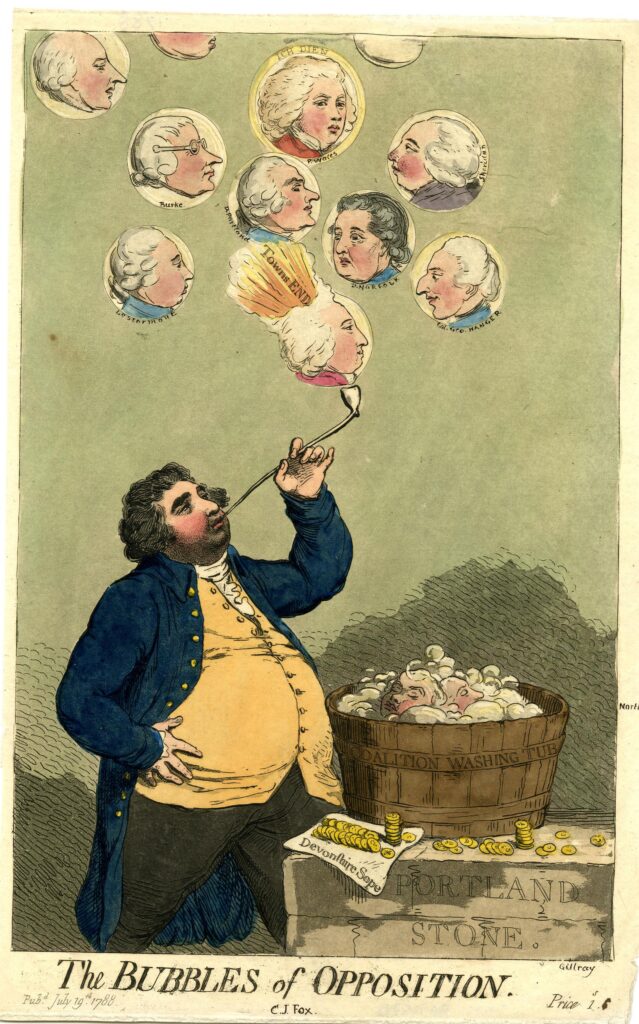
    The Foxite Whig Rump

    The death of Charles James Fox on 13 September 1806, just over eight months after that of his long-term rival, William Pitt the Younger, robbed British politics of a titan who had dominated affairs since the 1780s. And yet, in…

  • From Jockeys to Ministers: How Horse Racing Shaped Rockingham’s First Ministry

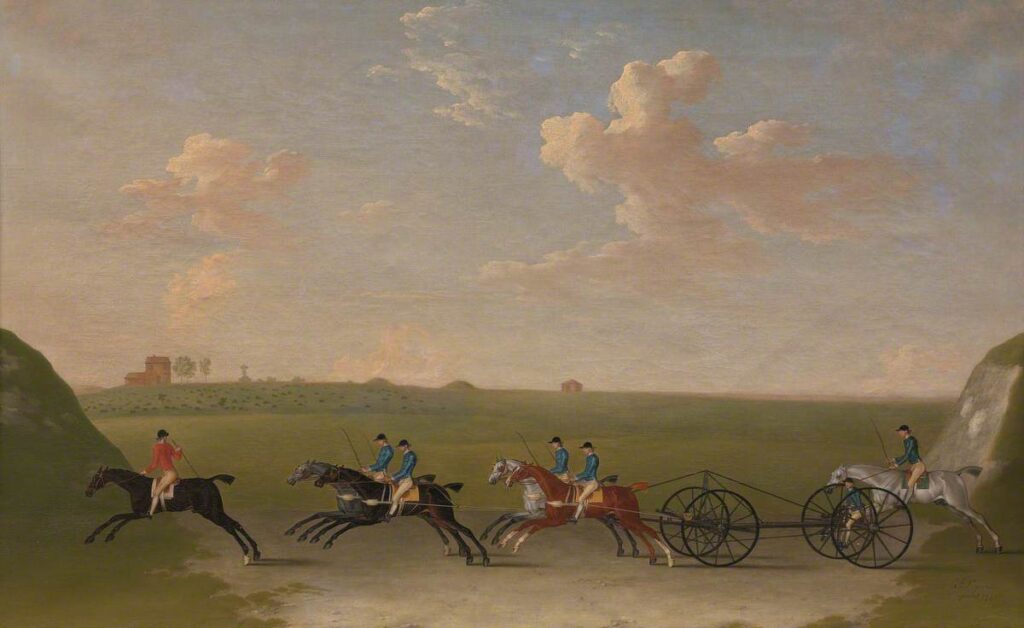
    From Jockeys to Ministers: How Horse Racing Shaped Rockingham’s First Ministry

    In the latest post for the Georgian Lords, we welcome Ioannes Chountis de Fabbri from the University of Aberdeen, who considers the importance of horse racing in the formation of the Rockingham administration of 1765. The structure of mid-eighteenth-century politics…

  • Canning’s ‘little senate’, 1798-1813

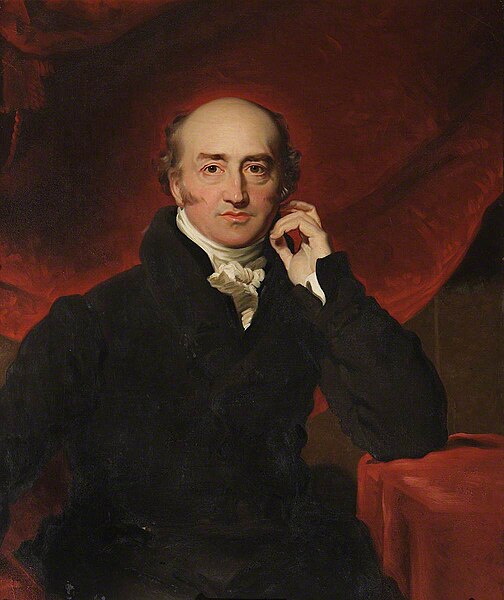
    Canning’s ‘little senate’, 1798-1813

    George Canning (1770-1827) was the most talented Member of the House of Commons of his generation, but his political career, which took him (briefly) to the pinnacle, was chequered and controversial. He entered the House in 1793 as a devoted…

  • ‘of all others most desirable’: Pitt the Younger and elections for Cambridge

    ‘of all others most desirable’: Pitt the Younger and elections for Cambridge

    From the onset of his lengthy political career, William Pitt the Younger had his eyes fixed on representing his alma mater, the University of Cambridge. Writing to his mother in July 1779, he observed that the University seat was ‘of…

  • Some thoughts on William Pulteney, earl of Bath

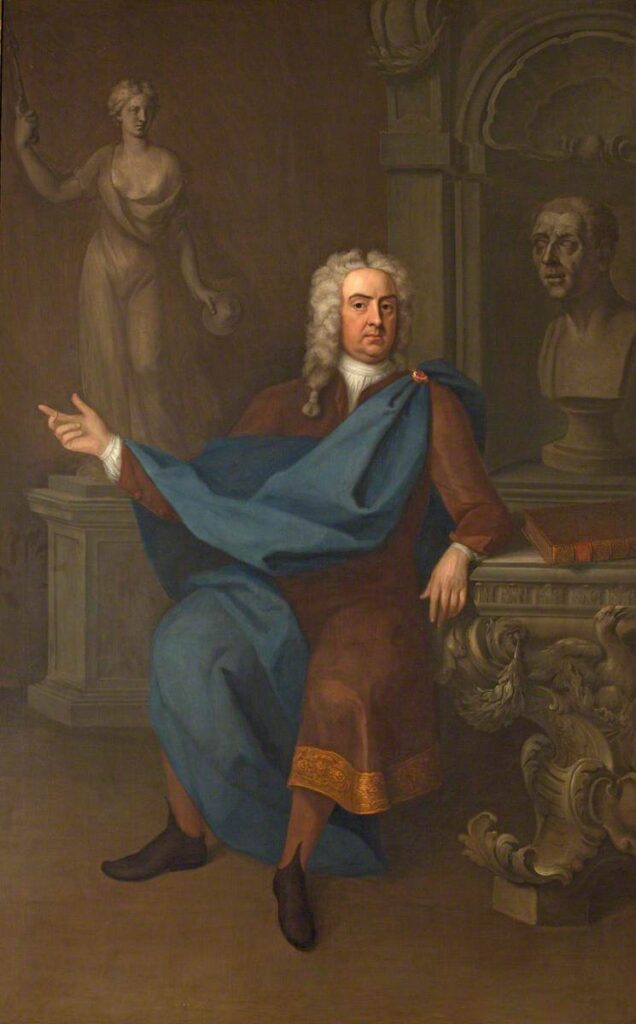
    Some thoughts on William Pulteney, earl of Bath

    The 31 May 2025 marks Dr Stuart Handley’s last day at the History of Parliament. One of his last biographies for The House of Lords, 1715-90 has been William Pulteney, earl of Bath. It will be the third History of…

  • The Last of the Jacobites: Henry Benedict

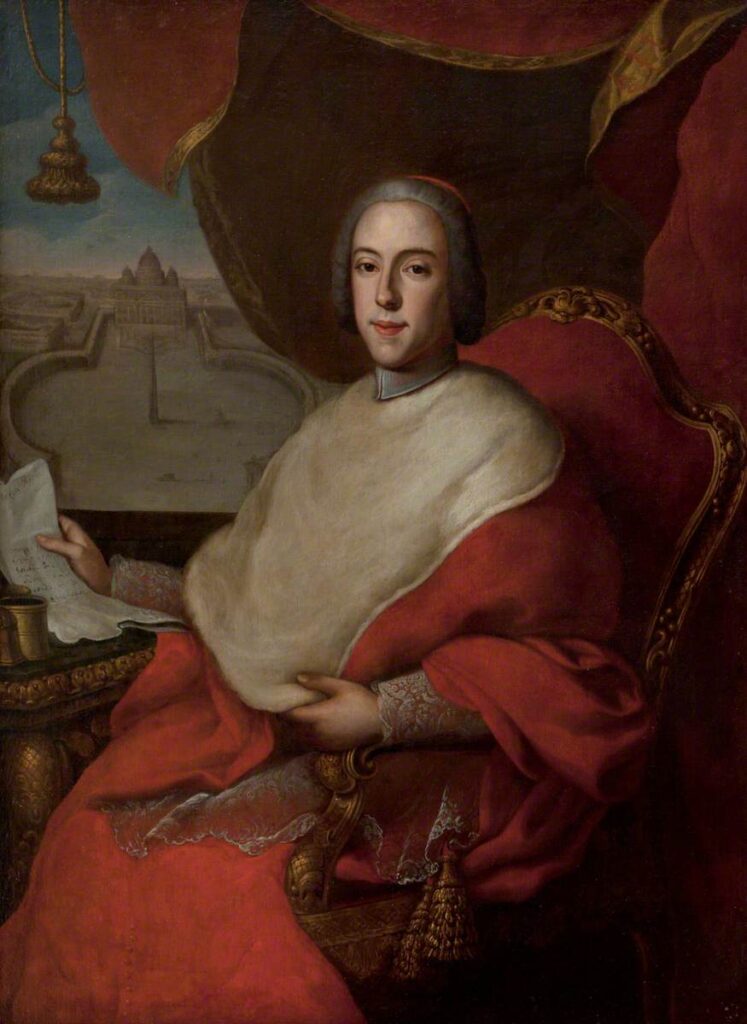
    The Last of the Jacobites: Henry Benedict

    Henry Benedict, Cardinal York (1725-1807), born 300 years ago this March, was the last member of the royal family to take an active role in a papal Conclave, when he participated in the election of Pope Pius VII at Venice…

  • ‘A Socialist Identity in Parliament’? The Campaign Group of Labour MPs, 1982-2015

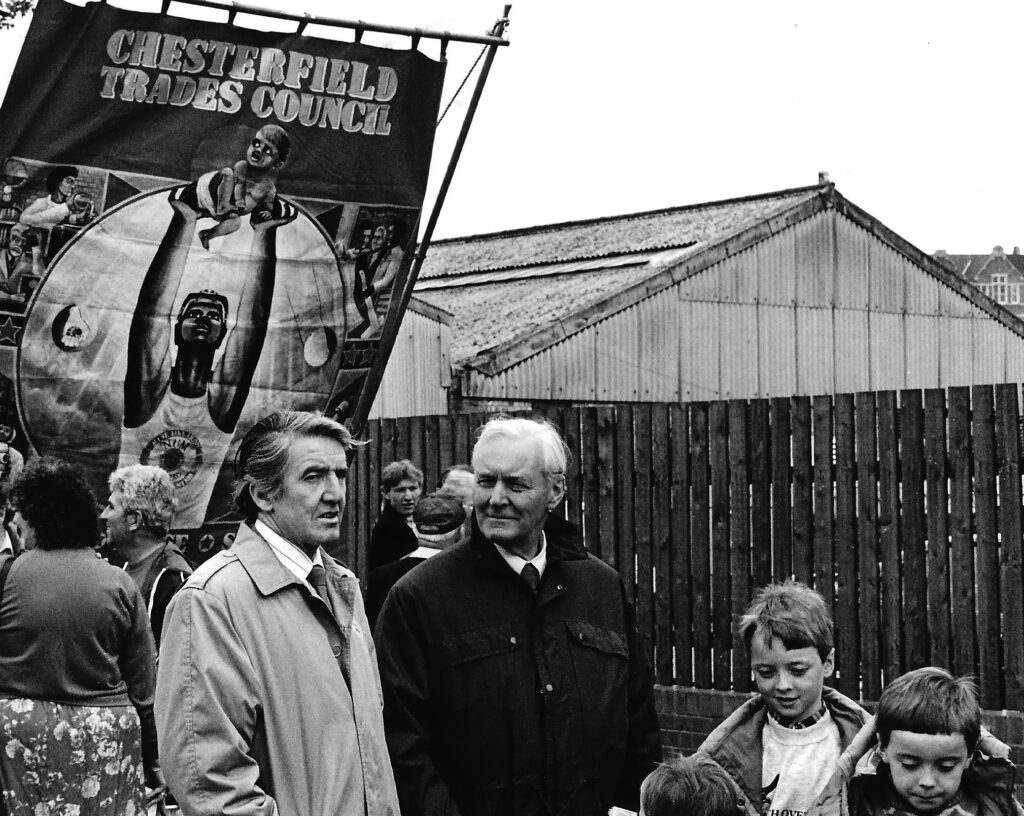
    ‘A Socialist Identity in Parliament’? The Campaign Group of Labour MPs, 1982-2015

    Ahead of next Tuesday’s Parliaments, Politics and People seminar, we hear from Alfie Steer of Hertford College, University of Oxford. On 11 February Alfie will discuss the Campaign Group of Labour MPs, 1982-2015. The seminar takes place on 11 February 2025, between…

  • Robert Burns in Edinburgh: peers, patrons, and politics

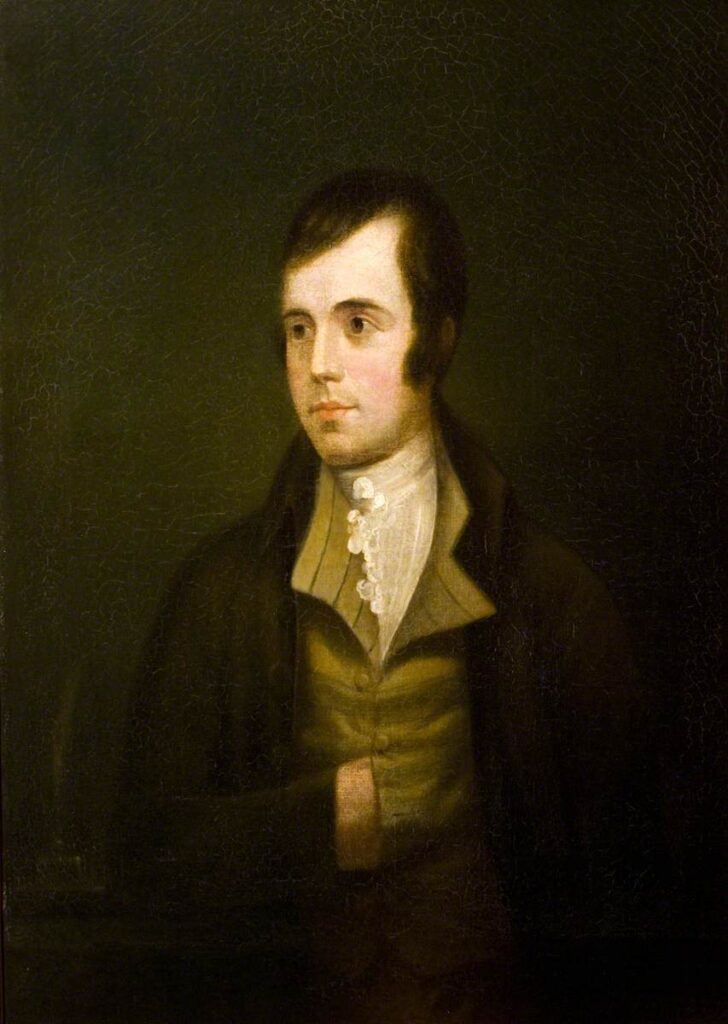
    Robert Burns in Edinburgh: peers, patrons, and politics

    In the wake of Burns Night, it is worth considering how the patronage of a small number of Scottish nobles helped Robert Burns become established as the national bard. In his latest piece for the Georgian Lords, Dr Charles Littleton,…

  • A Meddlesome Mother? Queen Charlotte and the Regency Crisis

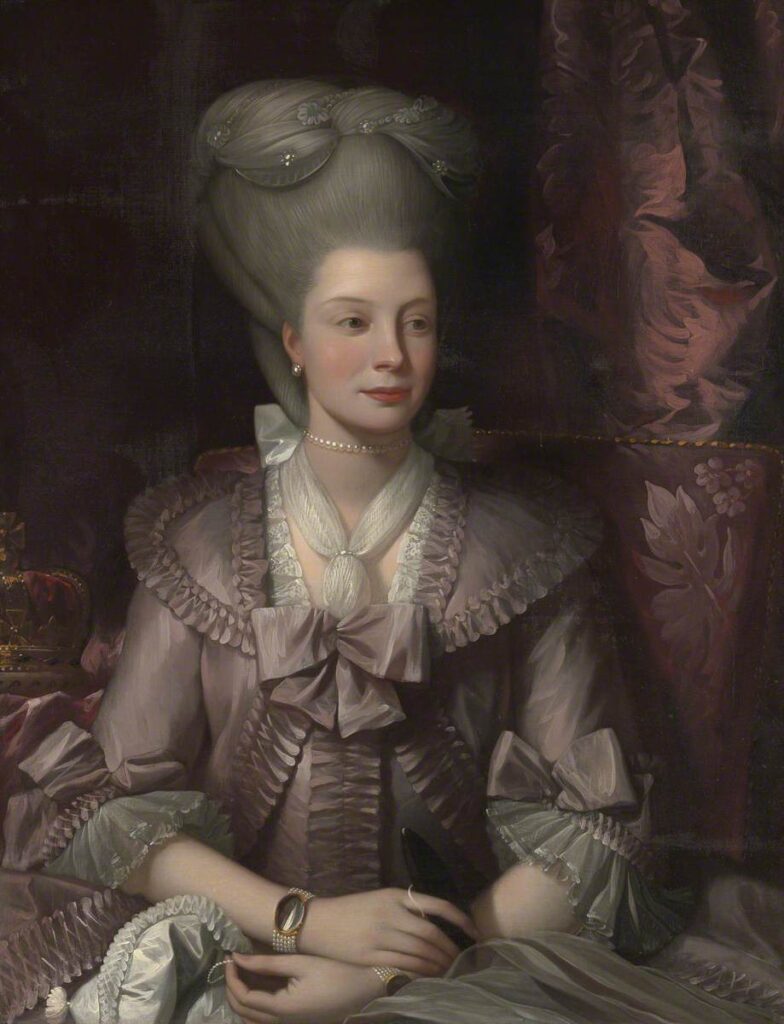
    A Meddlesome Mother? Queen Charlotte and the Regency Crisis

    In October 1788, George III fell ill with an unknown ‘malady’ which rendered him unable to fulfil his duties as sovereign: the beginning of the king’s famous ‘madness’. In the latest post for the Georgian Lords, we welcome Dr Natalee…

  • The day Parliament was invaded

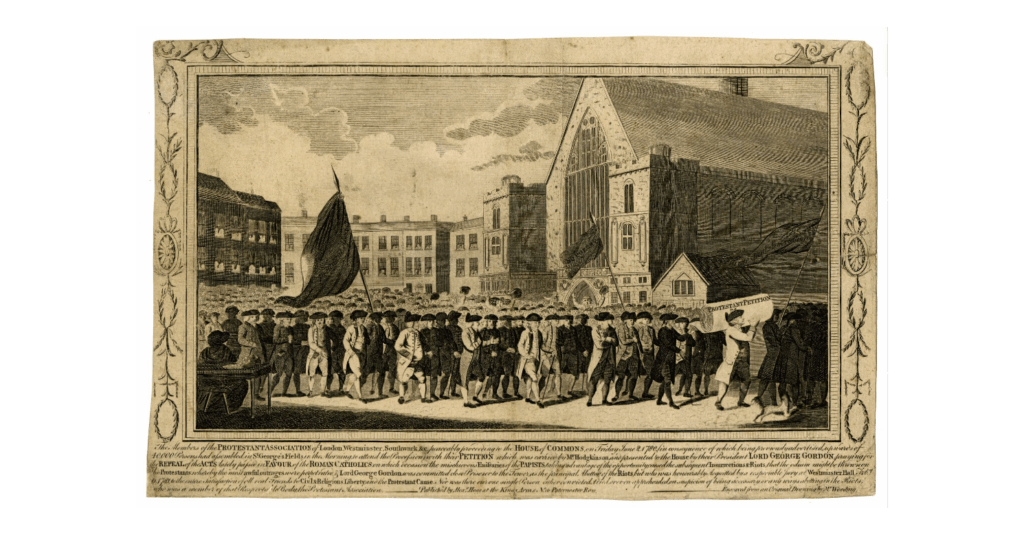
    The day Parliament was invaded

    In the summer of 1780 London, and several other cities across England, experienced some of the worst rioting they had seen in a generation, following the presentation of a petition to Parliament calling for the repeal of the Catholic Relief…