
Elections
-
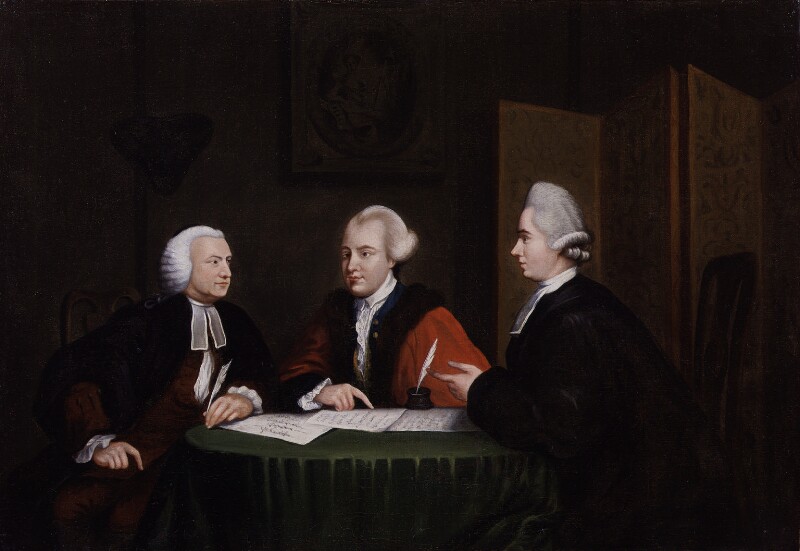
Breaking the Political Mould: a new 18th-century political party
With a multiple of parties vying for your vote in the 2024 General Election, the Whig and Tory monopoly of…
-
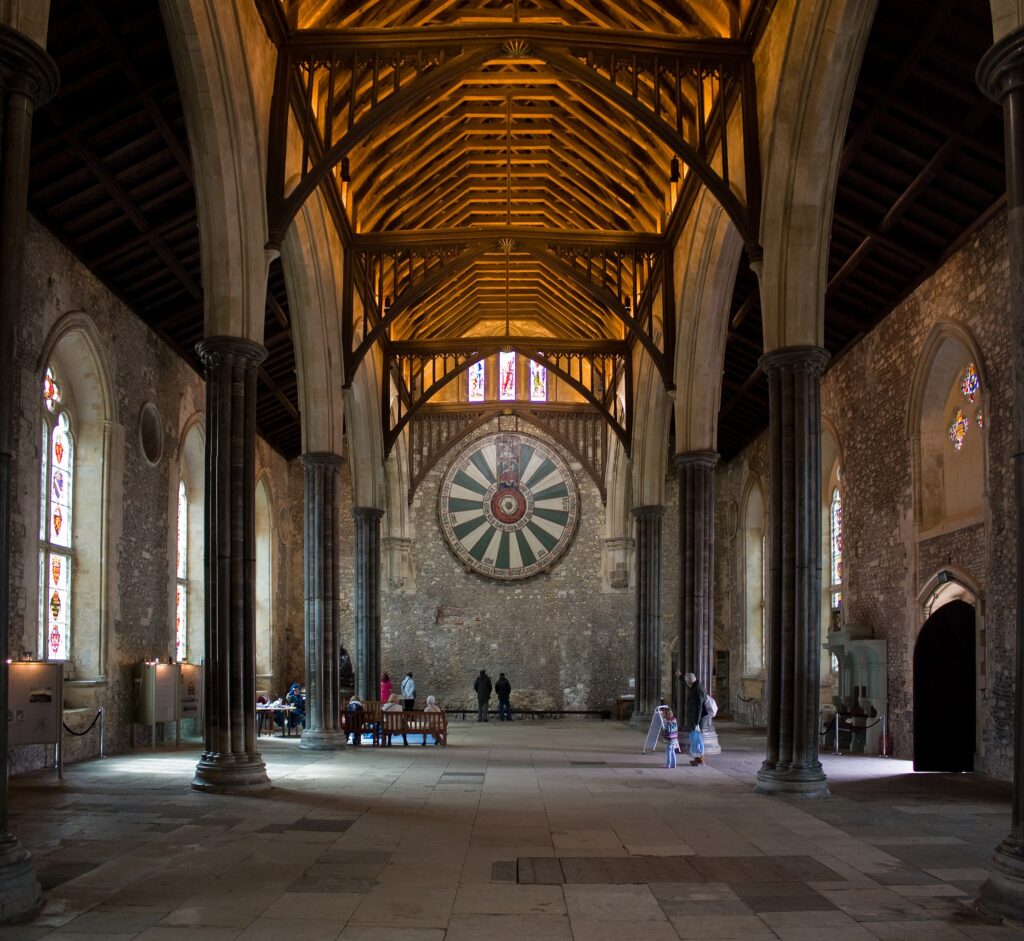
Winchester v. Winchester: rivalries and election-rigging in 1560s Hampshire
Whatever the outcome of a modern election, the process of voting is predictable, reliable, and well-understood. However, in the sixteenth…
-
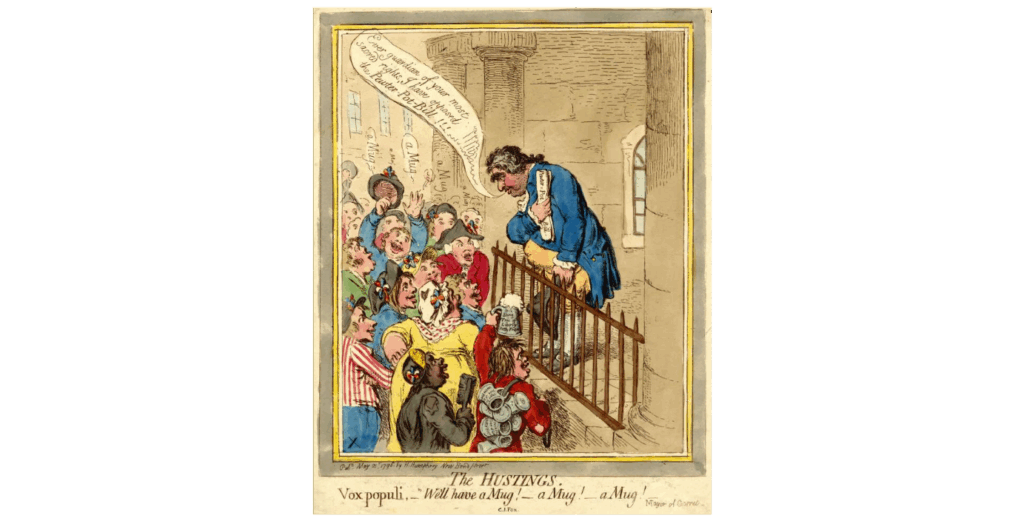
Hustings and leadership debates 18th-century style
Leadership debates, as experienced in modern elections, were not a feature of 18th-century contests. However, as Dr Robin Eagles shows…
-
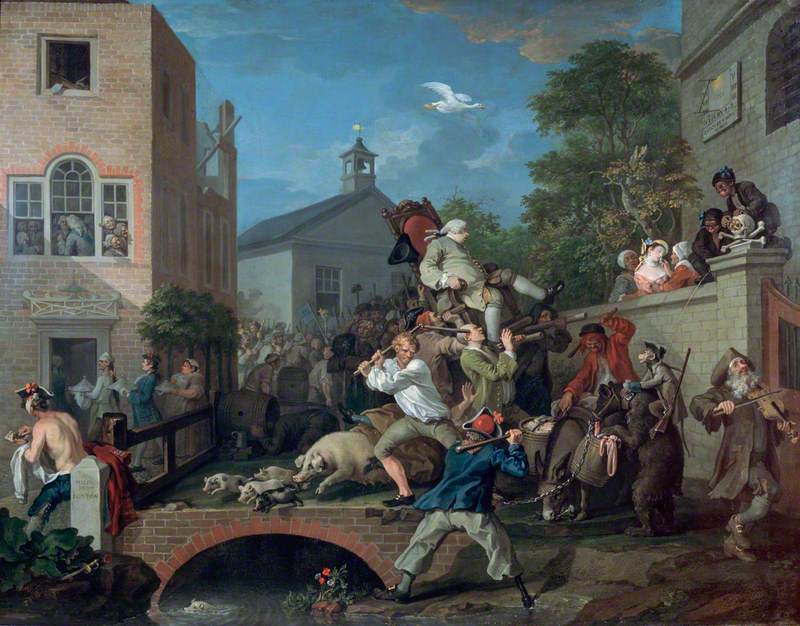
Chairing successful candidates
As the results of the 2024 General Election start to come in, successful candidates will have different ways to celebrate…
-
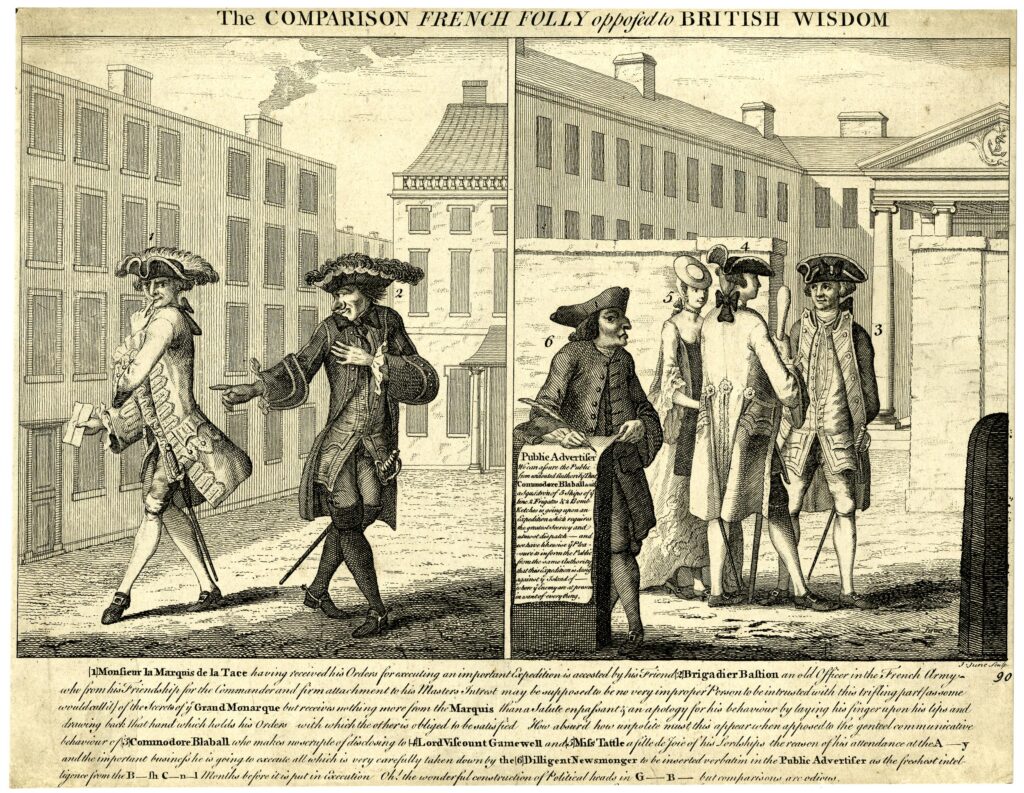
‘Abuse and scurrility’? Press reporting of 18th-century elections
As newspapers and television broadcasts continue to be filled with daily news from the 2024 General Election, in today’s blog…
-
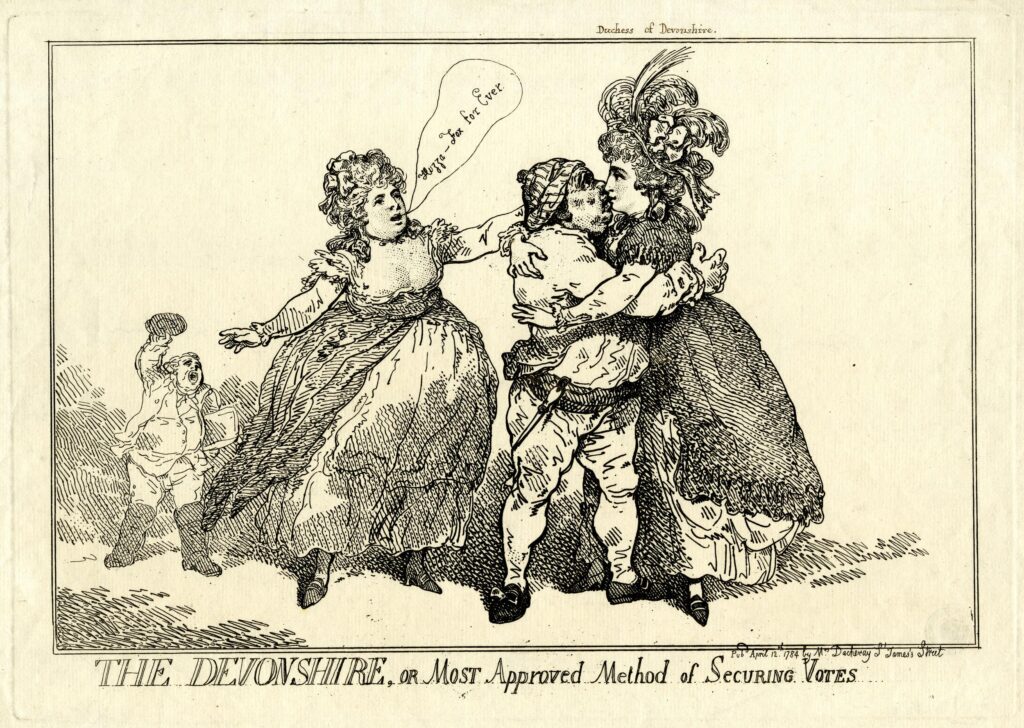
The ups and downs of a London election: examining London poll books
As pollsters look for constituencies across the country to act as representatives of how the wider nation may vote in…
-
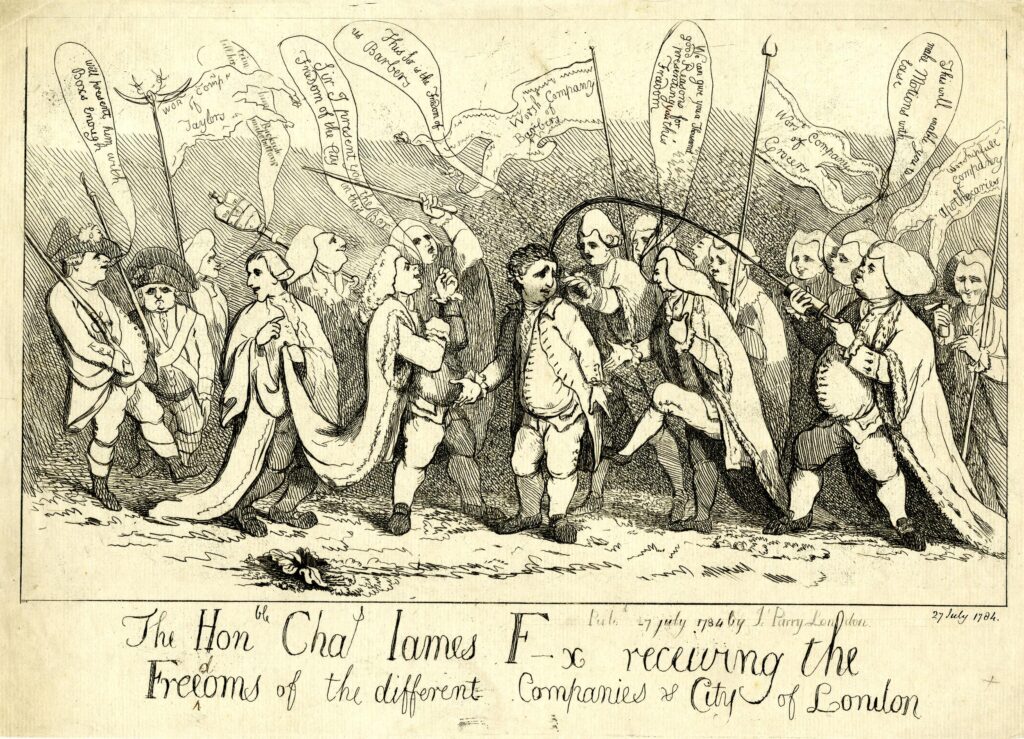
Political Grandstanding in the 18th Century
In an age of social media and immediate news coverage, publicity opportunities have become a central part of political strategy-…
-

Parliamentary Elections in the Fifteenth Century
As the UK prepares to go to the polls for the 2024 General Election, modern politicians continue their campaigns across…
-
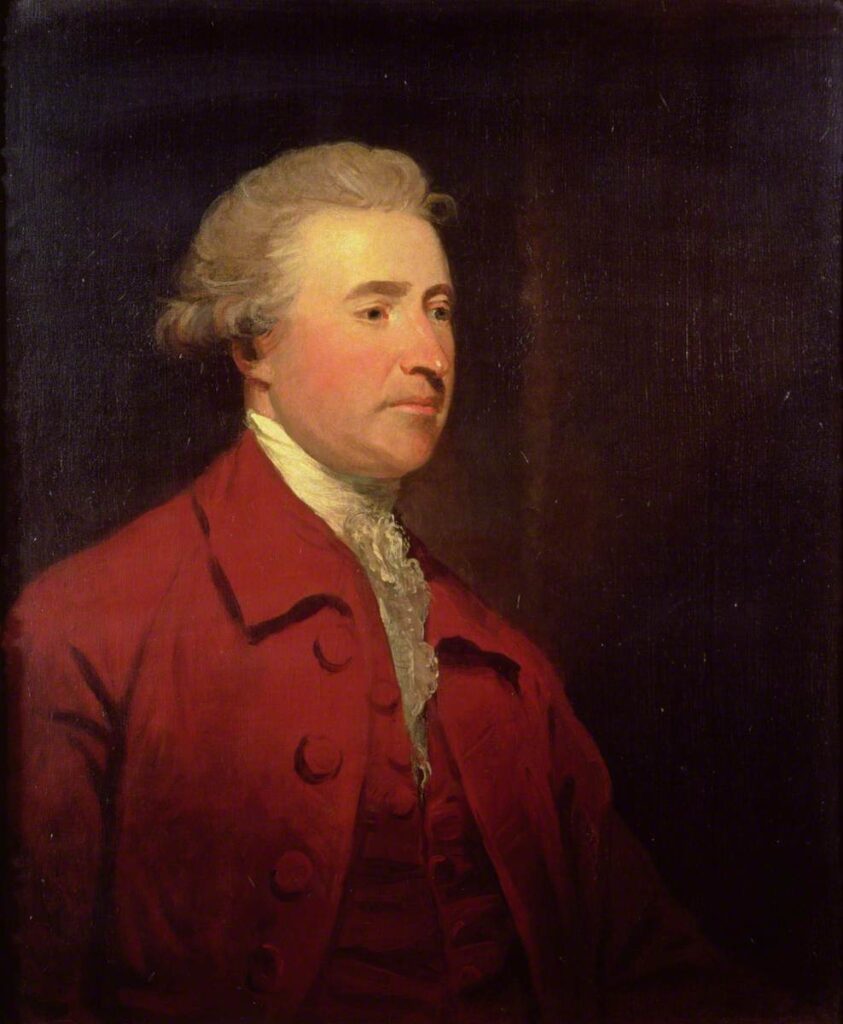
To reform or not to reform: Party manifestos
As many modern political parties announce their manifestos this week Dr Robin Eagles from our House of Lords 1715-1790 project…
-
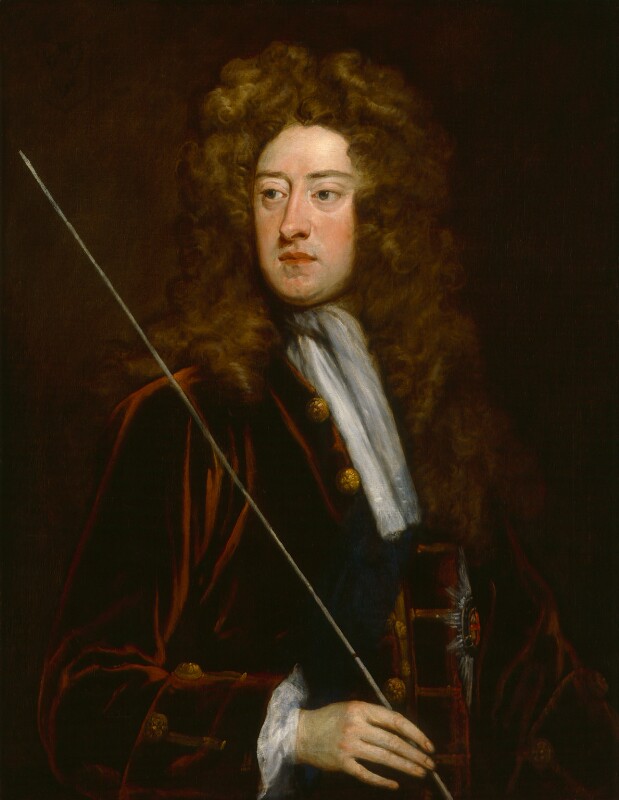
The rules governing lengths of parliaments in the 18th century
Despite all of the political events of recent years, the upcoming General Election is the first time that the nation…
-
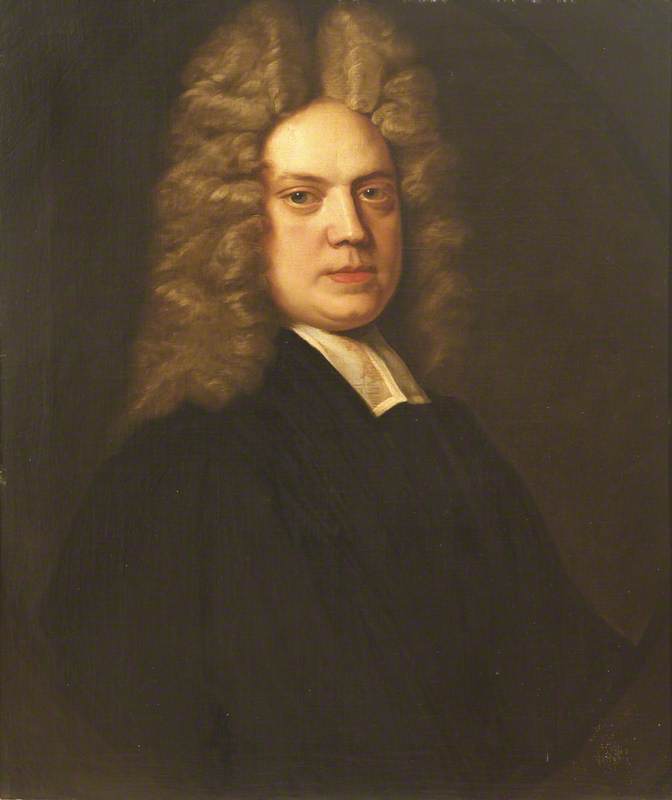
Two anniversaries, two impeachments and an election
In 2024 the tercentenaries of the deaths of two important 18th-century figures the fell within weeks of each other. Dr…
-
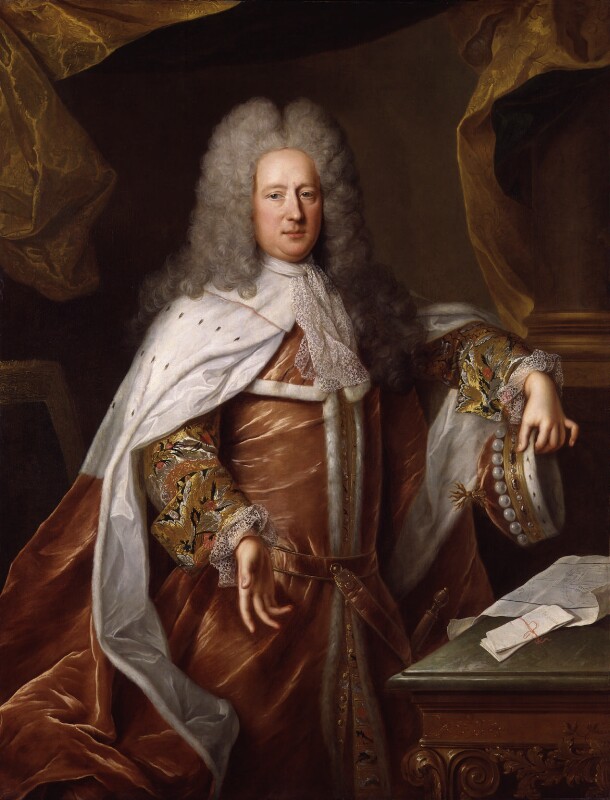
Tory to Whig and back again
In recent weeks the factional nature of political parties has become apparent, with previous members speaking out against their leaders…