
Constituencies
-
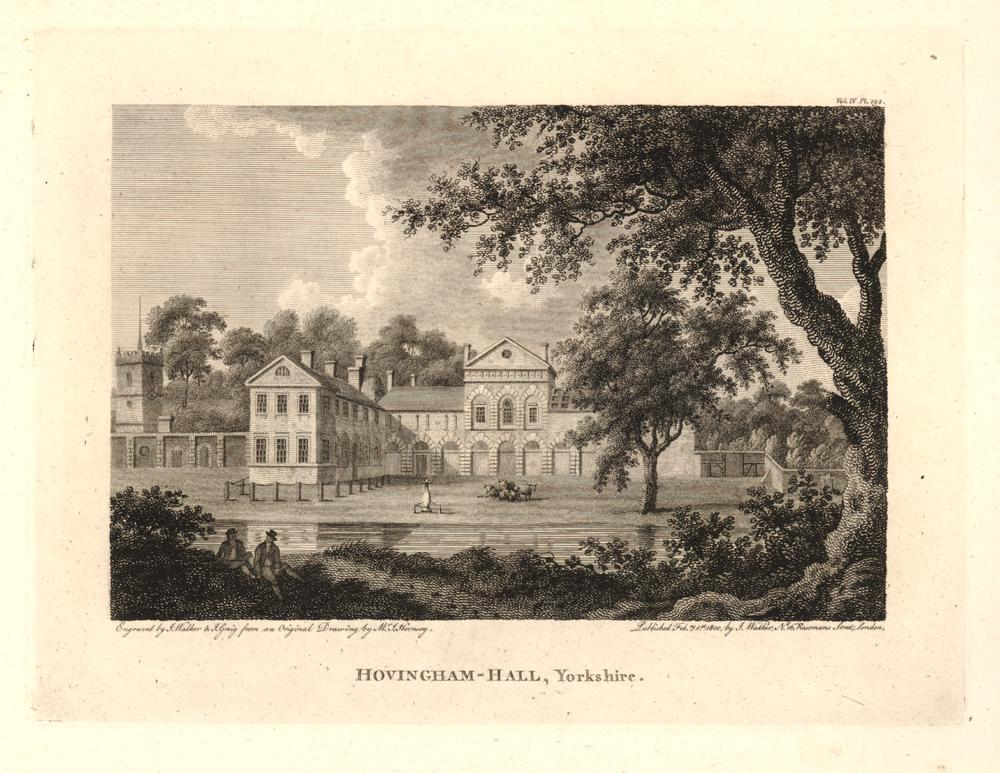
Descended from a giant: the Worsleys of Hovingham
The recent death of HRH the Duchess of Kent, who was married to the late queen’s cousin at York Minister…
-
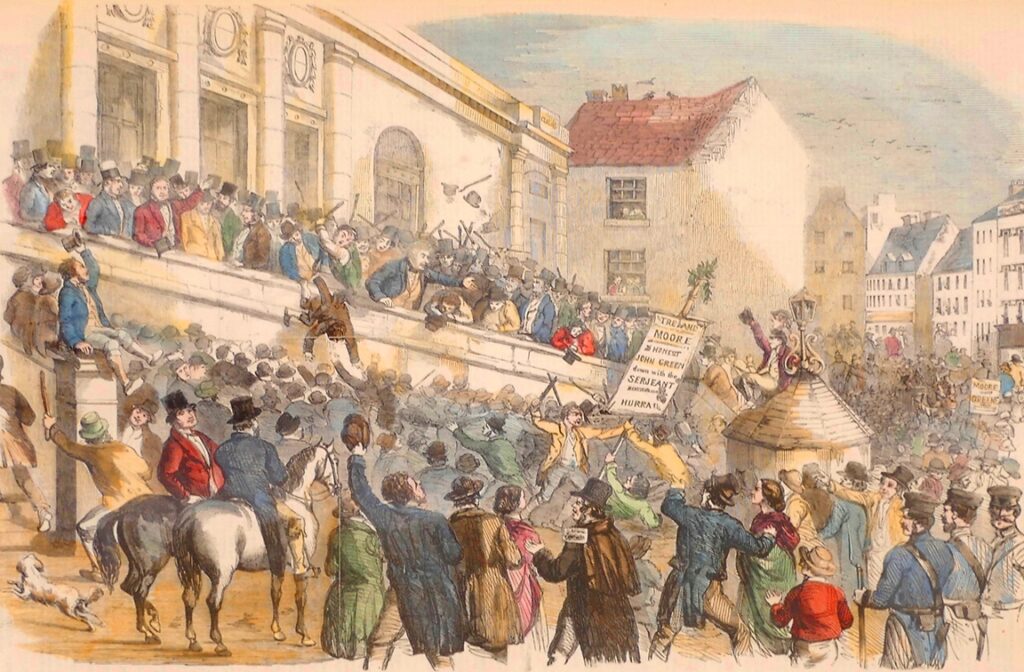
The 1872 Secret Ballot and Multiple Member Seats
In this post about the introduction of the ballot in UK elections, based on a seminar talk (click here to…
-
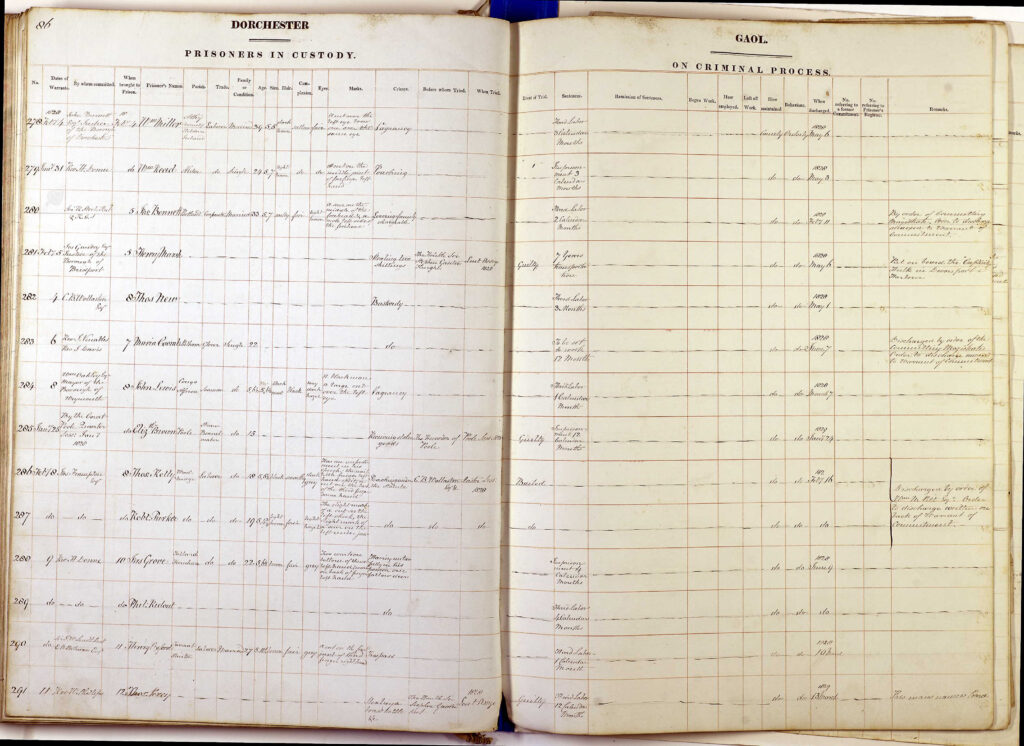
John Lewis: A Black Sailor at the 1828 Weymouth By-Election
In this guest article Dr Joe Cozens discusses his research into John Lewis, a Black sailor who was arrested during…
-
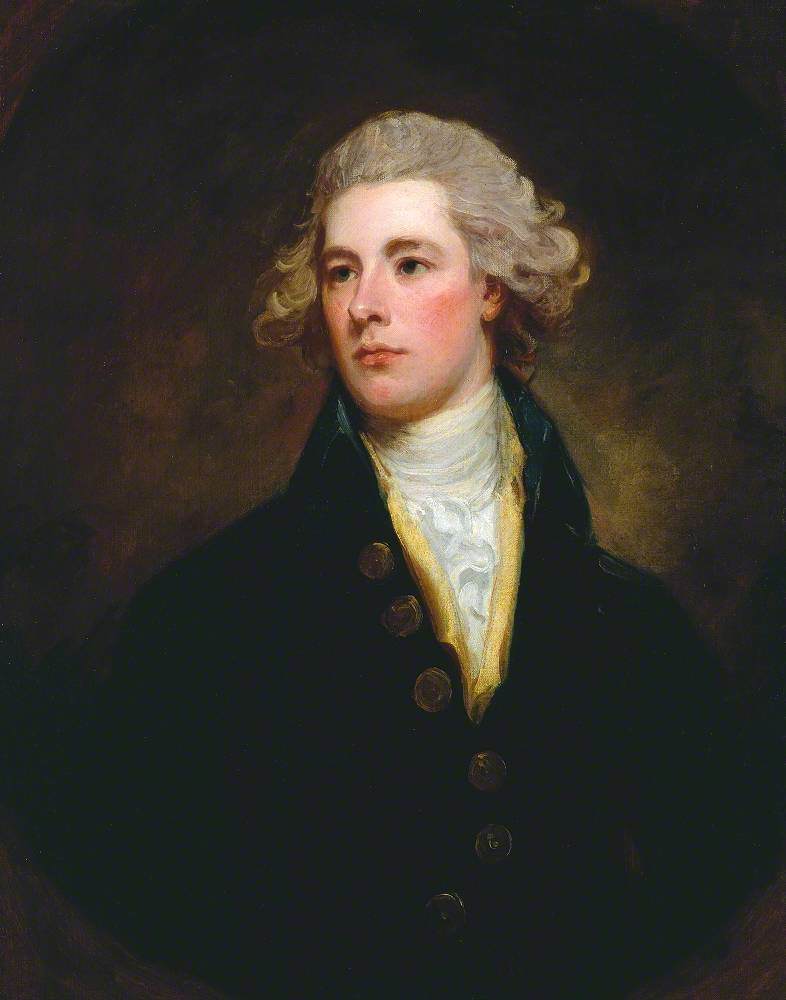
‘of all others most desirable’: Pitt the Younger and elections for Cambridge
From the onset of his lengthy political career, William Pitt the Younger had his eyes fixed on representing his alma…
-
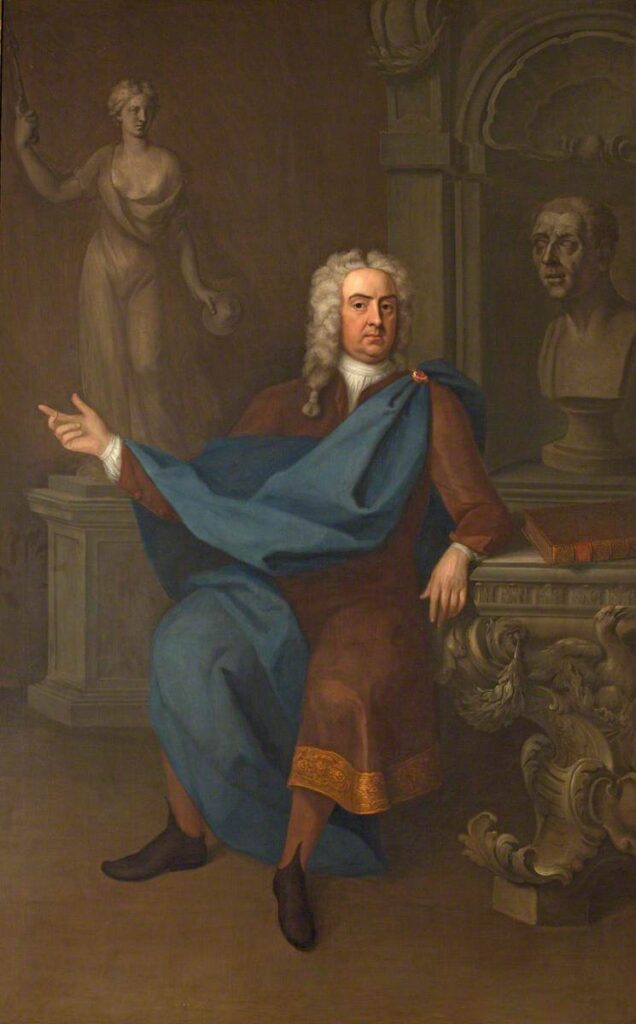
Some thoughts on William Pulteney, earl of Bath
The 31 May 2025 marks Dr Stuart Handley’s last day at the History of Parliament. One of his last biographies…
-

Conscience versus constituency: the dilemma facing Henry Charles Sturt MP
On the anniversary of his death on 14 April 1866, Dr Philip Salmon of the Victorian Commons reflects on the…
-

Richard Cobden and his constituencies
In this guest post, originally published on the Victorian Commons website, Professor Simon Morgan of Leeds Beckett University, the principal investigator…
-

The impact of the 1883 Corrupt Practices Act: the York by-election
Continuing her series on the 1883 Corrupt Practices Act, Dr Kathryn Rix looks at its impact on electioneering, focusing on…
-
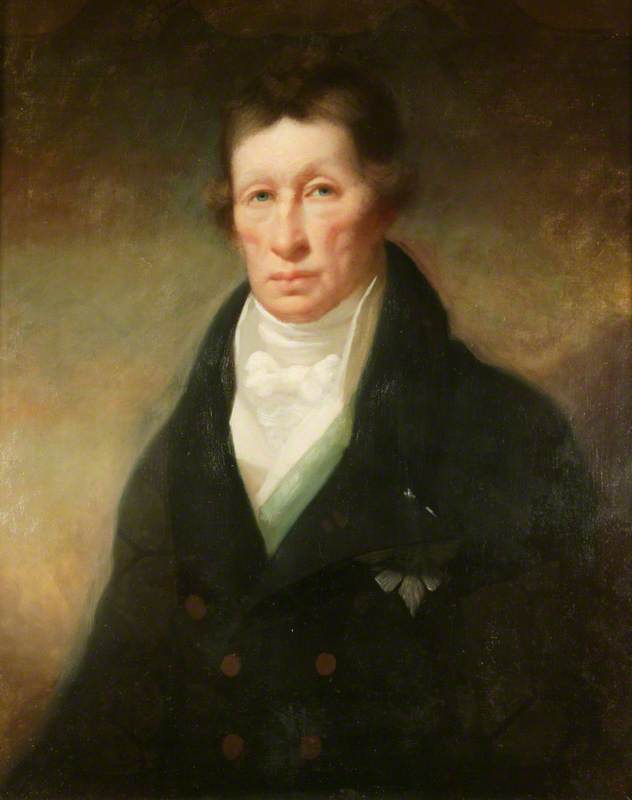
Did you know, Lord George Gordon had two brothers?
In his latest post for the Georgian Lords, Dr Stuart Handley looks into the family of the notorious Lord George…
-

A disputed election in the wake of the battle of Bosworth: the Shropshire election of 1485
Following the battle of Bosworth and Henry Tudor’s accession to the English throne, the country’s gentry who had sided with…
-

The power of the (silk) purse: electioneering in nineteenth-century Macclesfield
In today’s blog Dr Kathryn Rix, assistant editor of our House of Commons, 1832-1868 project, takes a local history look…
-

‘Better affected to Mars and Neptune, than to Mercury’: docks, diversity and the representation of Portsmouth in the civil wars and interregnum
In our latest blog Dr Vivienne Larminie, assistant editor of our Commons 1640-1660 project, continues our local history look at…