
Robert Walpole
-
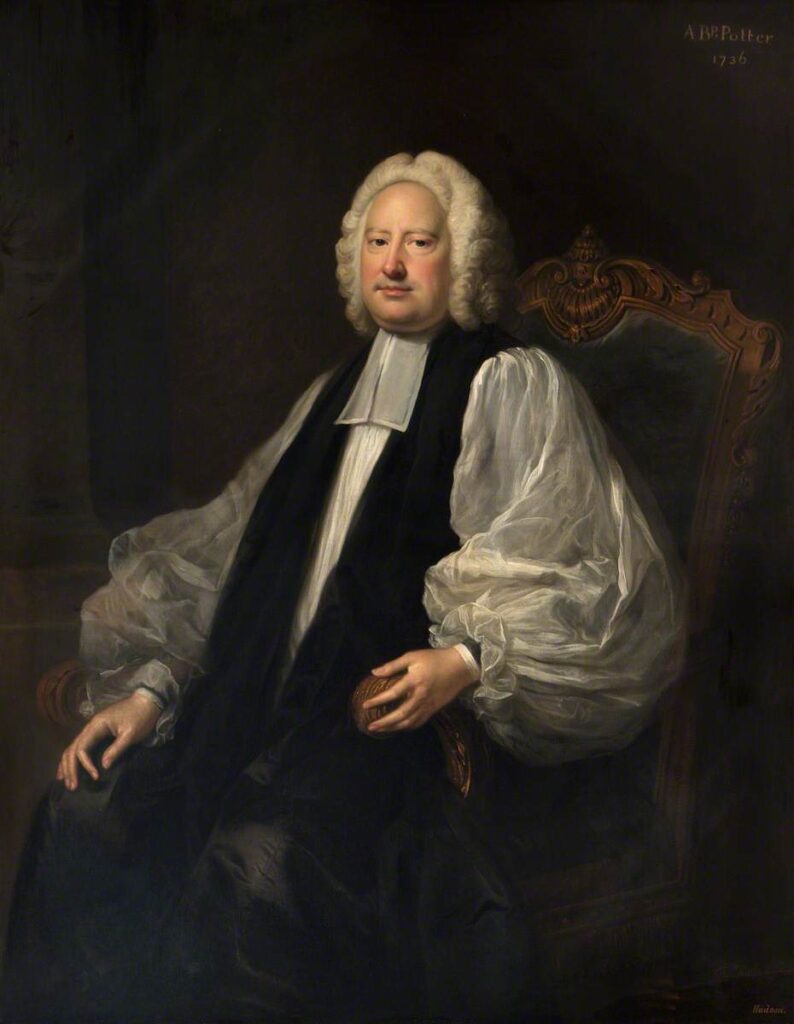
John Potter, an unusual Archbishop of Canterbury
In the latest blog for the Georgian Lords, Dr Robin Eagles examines the career of one of the lesser known…
-
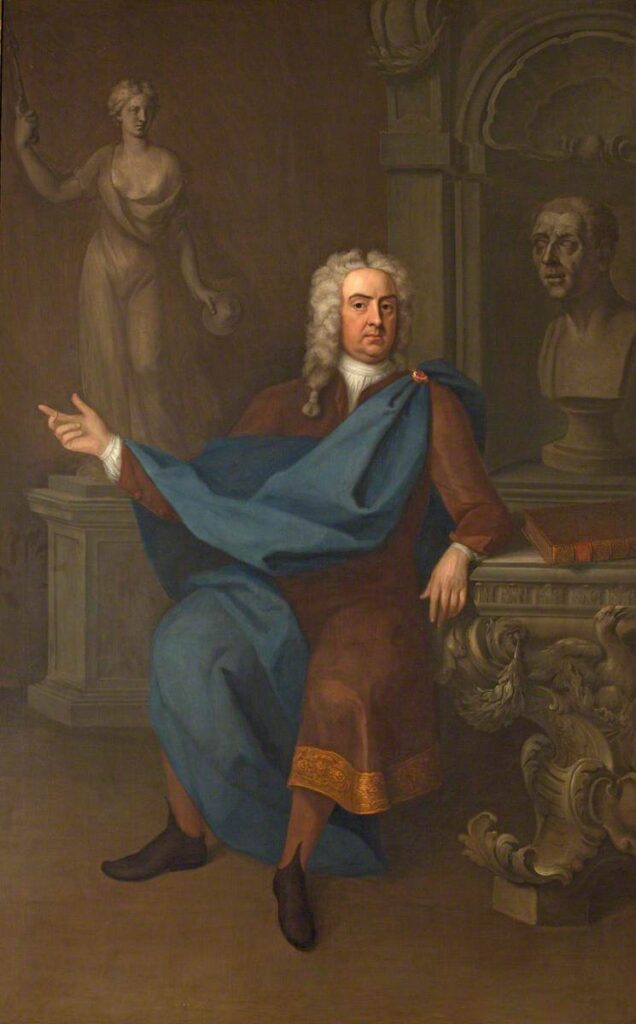
Some thoughts on William Pulteney, earl of Bath
The 31 May 2025 marks Dr Stuart Handley’s last day at the History of Parliament. One of his last biographies…
-
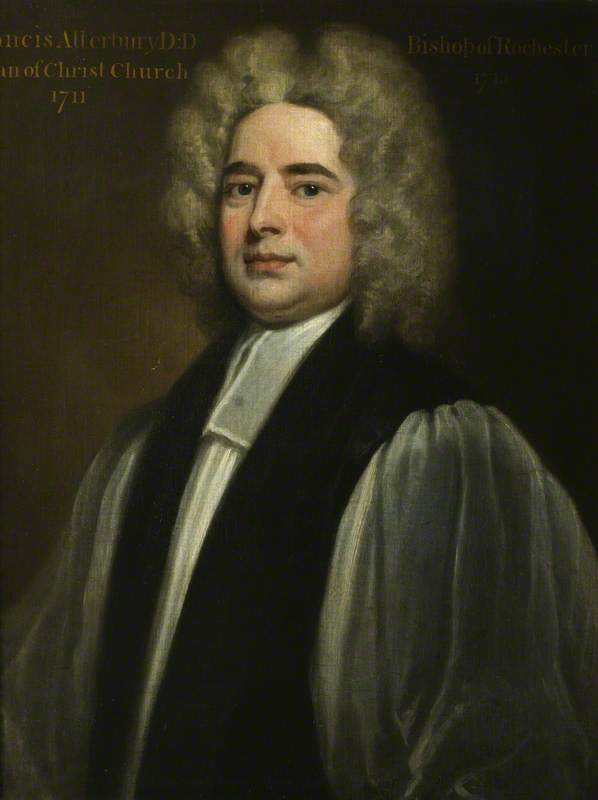
Of Pretenders and Prime Ministers: Robert Walpole and the Atterbury Plot 300 years on
As 2022 draws to an end Dr Charles Littleton considers the tercentenary of the Atterbury Plot, the failed plan for…
-

“From wickedness or from weakness”: the beginning of the end for Sir Robert Walpole
During July we welcomed year 12 student Thomas O’Donoghue to the History of Parliament office, to carry out a work…
-
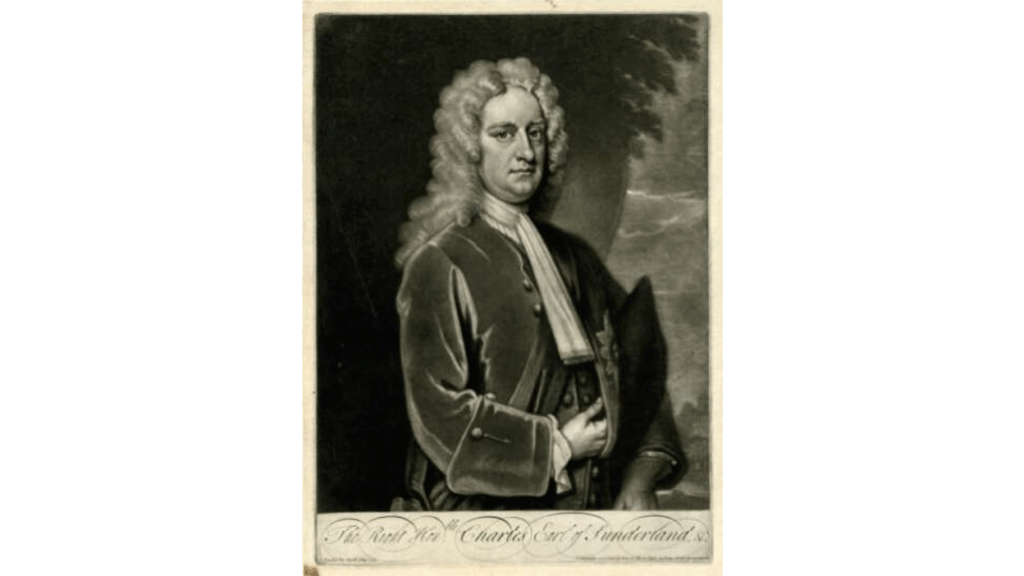
The true premier? Charles Spencer, 3rd earl of Sunderland
300 years ago, on 19 April 1722, Charles Spencer, 3rd earl of Sunderland, Walpole’s rival for the premiership, died following…
-

Comings and goings: the other houses of Downing Street
Previously on the History of Parliament blog we looked into the history of No.10 Downing Street, the famous residence of…
-

Seven Jobs for Seven Brothers: The case of Bishop Reynolds of Lincoln
In the latest blog for the Georgian Lords, Dr Stuart Handley considers the case of Bishop Reynolds of Lincoln, one…
-

A family affair? Sir Robert Walpole and the ‘Robinocracy’, 1721-1742
April 3 marks the 300th anniversary of Robert Walpole becoming first lord of the treasury and, with it, assuming the…
-

From Chicken House to Palace: 10 Downing Street in the 18th century
In February 1742, Sir Robert Walpole, newly ennobled as earl of Orford quit 10 Downing Street for the last time.…
-
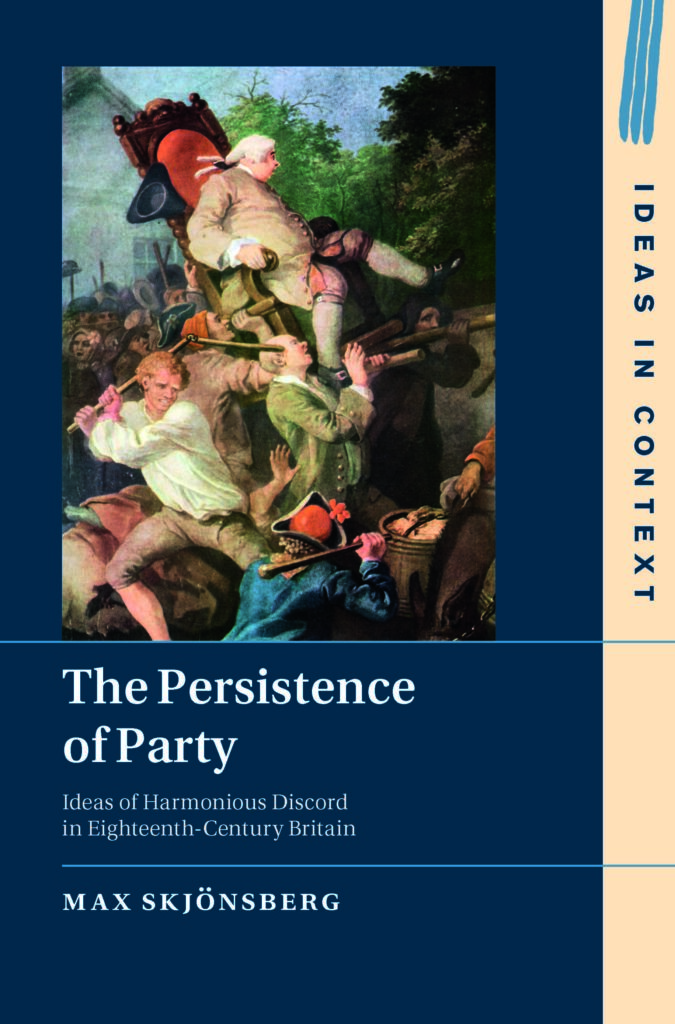
Party in Eighteenth-Century Politics
Ahead of next Tuesday’s Virtual IHR Parliaments, Politics and People seminar, we hear from Dr Max Skjönsberg, of the University of…
-
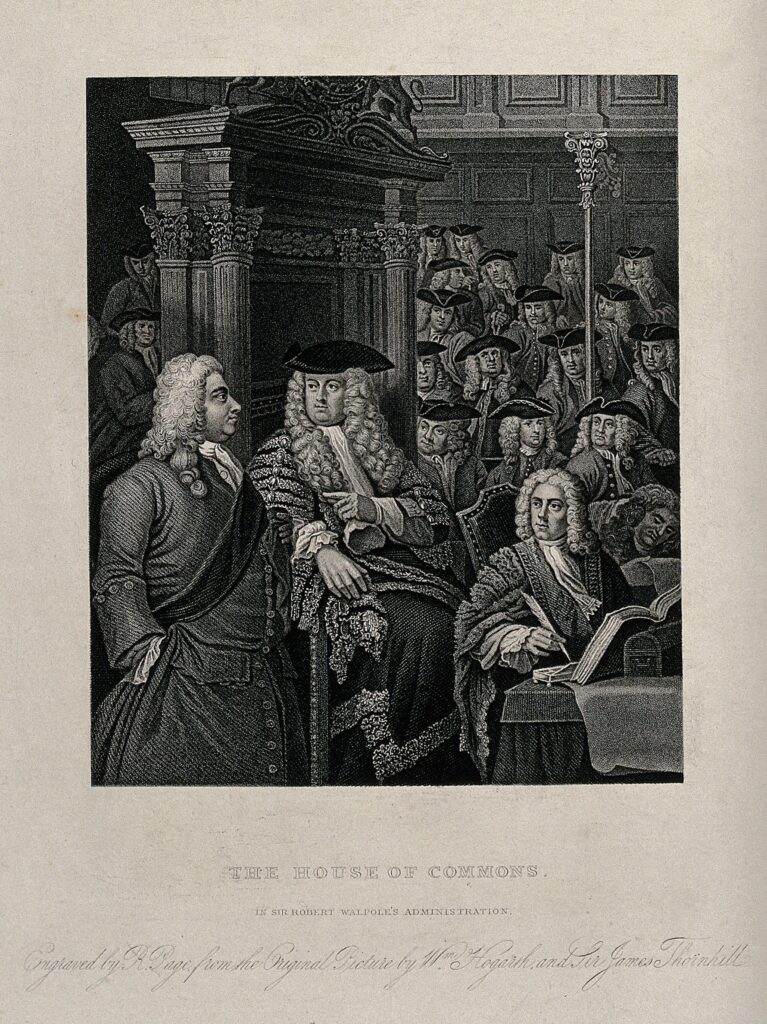
Friends reunited? The end of the Whig Schism
In the summer of 1720 a schism that had divided the Whig Party into competing factions was finally healed. Dr…
-

A Trojan horse in the House of Lords? The South Sea Company and the peerage
2020 marks the 300th anniversary of one of the most spectacular stock market crashes in British history when the South…