Tudor

  • Descended from a giant: the Worsleys of Hovingham

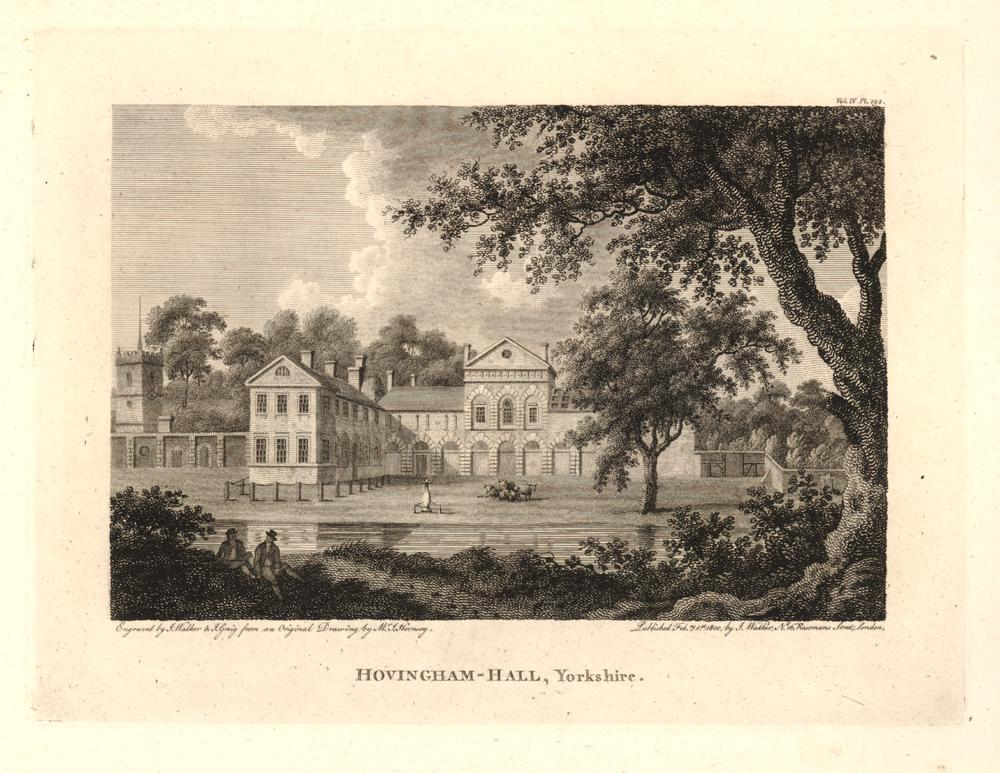
    Descended from a giant: the Worsleys of Hovingham

    The recent death of HRH the Duchess of Kent, who was married to the late queen’s cousin at York Minister in 1961, reminds us of her family’s long association with Yorkshire. This has included two brothers who served as archbishop…

  • Reframing the political narrative, Tudor-style: the Westminster conference of 1559

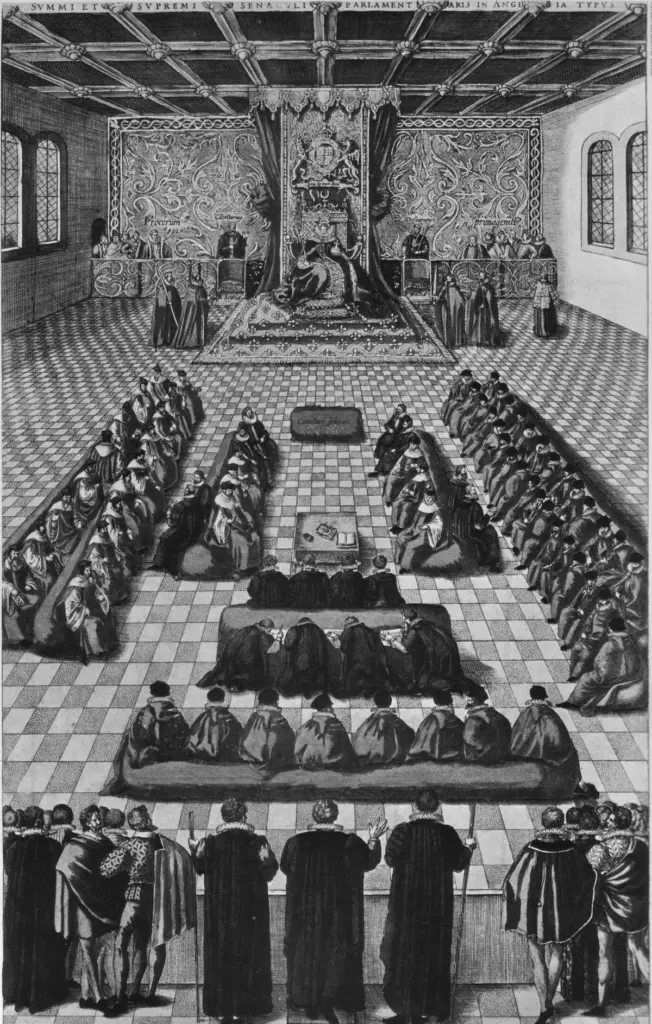
    Reframing the political narrative, Tudor-style: the Westminster conference of 1559

    The use of social media to influence political opinion has become a contentious issue in the past few years. However, there’s nothing new about the basic concept of politicians trying to shape popular perceptions to their own advantage, as Dr…

  • Parliament and the Church, c.1530-c.1630

    Parliament and the Church, c.1530-c.1630

    In this blog, Dr Alex Beeton reviews a fascinating colloquium, held recently at the History of Parliament’s office in Bloomsbury Square. In the early modern period, both England’s Church and its Parliament changed. A Catholic country split from Rome and…

  • The 1580 Dover Straits Earthquake

    The 1580 Dover Straits Earthquake

    On 6 April 1580, as Queen Elizabeth I was taking the air in the fields around Whitehall, south-east England experienced its greatest seismic event for two hundred years. Dr Andrew Thrush, editor of our Elizabethan House of Lords project, explains……

  • When tinsel was only for the rich: dressing to impress in early modern England

    When tinsel was only for the rich: dressing to impress in early modern England

    Wondering what to wear to a Christmas or New Year party? Deciding how to look one’s best can be a dilemma – but at least our fashion choices aren’t dictated by Acts of Parliament. In Tudor and Jacobean times it…

  • The Last of the Cromwells

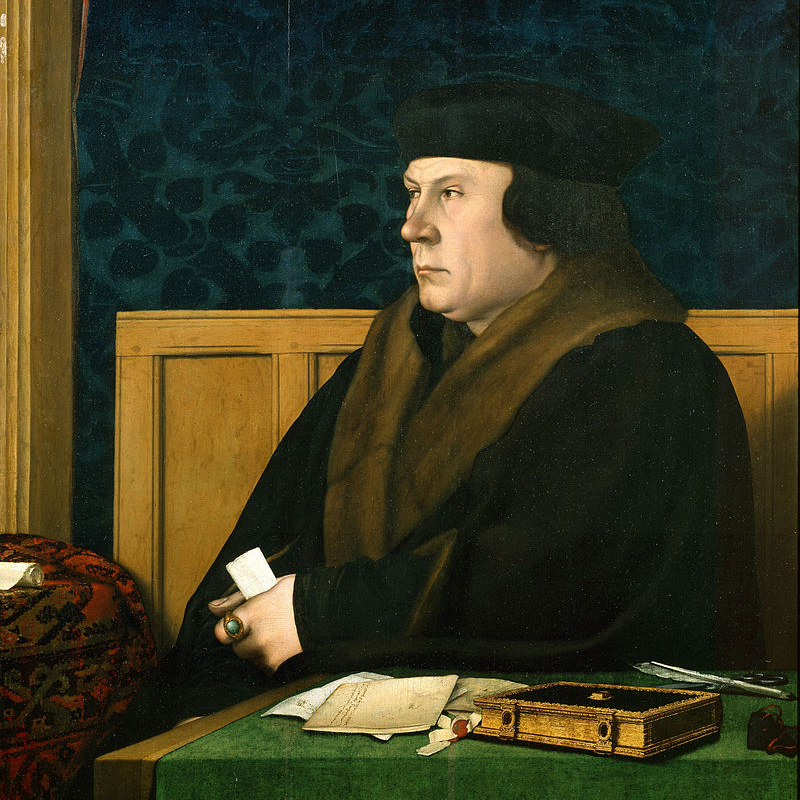
    The Last of the Cromwells

    The current BBC production of Wolf Hall: the Mirror and the Light, the last of Hilary Mantel’s novels charting the rise and fall of Thomas Cromwell, is a reminder that Cromwell’s dynasty did not end with him on the block.…

  • Richard Bancroft and the English mission to Emden, 1600

    Richard Bancroft and the English mission to Emden, 1600

    Richard Bancroft is well known to students of late Elizabethan and Jacobean England. A relentless enemy to nonconformist puritans, Bancroft served first as bishop of London (1597-1604) and then as archbishop of Canterbury (1604-1610). However, towards the end of Elizabeth’s…

  • A disputed election in the wake of the battle of Bosworth: the Shropshire election of 1485

    A disputed election in the wake of the battle of Bosworth: the Shropshire election of 1485

    Following the battle of Bosworth and Henry Tudor’s accession to the English throne, the country’s gentry who had sided with Henry seemed destined to be elected to Parliament uncontested. However, as Dr Simon Payling of our Commons 1461-1504 project explores,…

  • Poison and the Tudor nobility: the De La Warr peerage case

    Poison and the Tudor nobility: the De La Warr peerage case

    With House of Lords membership once again on the political agenda, Dr Ben Coates of our Lords 1558-1603 section explores how one aristocratic family’s murderous internal struggles played out in Parliament in the sixteenth century… On 26 Feb. 1549 a…

  • Winchester v. Winchester: rivalries and election-rigging in 1560s Hampshire

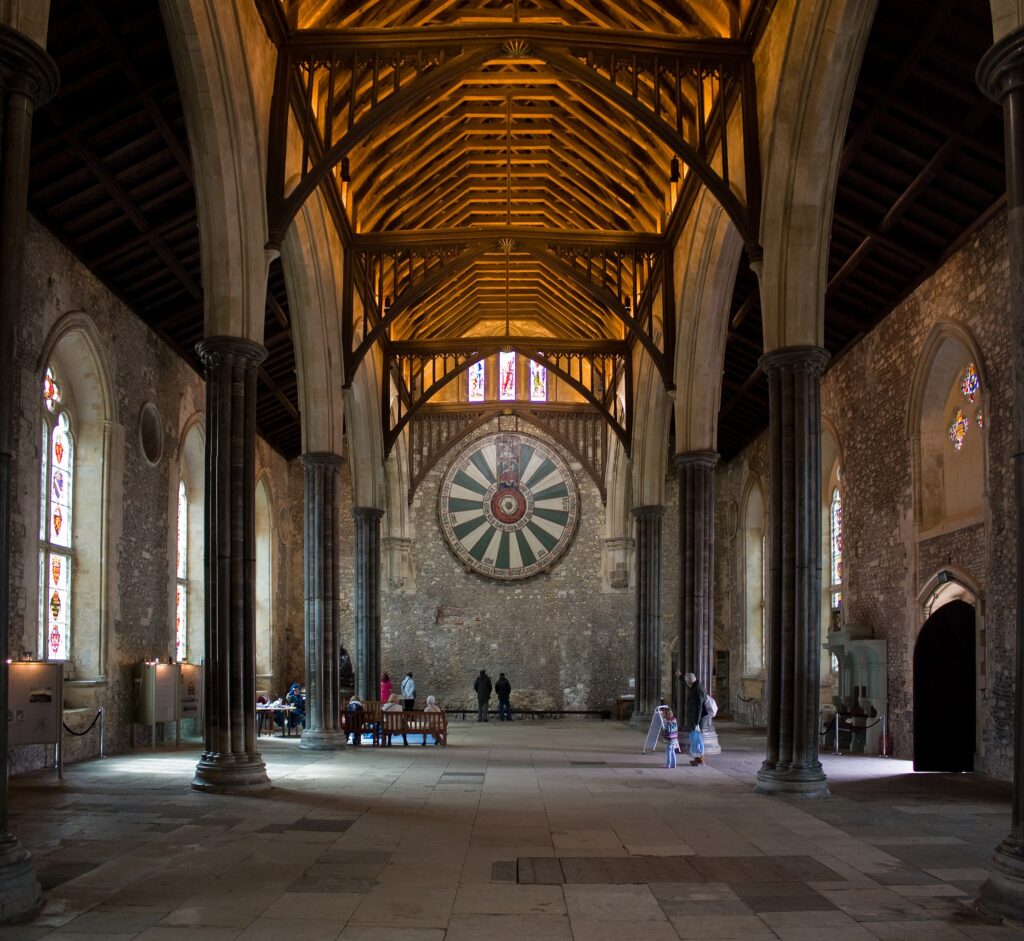
    Winchester v. Winchester: rivalries and election-rigging in 1560s Hampshire

    Whatever the outcome of a modern election, the process of voting is predictable, reliable, and well-understood. However, in the sixteenth century, the picture was a lot more complicated, and sometimes corrupt, as Dr Paul Hunneyball of our Elizabethan Lords section…

  • A prisoner in the Lords: the curious case of William Grey, 13th Lord Grey of Wilton

    A prisoner in the Lords: the curious case of William Grey, 13th Lord Grey of Wilton

    The first Elizabethan Parliament (1559) famously witnessed the restoration of the royal supremacy and paved the way for the reintroduction of Protestantism. It also saw the House of Lords briefly become the main focus of parliamentary opposition to royal policy,…

  • Elizabeth I’s Swedish lady of the privy chamber: Helena Ulfsdotter née Snakenborg, marchioness of Northampton

    Elizabeth I’s Swedish lady of the privy chamber: Helena Ulfsdotter née Snakenborg, marchioness of Northampton

    As we mark Women’s History Month throughout March, here Dr Andrew Thrush, editor of our Lords 1558-1603 project, looks into the life of Helena Snakenborg. How did this Swedish native become key figure in the court of Elizabeth I? One…