
Georgian

  • The Last Peer Hanged for Murder

    The Last Peer Hanged for Murder

    In the latest blog for the Georgian Lords, Dr Robin Eagles re-examines the trial and execution of Laurence Shirley, 4th Earl Ferrers, the last British peer to be hanged for murder. Long before he came to the scaffold on 5…

  • ‘Why not you?’ Sir John Cust, reluctant Speaker of the House of Commons

    ‘Why not you?’ Sir John Cust, reluctant Speaker of the House of Commons

    It is one of Westminster’s many traditions that, when an MP is elected to the role of Speaker of the House of Commons, they must show reluctance to accept the title and even be ceremonially dragged to the chair. However…

  • The true premier? Charles Spencer, 3rd earl of Sunderland

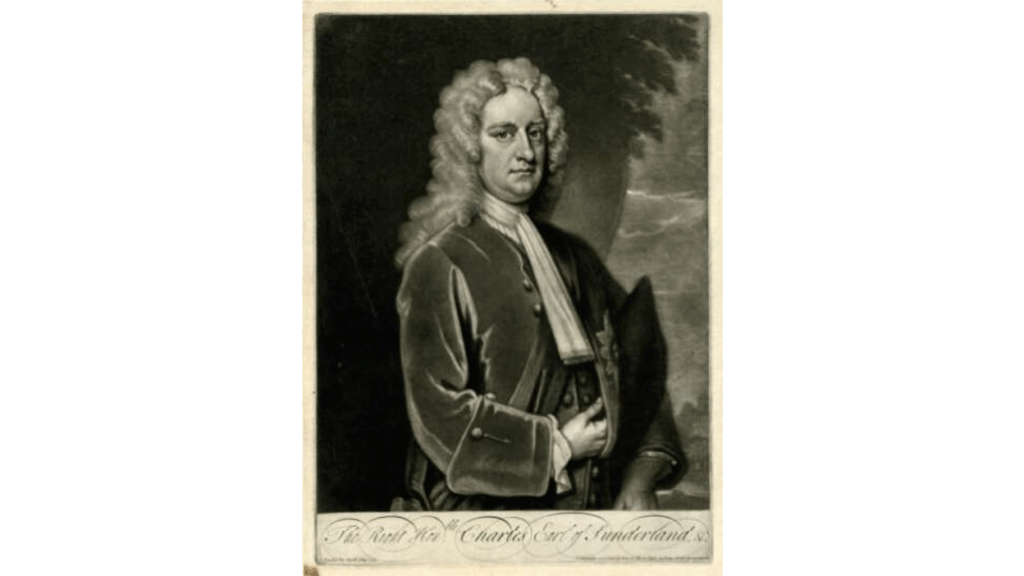
    The true premier? Charles Spencer, 3rd earl of Sunderland

    300 years ago, on 19 April 1722, Charles Spencer, 3rd earl of Sunderland, Walpole’s rival for the premiership, died following his stakhanovite efforts during that year’s general election. Dr Robin Eagles reconsiders Sunderland’s legacy and his claim to have been…

  • Female Dukes

    Female Dukes

    In the latest post for the Georgian Lords, Dr Stuart Handley considers the cases of peerages held by women in the 18th century, and the way in which they were able to exercise political influence even though denied a seat…

  • Portraits, patrons, and political networks in late Stuart and early Georgian England

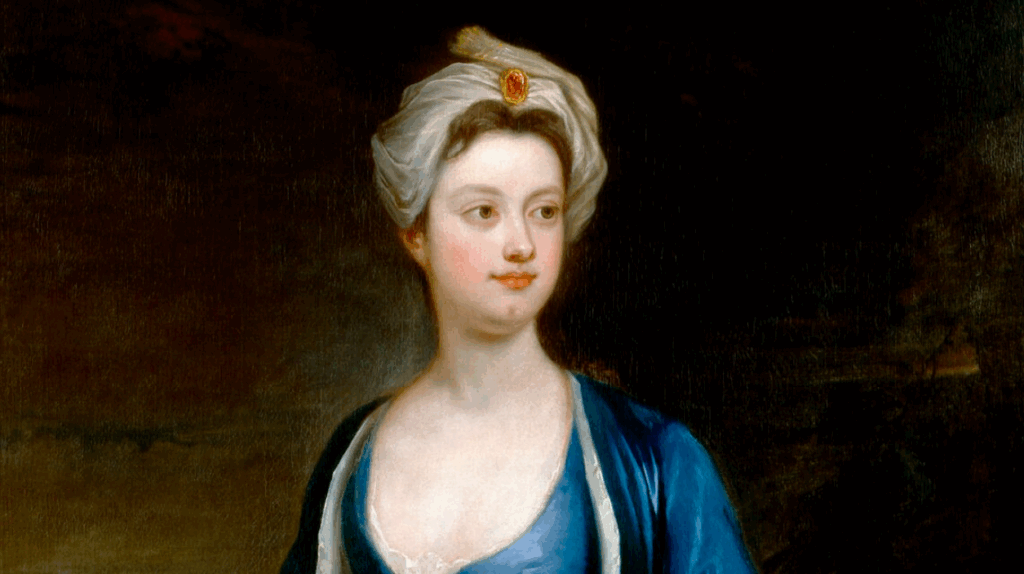
    Portraits, patrons, and political networks in late Stuart and early Georgian England

    Ahead of next Tuesday’s Virtual IHR Parliaments, Politics and People seminar, we hear from Amy Lim of St Hilda’s College, University of Oxford. On 8 March 2022, between 5.15 p.m. and 6.30 p.m., Amy will be discussing her research on…

  • ‘Do you know where this miserable wretch lives?’: Challenging votes in Eighteenth-Century England

    ‘Do you know where this miserable wretch lives?’: Challenging votes in Eighteenth-Century England

    As the Government looks set to make the introduction of voter ID requirements a flagship policy for 2022, parallels can be drawn with the eighteenth-century electoral process. We welcome guest blogger, James Harris, post-doctoral research associate at the University of…

  • Double Dutch: two Dutch courtiers and the British dynasties they founded

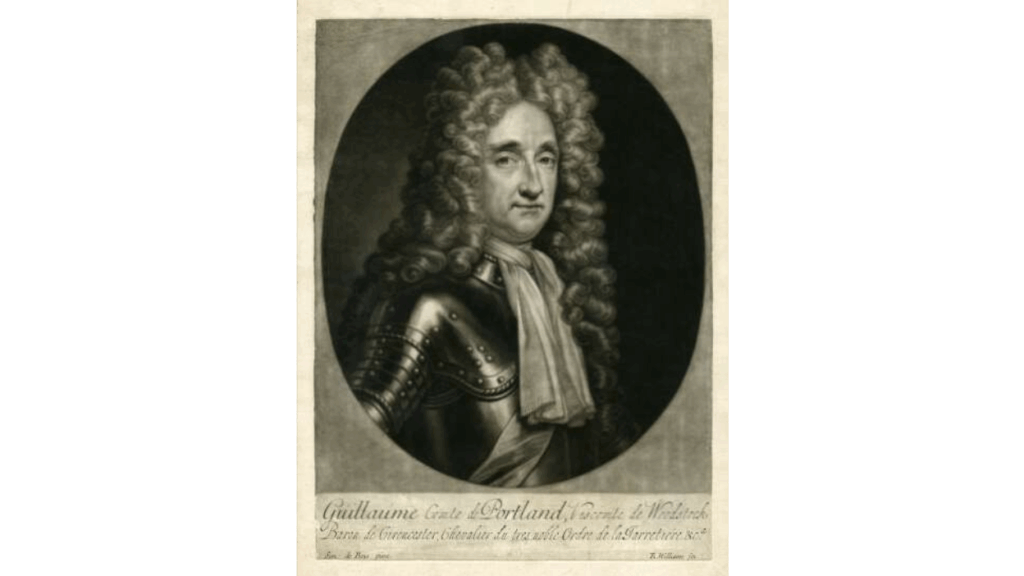
    Double Dutch: two Dutch courtiers and the British dynasties they founded

    In this latest post for the Georgian Lords, Dr Charles Littleton considers the histories of two Dutch families who went on to produce some of the most influential noble houses in Britain through the 18th and 19th centuries. Until the…

  • Death of a Queen: the tragic end of Caroline of Ansbach

    Death of a Queen: the tragic end of Caroline of Ansbach

    In the latest post for the Georgian Lords, Dr Robin Eagles, considers the grisly end of Queen Caroline of Ansbach, the botched efforts of her physicians to assist her and her wider importance to the Hanoverian regime. On 20 November…

  • “A great lover of forms, and a regular Speaker”: Sir Spencer Compton, Speaker of the House of Commons 1715-1727

    “A great lover of forms, and a regular Speaker”: Sir Spencer Compton, Speaker of the House of Commons 1715-1727

    Sir Spencer Compton, earl of Wilmington, is often overlooked, overshadowed by his colleague and predecessor Sir Robert Walpole. But as Dr Robin Eagles, editor of our Lords 1715-1790 project, suggests, Wilmington deserves more attention, particularly for his earlier role as…

  • Seven Jobs for Seven Brothers: The case of Bishop Reynolds of Lincoln

    Seven Jobs for Seven Brothers: The case of Bishop Reynolds of Lincoln

    In the latest blog for the Georgian Lords, Dr Stuart Handley considers the case of Bishop Reynolds of Lincoln, one of a minority in the episcopate to stand out against Walpole, possibly because of frustration both at his own lack…

  • Conference Report: Bath 250

    Conference Report: Bath 250

    On 29 and 30 September the opening of Bath’s historic (Upper) Assembly Rooms was marked with a conference over Zoom, followed by a live event in the Assembly Rooms where conference participants were able to experience a display of dances…

  • ‘The doubly-noble prisoner’: The trial of Elizabeth Chudleigh, countess of Bristol, or duchess of Kingston?

    ‘The doubly-noble prisoner’: The trial of Elizabeth Chudleigh, countess of Bristol, or duchess of Kingston?

    The year 1776 is usually associated with the worsening crisis in the American colonies. Yet for one week in April the House of Lords, and the British public, turned their attention to Westminster Hall to concentrate on the sensational trial…