
Georgian

  • The rules governing lengths of parliaments in the 18th century

    The rules governing lengths of parliaments in the 18th century

    Despite all of the political events of recent years, the upcoming General Election is the first time that the nation has gone to the polls since late 2019- nearly reaching the five year term limit, as determined by the Dissolution…

  • Two anniversaries, two impeachments and an election

    Two anniversaries, two impeachments and an election

    In 2024 the tercentenaries of the deaths of two important 18th-century figures the fell within weeks of each other. Dr Charles Littleton compares the contrasting careers of Robert Harley, earl of Oxford, and Dr Henry Sacheverell, who both suffered impeachment…

  • Tory to Whig and back again

    Tory to Whig and back again

    In recent weeks the factional nature of political parties has become apparent, with previous members speaking out against their leaders and news of MPs defecting to other parties. But in the 18th century the line between the main political groups…

  • Polling in advance of the votes

    Polling in advance of the votes

    As the 2024 General Election campaigns continue this week, news outlets have been filled with many different polls, suggesting a variety of possible election outcomes. But did you know that polling ahead of an election also took place in the…

  • Dissolving Parliament

    Dissolving Parliament

    Today, on 30 May 2024, Parliament will be formally dissolved following a ‘Dissolution proclamation’ from the King. This is the first time that this proclamation has been required since 201o, following the repeal of the Fixed Term Parliaments Act in…

  • Tory to Whig – or helping out the Family?

    Tory to Whig – or helping out the Family?

    Historians J.B. Owen, J.H. Plumb, and Linda Colley have all alluded to the post-1714 drift of the Tories into the Whig party. One of the families particularly referenced was the Legges. In the latest blog for the Georgian Lords, Dr…

  • Benjamin Franklin and the state of Britain in the time of Wilkes

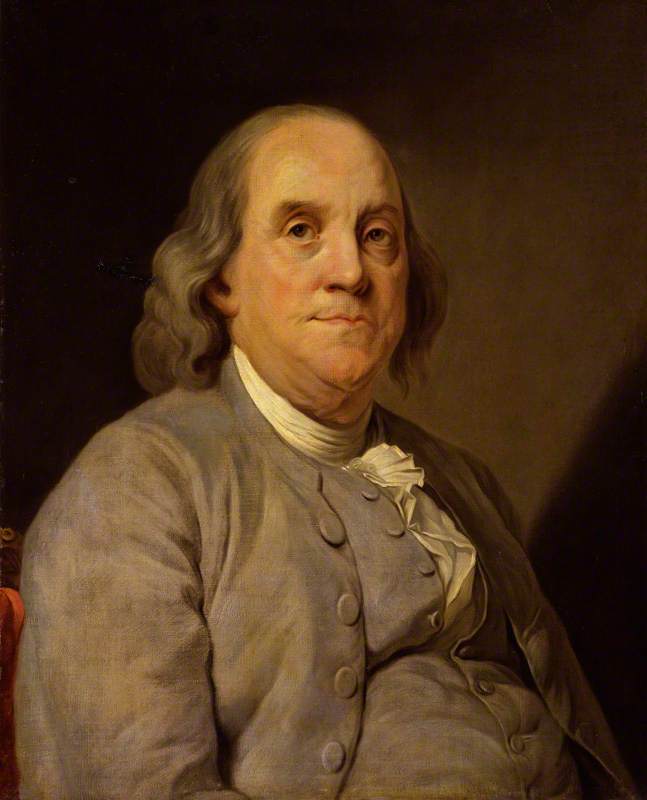
    Benjamin Franklin and the state of Britain in the time of Wilkes

    A new series exploring Benjamin Franklin’s time in Europe launches on streaming services this month, but how did the American ‘Founding Father’ respond to the politics in Britain during the 1760s? In this blog Dr Robin Eagles, editor of our…

  • Enter the Dragon: the education of Robert Harley

    Enter the Dragon: the education of Robert Harley

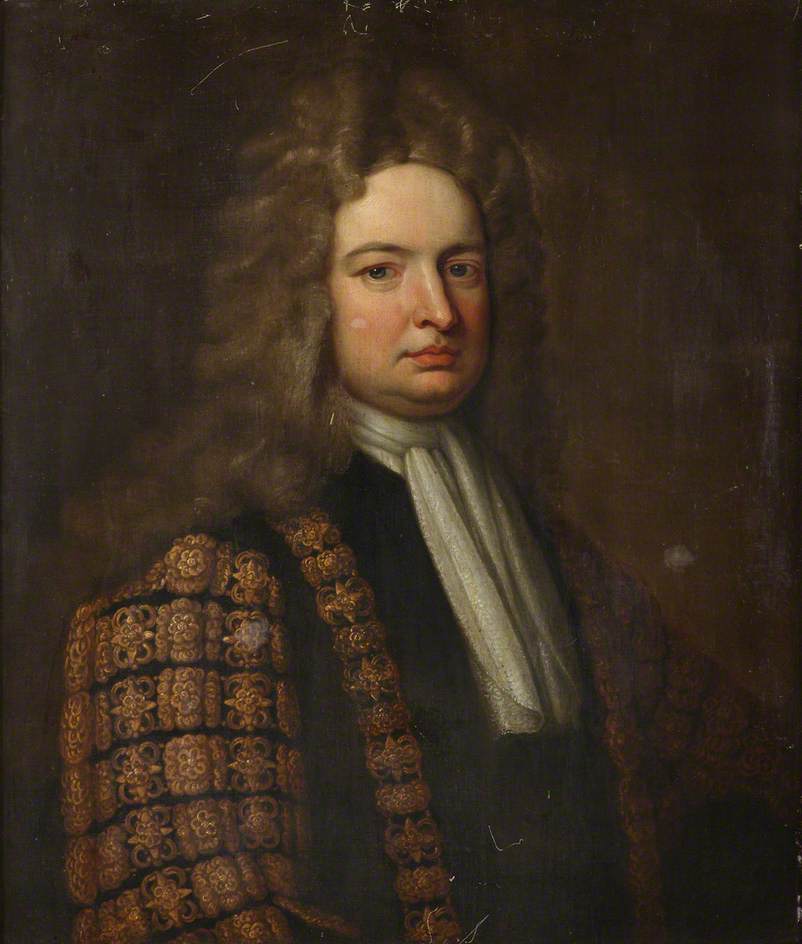
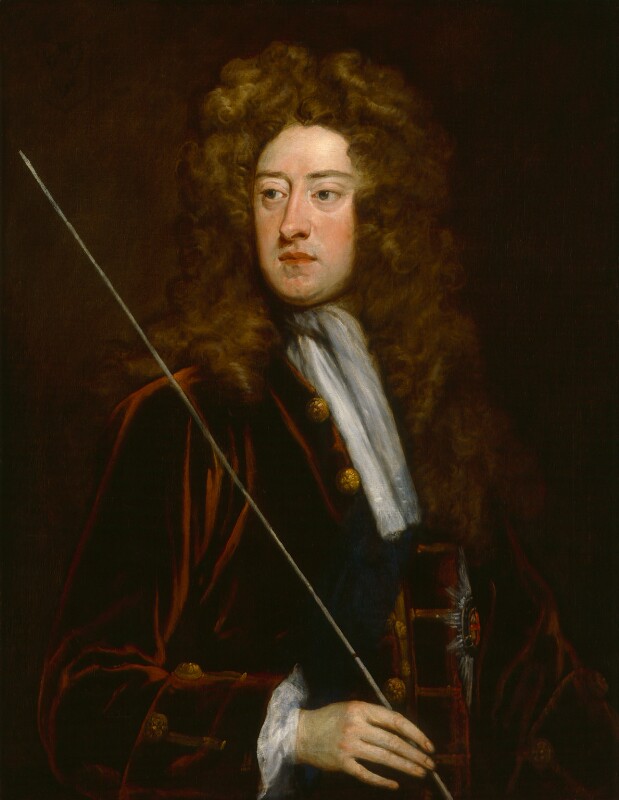
    Robert Harley (1661-1724) was in his late 20s when he was first elected to Parliament as MP for Tregony in April 1689. He would remain a member of Parliament, first of the Commons and then of the Lords, for the…

  • ‘Not voting at all’: the election of an imprisoned MP in 1769

    ‘Not voting at all’: the election of an imprisoned MP in 1769

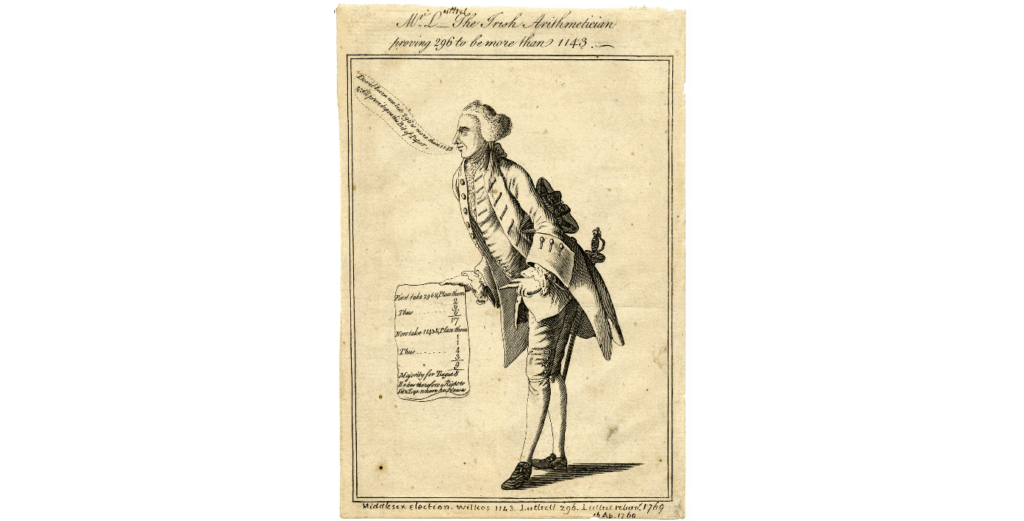
    2024 represents the 250th anniversary of John Wilkes’s re-election for Middlesex and election as Lord Mayor of London. It was by any measure a remarkable achievement for a man who had been expelled from Parliament and imprisoned; but what of…

  • ‘A very good bed for old courtiers to rest in’: The 18th-century Post Office and its Postmasters-General

    ‘A very good bed for old courtiers to rest in’: The 18th-century Post Office and its Postmasters-General

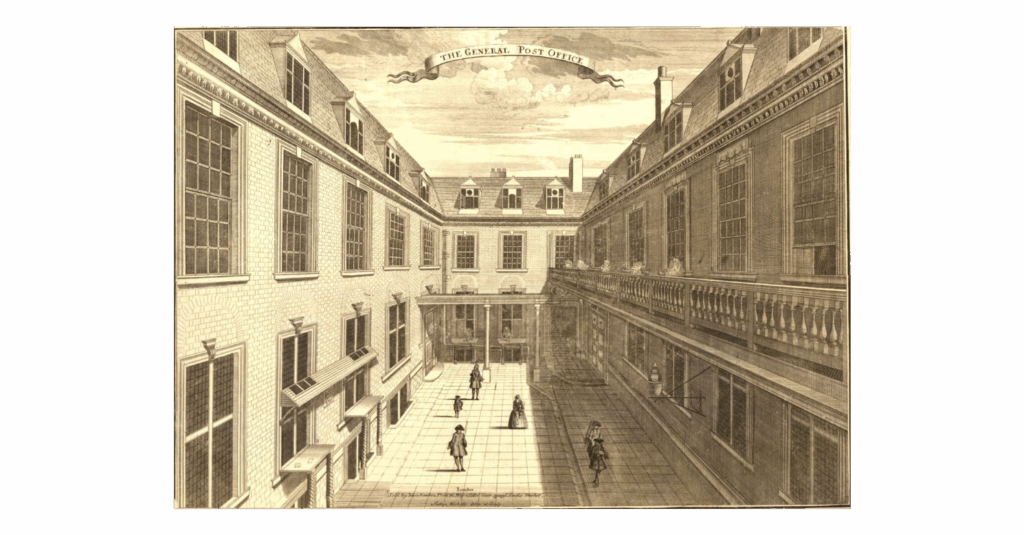
    Much attention has concentrated recently on the scandal surrounding the Post Office’s prosecutions of numerous sub-postmasters and -mistresses. The 18th-century Post Office was established and run on very different lines than that of today, but as Dr Charles Littleton shows,…

  • The earl of Abingdon and the treatment of American prisoners of war

    The earl of Abingdon and the treatment of American prisoners of war

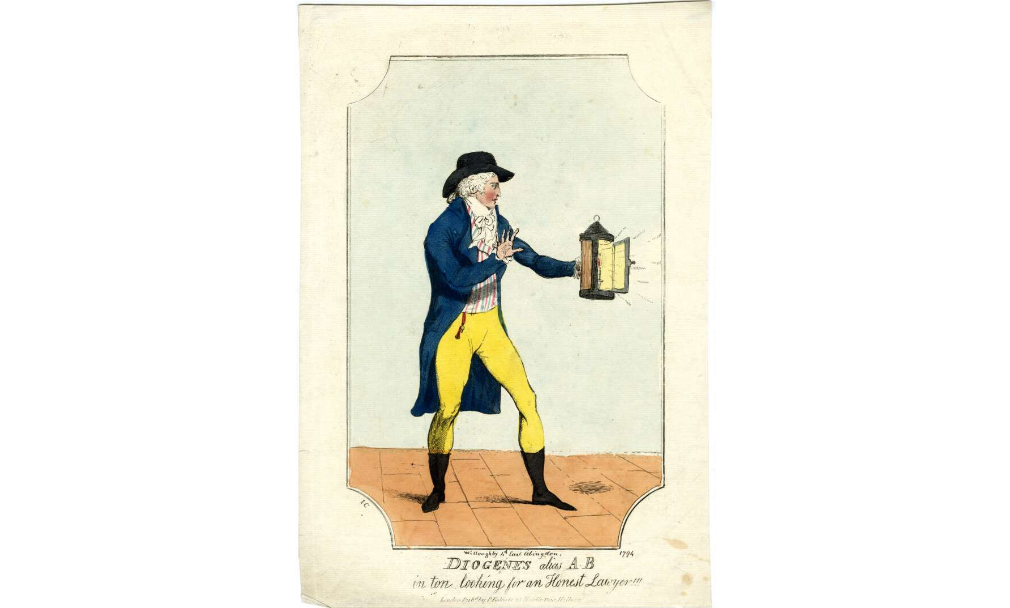
    In the latest post for the Georgian Lords, Dr Robin Eagles highlights the career of one of the House’s more eccentric orators: Willoughby Bertie, 4th earl of Abingdon: musician, breeder of champion race-horses and radical politician concerned about corruption at…

  • ‘True Blue’: the choice of political colours in the 18th century

    ‘True Blue’: the choice of political colours in the 18th century

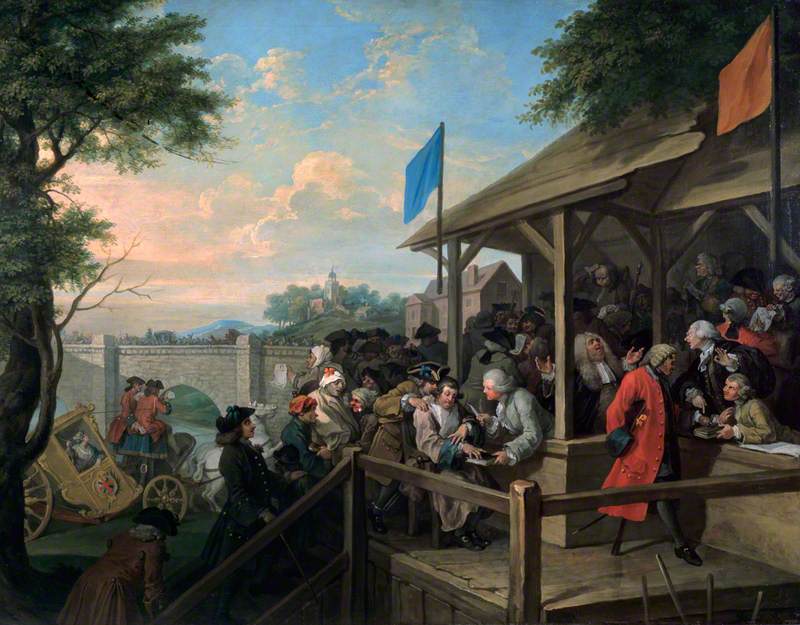
    In British politics, we are now used to the idea of certain parties (or causes) being associated with particular colours. The Conservative party is blue; Labour red; the Greens are green. In the 18th century such notions were by no…