Oliver Cromwell

  • The Baronial Context of the 1641 Triennial Act

    The Baronial Context of the 1641 Triennial Act

    Dr David Scott, Editor of the 1640-60 House of Lords section, explores the role of the peers in securing the right of Parliament to meet regularly. The Triennial Act of February 1641 was the first piece of legislation passed by…

  • Descended from a giant: the Worsleys of Hovingham

    Descended from a giant: the Worsleys of Hovingham

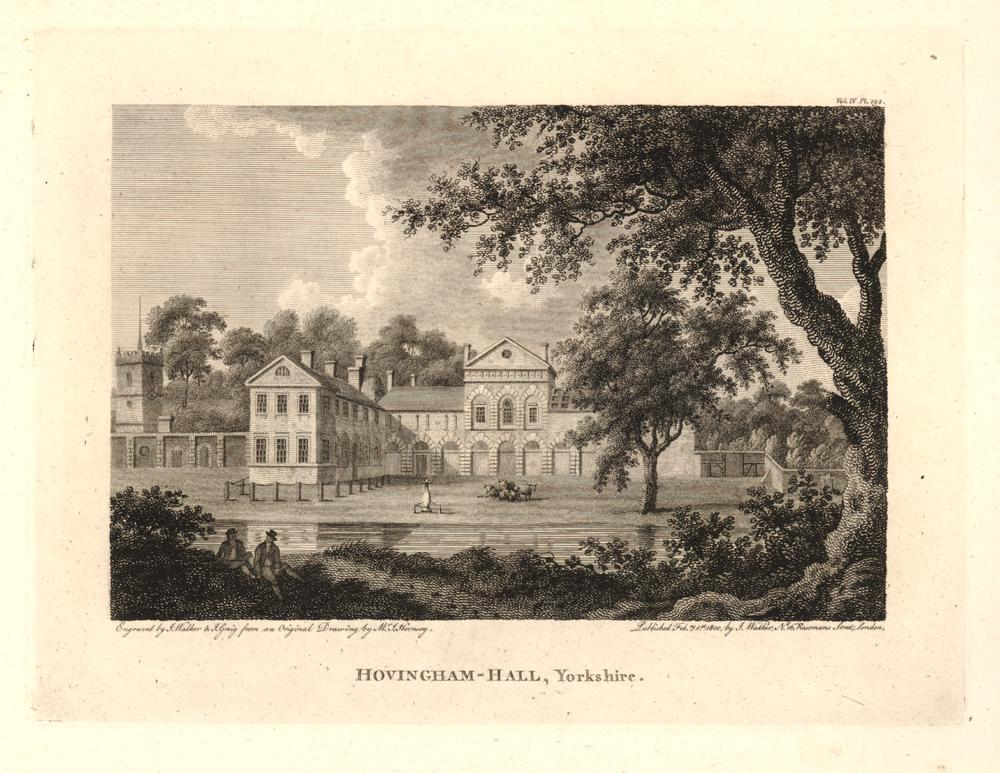
    The recent death of HRH the Duchess of Kent, who was married to the late queen’s cousin at York Minister in 1961, reminds us of her family’s long association with Yorkshire. This has included two brothers who served as archbishop…

  • Oliver Cromwell’s ‘Other House’ and the perils of Lords ‘reform’

    Oliver Cromwell’s ‘Other House’ and the perils of Lords ‘reform’

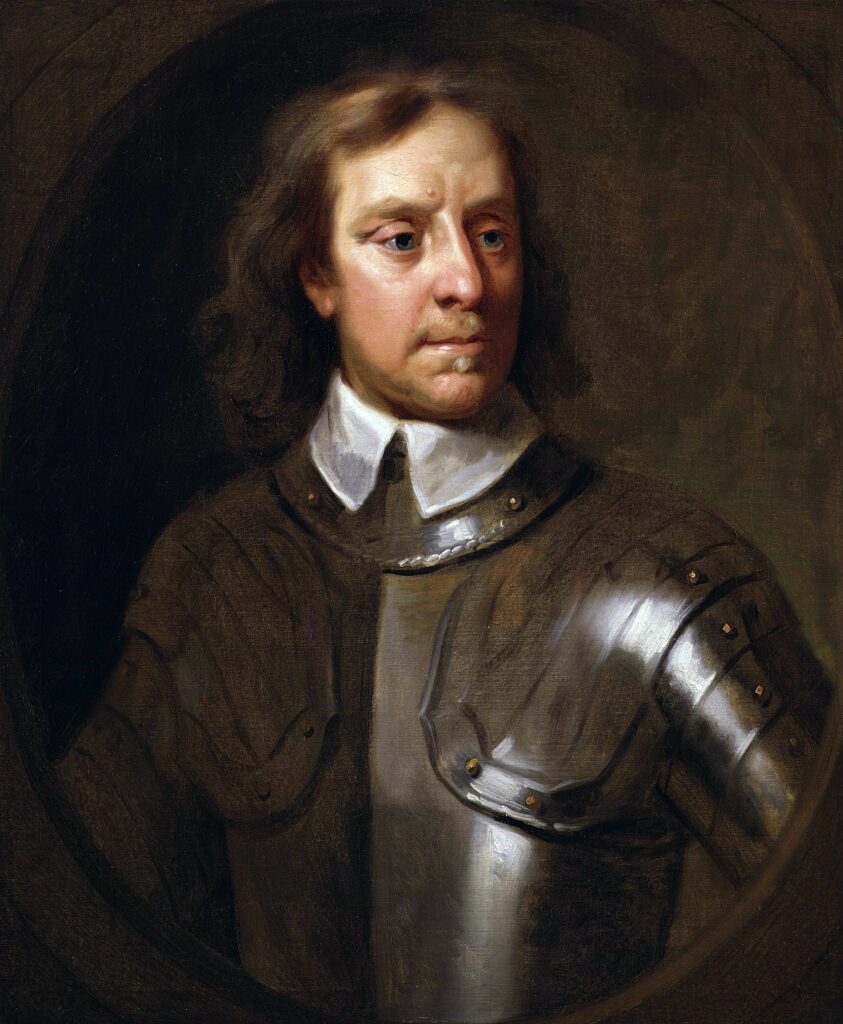
    In this guest post, Dr Jonathan Fitzgibbons of Lincoln University, looks at a constitutional issue from the 1650s with obvious contemporary relevance: the place of the House of Lords. As politicians continue to debate the House of Lords’ future, including…

  • The Last of the Cromwells

    The Last of the Cromwells

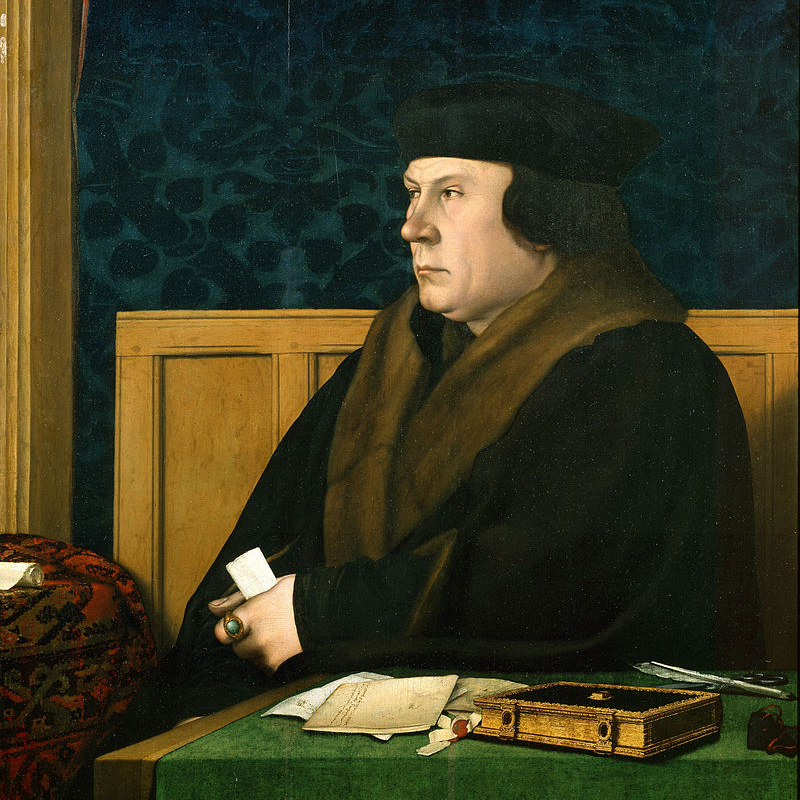
    The current BBC production of Wolf Hall: the Mirror and the Light, the last of Hilary Mantel’s novels charting the rise and fall of Thomas Cromwell, is a reminder that Cromwell’s dynasty did not end with him on the block.…

  • The Sport of Kings – and Protectors!

    The Sport of Kings – and Protectors!

    In this blog, Dr Patrick Little, of the 1640-60 Lords section, explores the enduring popularity of horse-racing, even during the rule of that archetypal puritan, Oliver Cromwell… Oliver Cromwell is blamed for many things without any basis. There are ruined…

  • The History of Parliament, House of Commons, 1640-60: a roundtable discussion

    The History of Parliament, House of Commons, 1640-60: a roundtable discussion

    Ahead of next Tuesday’s Parliaments, Politics and People roundtable seminar, we hear from Alex Beeton and Patrick Little of the History of Parliament. On 13 February Alex and Patrick will join Andrew Barclay, Vivienne Larminie and David Scott to discuss the recently…

  • Richard Ingoldsby – Reluctant Regicide?

    Richard Ingoldsby – Reluctant Regicide?

    On 29 January 1649, Charles I’s death warrant was signed by 59 men. One of these men, Richard Ingoldsby, later claimed during the restoration of the monarchy that Oliver Cromwell had forced him to sign it. Dr Andrew Barclay, senior…

  • The Lords and the Putney Debates

    The Lords and the Putney Debates

    Following the victory of Parliament over King Charles I in the first English Civil War, the New Model Army, Charles, and radical groups convened at Putney to discuss the political settlement. Sarah Mortimer, Associate Professor at Christ Church, Oxford, and…

  • Launching the Letters, Writings, and Speeches of Oliver Cromwell, Oxford March 2023

    Launching the Letters, Writings, and Speeches of Oliver Cromwell, Oxford March 2023

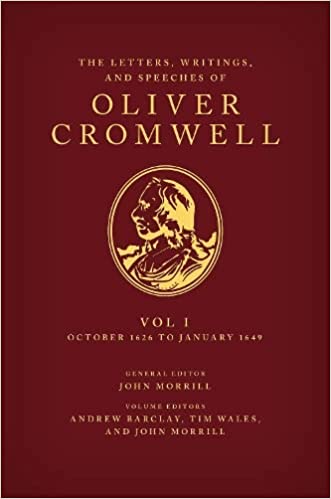
    An event celebrating the the publication of a new edition of The Letters, Writings, and Speeches of Oliver Cromwell was held at Huntingdon Town Hall. Alex Beeton, Research Assistant of our House of Lords 1640-1660 project, discusses the event. On 6…

  • Levelling the Lords

    Levelling the Lords

    In the inaugural blog of our Revolutionary Stuart Parliaments series, the editor of our new House of Lords 1640-60 section Dr David Scott, and Dr Sarah Mortimer of Christ Church, Oxford, consider the politics behind the abolition of the House…

  • A month in politics: the fall of Protector Richard Cromwell, 1659

    A month in politics: the fall of Protector Richard Cromwell, 1659

    As we ponder the abrupt end to Boris Johnson’s premiership, Dr Vivienne Larminie of our Commons 1640-60 section offers a salutary reminder that the sudden collapse of a government is far from unprecedented in British history… Reporting on events at…

  • Silence and Laughter in the Cromwellian House of Commons

    Silence and Laughter in the Cromwellian House of Commons

    On our blog we have often heard about the origins of the many strange and enduring traditions that exist within Westminster. In today’s blog Dr Patrick Little from our Commons 1640-1660 project takes a look at the use of non-verbal…