George III

  • Putting ‘spirit in the conduct of the war’: the November 1775 government reshuffle

    Putting ‘spirit in the conduct of the war’: the November 1775 government reshuffle

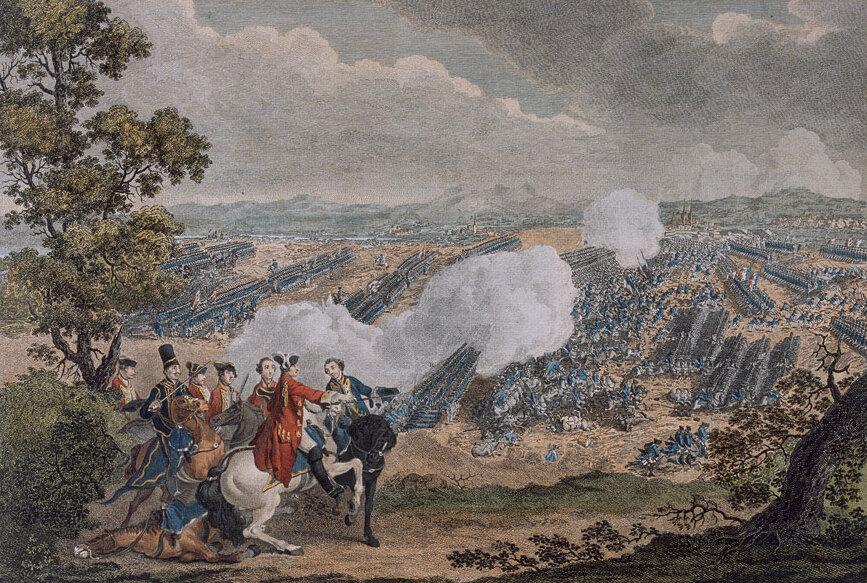
    In his last post for the Georgian Lords, From bills to bullets: Spring 1775 and the approach to war in America, on the advent of the American War of Independence, Dr Charles Littleton left things hanging with the prorogation on…

  • ‘Confirmation of the People’s Rights’: commemorating the ‘Glorious Revolution’ of 1688

    ‘Confirmation of the People’s Rights’: commemorating the ‘Glorious Revolution’ of 1688

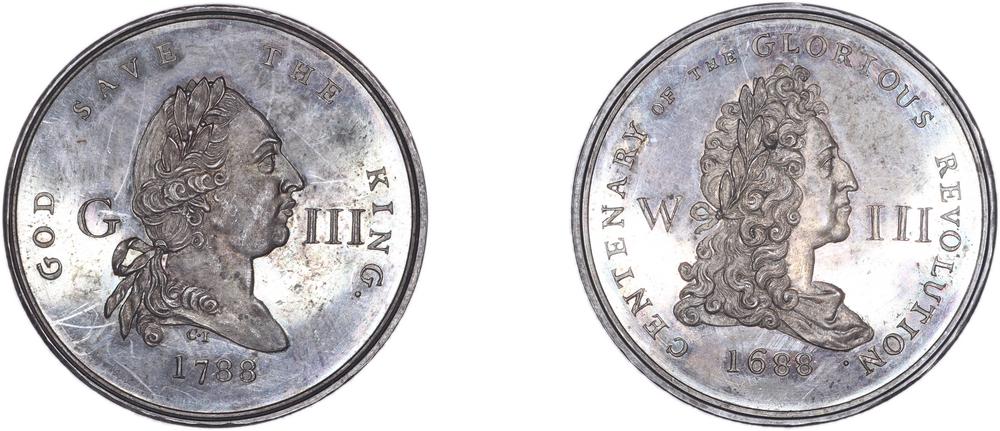
    For many, the beginning of November means the advent of longer nights as the year winds down to Christmas. Some may still enjoy attending firework displays marking the failure of the 1605 Gunpowder Plot. In November 1788, though, serious efforts…

  • ‘The sect of Alarmists’: The Third Party and the reluctant leadership of William Windham, 1793-4

    ‘The sect of Alarmists’: The Third Party and the reluctant leadership of William Windham, 1793-4

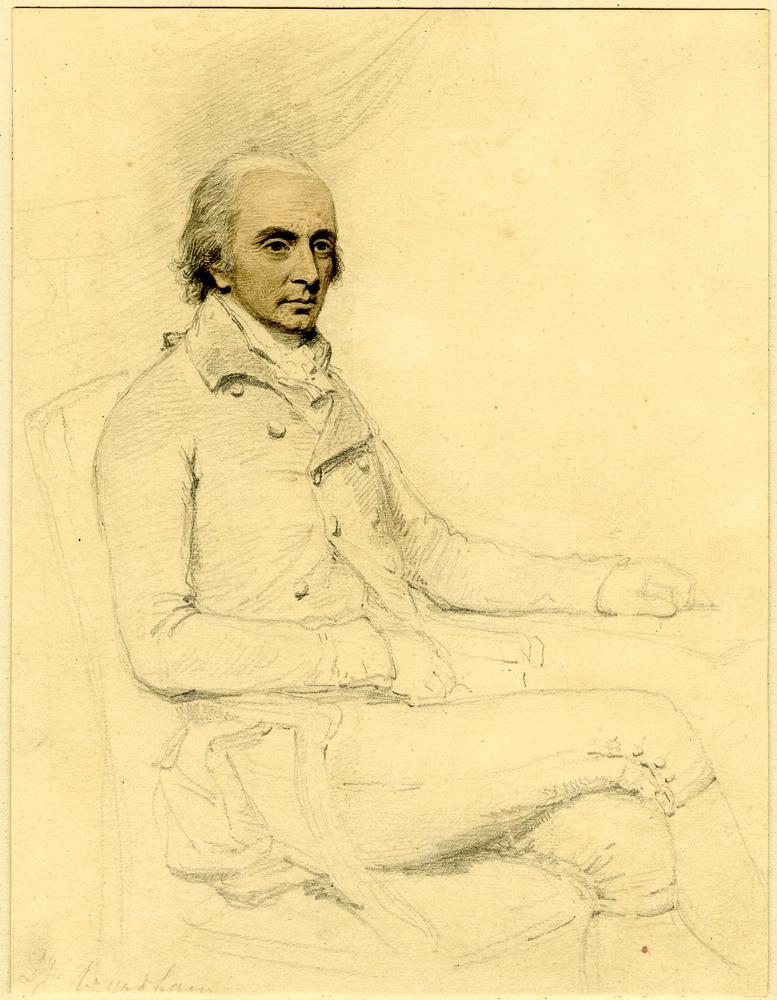
    In this latest post, the Georgian Lords welcomes a guest article by James Orchin, PhD student at Queen’s University, Belfast, re-examining William Windham’s ‘Third Party’, known as ‘The Alarmists’. The group was mostly made up of former Foxite Whigs, who…

  • Descended from a giant: the Worsleys of Hovingham

    Descended from a giant: the Worsleys of Hovingham

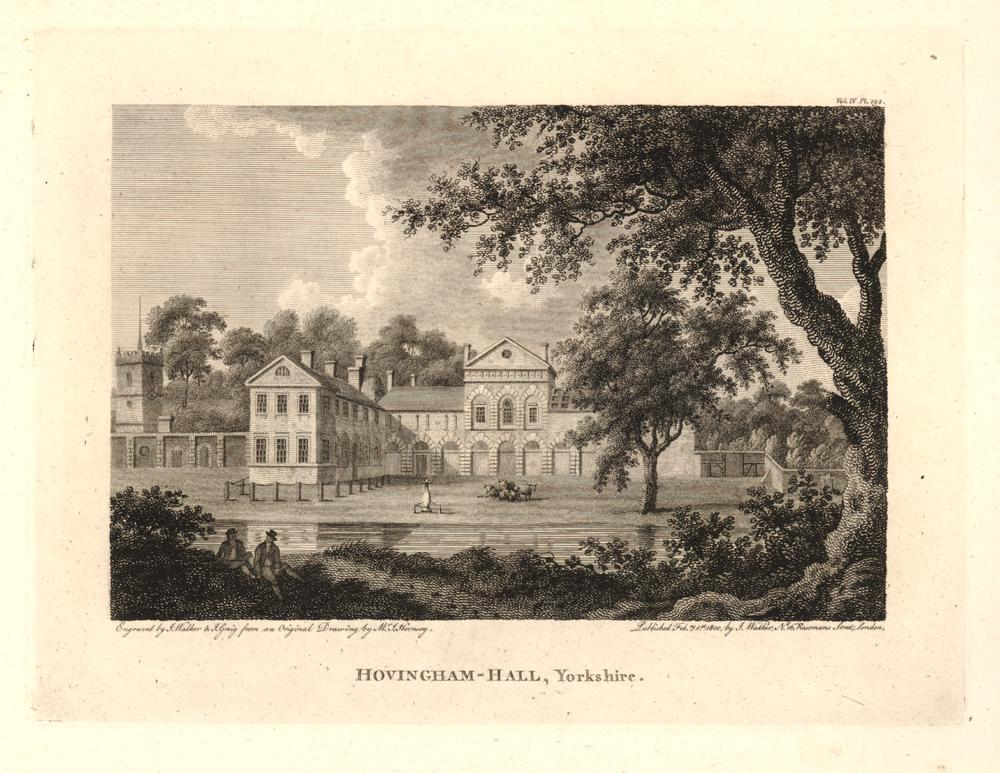
    The recent death of HRH the Duchess of Kent, who was married to the late queen’s cousin at York Minister in 1961, reminds us of her family’s long association with Yorkshire. This has included two brothers who served as archbishop…

  • From Jockeys to Ministers: How Horse Racing Shaped Rockingham’s First Ministry

    From Jockeys to Ministers: How Horse Racing Shaped Rockingham’s First Ministry

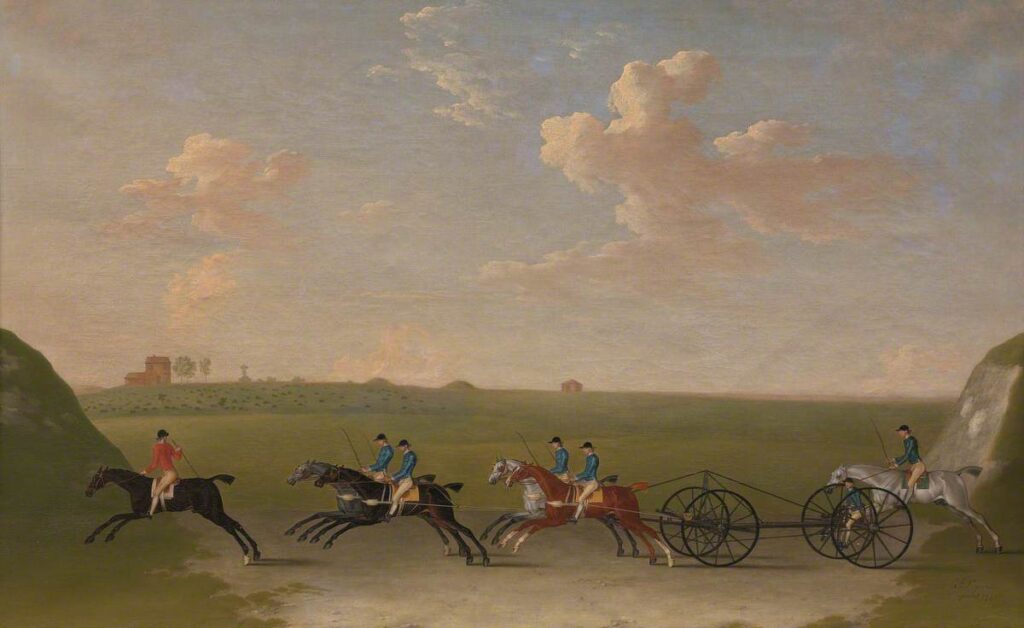
    In the latest post for the Georgian Lords, we welcome Ioannes Chountis de Fabbri from the University of Aberdeen, who considers the importance of horse racing in the formation of the Rockingham administration of 1765. The structure of mid-eighteenth-century politics…

  • From bills to bullets: Spring 1775 and the approach to war in America

    From bills to bullets: Spring 1775 and the approach to war in America

    A recent article in this series [Background to the American Revolution] looked at the debates in the House of Lords in early February 1775 on a bill for conciliation with the American colonies. After its rejection the imperial crisis continued…

  • Bloomsbury Square and the Gordon Riots

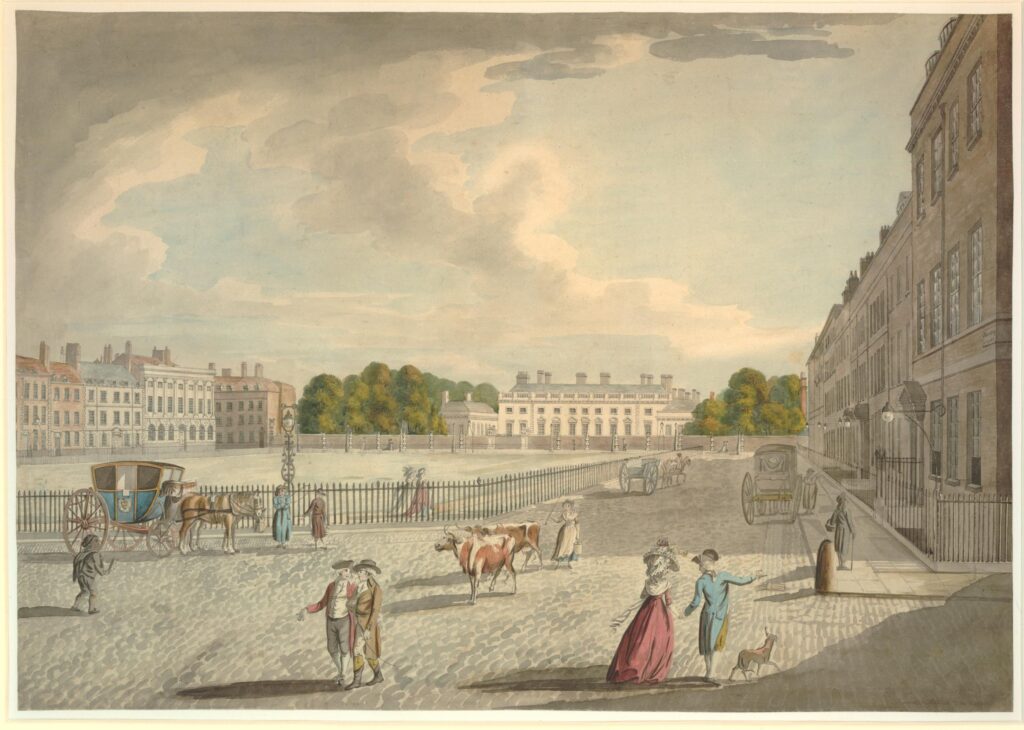
    Bloomsbury Square and the Gordon Riots

    For almost 20 years, Bloomsbury Square has been the home to the History of Parliament. In the latest post for the Georgian Lords, Dr Robin Eagles considers the history of the square in one of its most turbulent periods. Bloomsbury…

  • ‘of all others most desirable’: Pitt the Younger and elections for Cambridge

    ‘of all others most desirable’: Pitt the Younger and elections for Cambridge

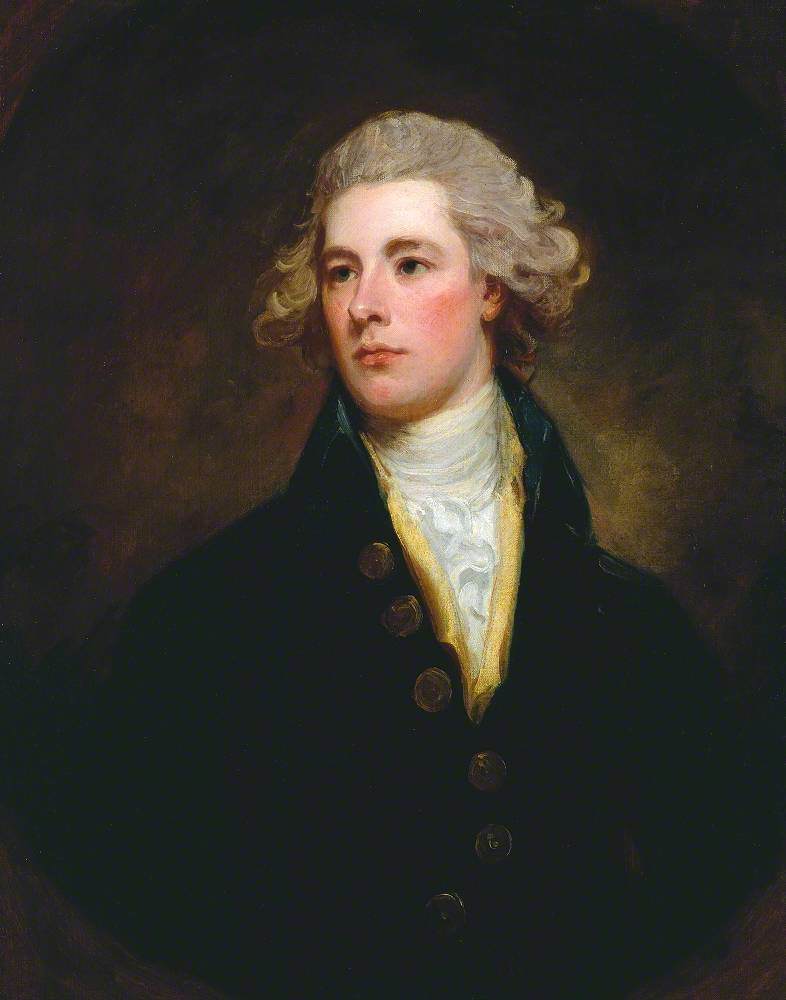
    From the onset of his lengthy political career, William Pitt the Younger had his eyes fixed on representing his alma mater, the University of Cambridge. Writing to his mother in July 1779, he observed that the University seat was ‘of…

  • Some thoughts on William Pulteney, earl of Bath

    Some thoughts on William Pulteney, earl of Bath

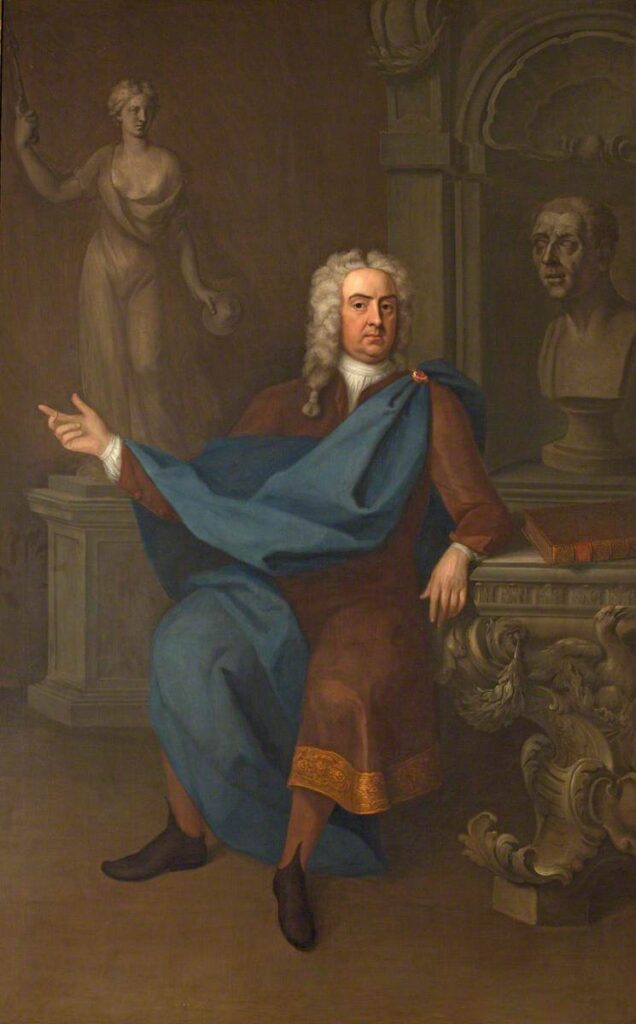
    The 31 May 2025 marks Dr Stuart Handley’s last day at the History of Parliament. One of his last biographies for The House of Lords, 1715-90 has been William Pulteney, earl of Bath. It will be the third History of…

  • The Last of the Jacobites: Henry Benedict

    The Last of the Jacobites: Henry Benedict

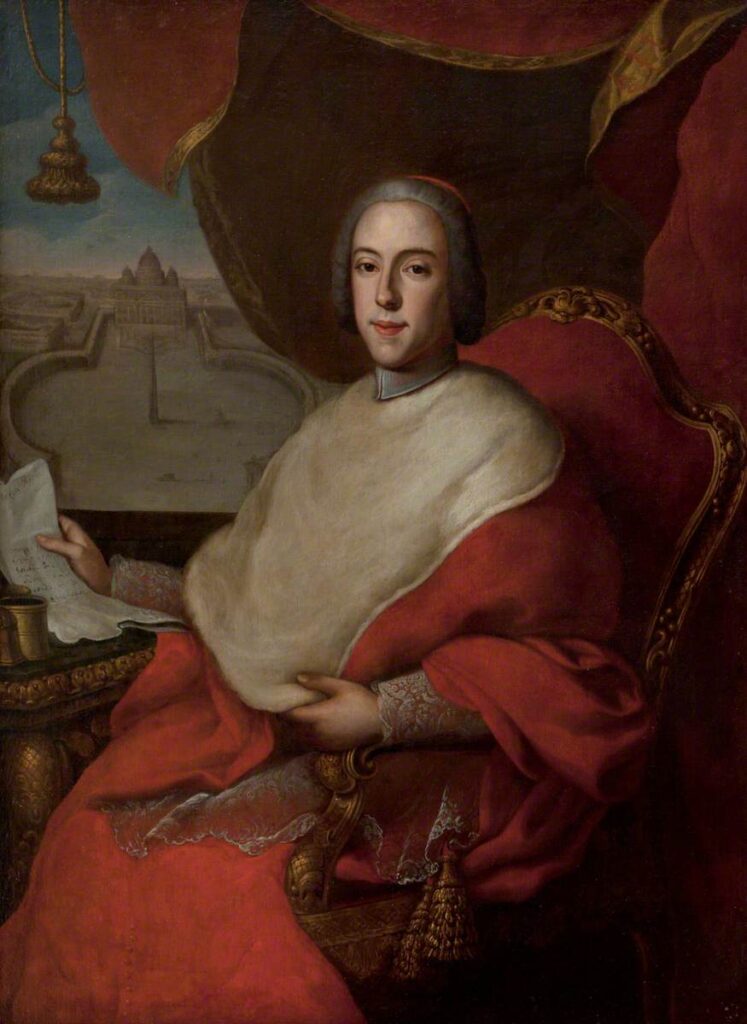
    Henry Benedict, Cardinal York (1725-1807), born 300 years ago this March, was the last member of the royal family to take an active role in a papal Conclave, when he participated in the election of Pope Pius VII at Venice…

  • Robert Burns in Edinburgh: peers, patrons, and politics

    Robert Burns in Edinburgh: peers, patrons, and politics

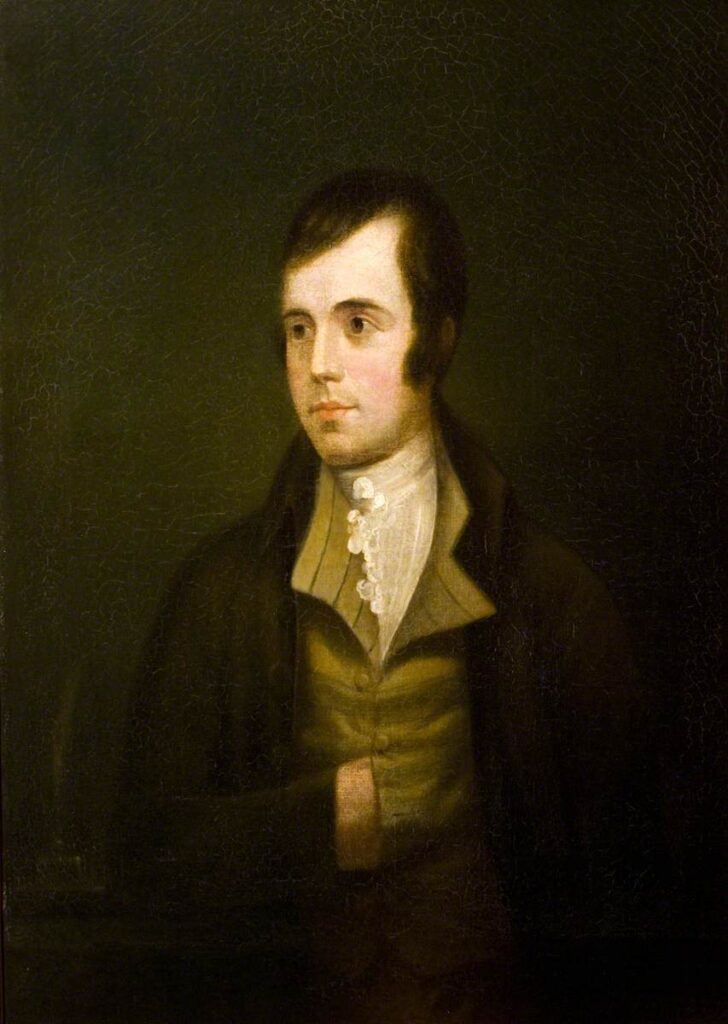
    In the wake of Burns Night, it is worth considering how the patronage of a small number of Scottish nobles helped Robert Burns become established as the national bard. In his latest piece for the Georgian Lords, Dr Charles Littleton,…

  • A ‘cook’d up’ affair: Queen Charlotte’s 1794 Epiphany Ball

    A ‘cook’d up’ affair: Queen Charlotte’s 1794 Epiphany Ball

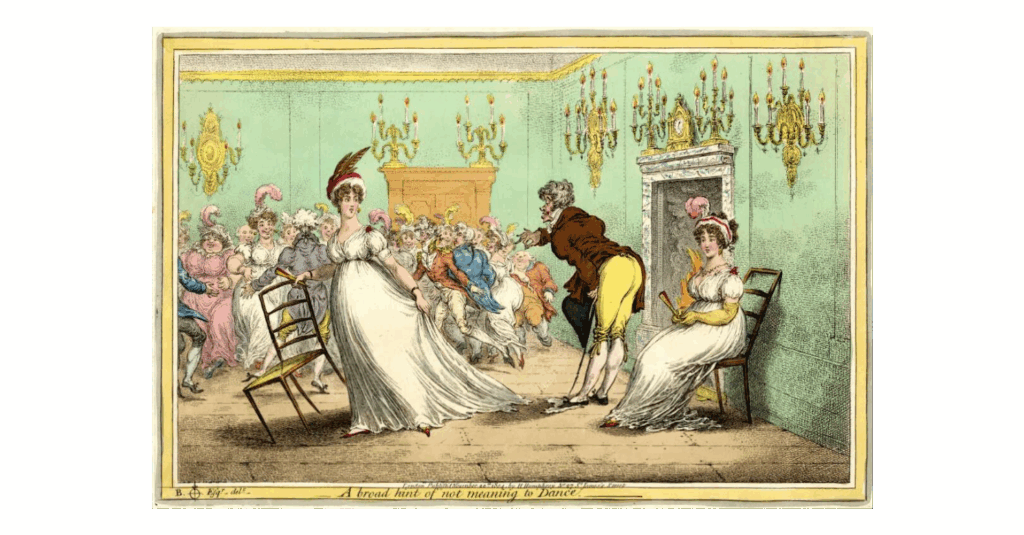
    The Court of George III and Queen Charlotte has often been characterized as a rather dull affair, a stark contrast to the more glitzy events on offer in the household of their son, the Prince of Wales. Just how ad…