
Elizabeth I
-
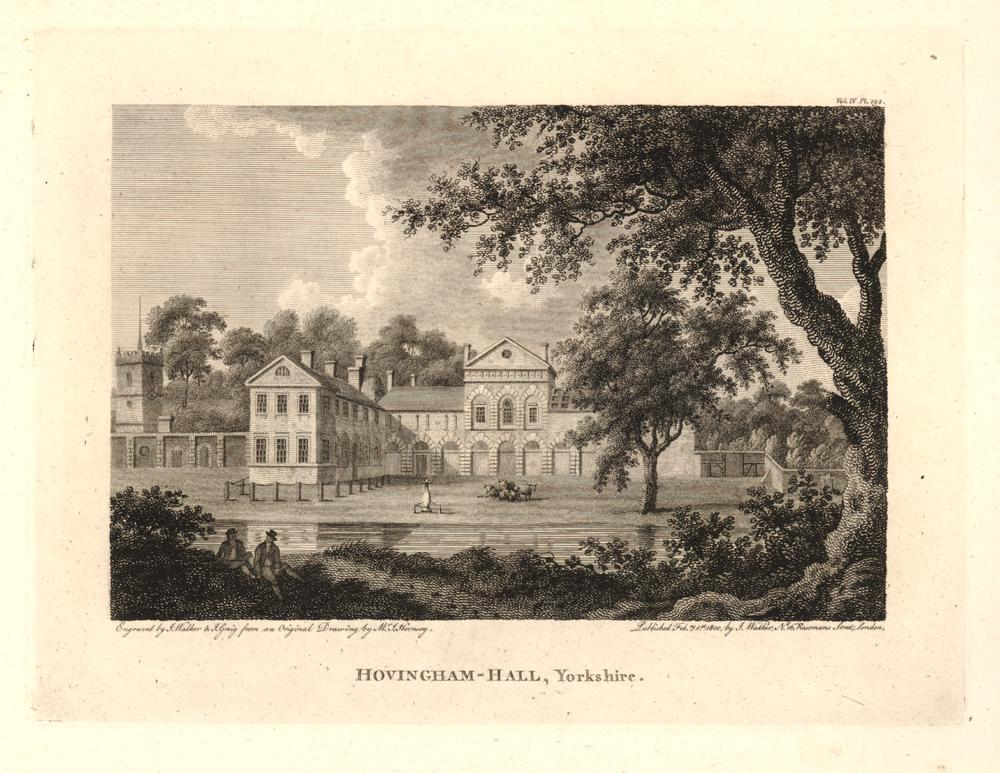
Descended from a giant: the Worsleys of Hovingham
The recent death of HRH the Duchess of Kent, who was married to the late queen’s cousin at York Minister…
-

When tinsel was only for the rich: dressing to impress in early modern England
Wondering what to wear to a Christmas or New Year party? Deciding how to look one’s best can be a…
-

Richard Bancroft and the English mission to Emden, 1600
Richard Bancroft is well known to students of late Elizabethan and Jacobean England. A relentless enemy to nonconformist puritans, Bancroft…
-

Elizabeth I’s Swedish lady of the privy chamber: Helena Ulfsdotter née Snakenborg, marchioness of Northampton
As we mark Women’s History Month throughout March, here Dr Andrew Thrush, editor of our Lords 1558-1603 project, looks into…
-

The man who would be king (-consort): Henry Fitzalan, earl of Arundel
Many of the leading figures at the Elizabethan court, like the queen’s chief minister, William Cecil, Lord Burghley and the…
-

What if Elizabeth I had Died in 1562?
It is easy to take the long reign of Elizabeth I for granted. But less than four years after Elizabeth…
-

The First Accession Council
In modern Britain, the death of a monarch has little political impact; the work of government continues uninterrupted, apart from…
-

The ‘Answer Answerless’ and Elizabeth I’s attitude towards the Parliament of 1586-7
In the latest blog from our First Elizabethan Age series Dr Andrew Thrush, editor of our Lords 1558-1603 section, discusses…
-

Execution or murder? Elizabeth I and the problem of how to kill Mary Queen of Scots
Dr Andrew Thrush, editor of our Lords 1558-1603 section, discusses the thorny issue that faced Elizabeth I in the wake…
-
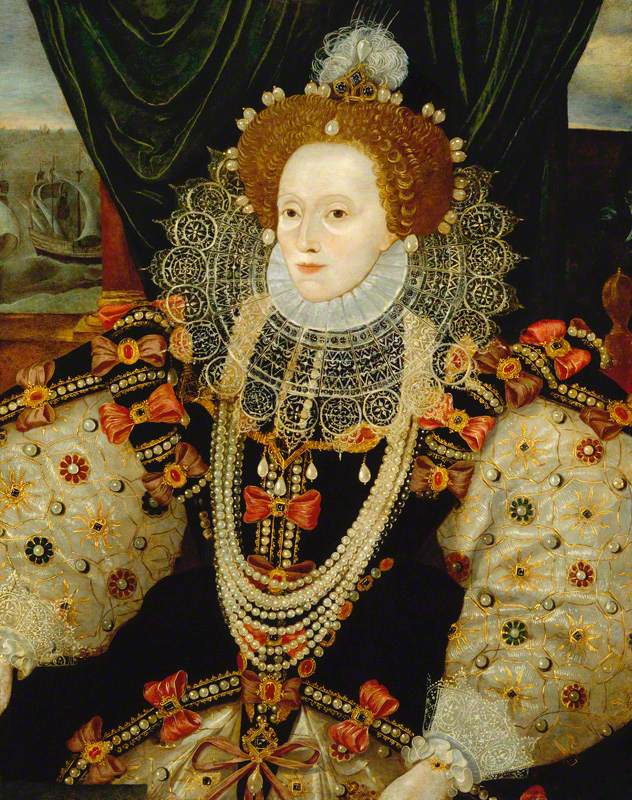
Elizabeth I, Parliament and the creation of new peers, 1558-1603
Ahead of next Tuesday’s Virtual IHR Parliaments, Politics and People seminar, we hear from Dr Andrew Thrush of the History of Parliament.…
-

The execution of Thomas Howard, 4th duke of Norfolk
As the 450th anniversary of the execution of the Elizabethan duke of Norfolk approaches, Dr Andrew Thrush, editor of our…
-

Prorogation Tide: Elizabeth I and the Parliament of 1572-81
In the sixteenth century, parliaments were not only summoned but also prorogued at the behest of the monarch. In this…