
Charles I
-
The Baronial Context of the 1641 Triennial Act
Dr David Scott, Editor of the 1640-60 House of Lords section, explores the role of the peers in securing the…
-
John Robartes, 2nd Baron Robartes of Truro (later earl of Radnor): reading in the revolution
In this guest article, Dr Sophie Aldred, lecturer in Early Modern History at the University of Oxford, explores the library…
-
John Potter, an unusual Archbishop of Canterbury
In the latest blog for the Georgian Lords, Dr Robin Eagles examines the career of one of the lesser known…
-

‘Good for nothing and lived like a hog’: the destructive obsession of Francis, Lord Deincourt
Dr Patrick Little of the 1640-60 Lords section, explores the strange life of a peer who valued money above everything.…
-
Approaching the ‘great Court of Justice now sitting’: petitioning and parliamentary memory in the Long Parliament (1640-1642)
Ahead of next Tuesday’s Parliaments, Politics and People seminar, we hear from Dr Ellen Paterson, Keble College, University of Oxford.…
-

‘History from above’ and ‘history from below’: the example of Philip Herbert, 4th earl of Pembroke, May to July 1641
Guest blogger Dr Fraser Dickinson uses the events surrounding Philip Herbert, 4th earl of Pembroke, between May and July 1641,…
-
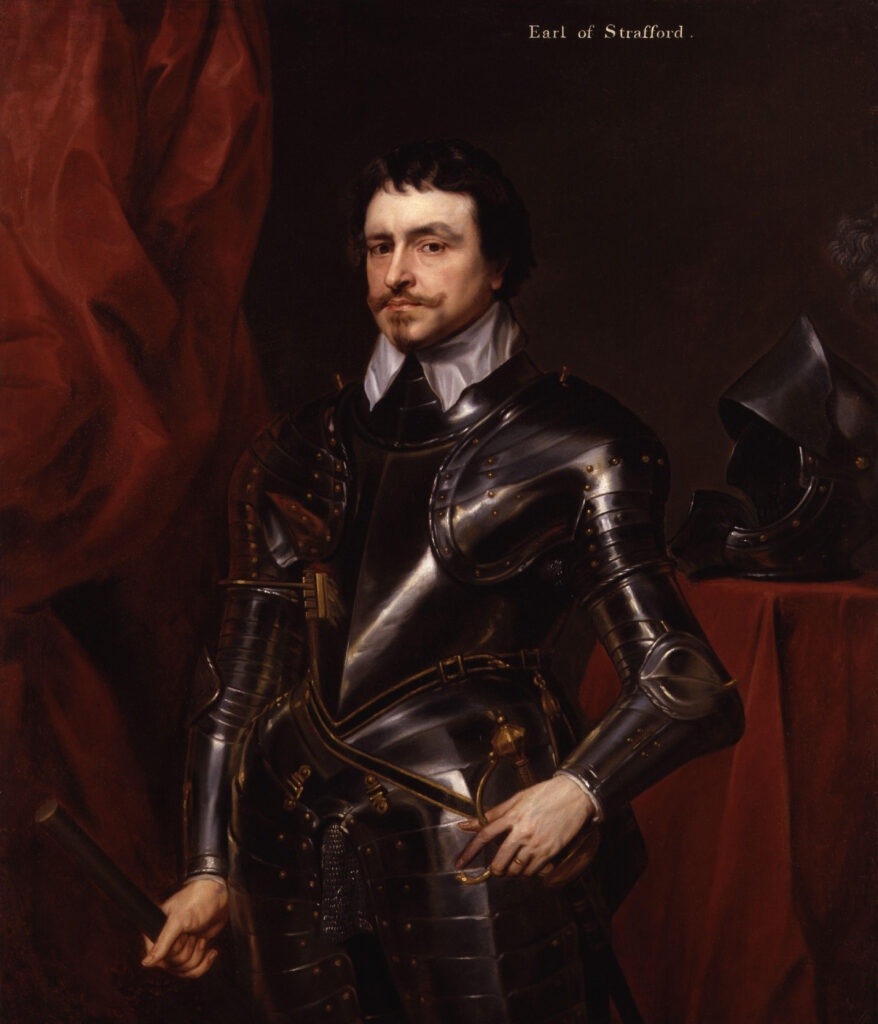
‘There is not a Minister on this Side, that knows any Thing I either write or intend, excepting the Master of the Rolls and Sir George Radcliffe’: Sir Thomas Wentworth’s reliance on his cabal in the Irish Parliaments of Charles I’s reign
Ahead of next Tuesday’s Parliaments, Politics and People seminar, we hear from Dr Charlotte Brownhill of the Open University. On…
-

The Caroline court and the political breakdown of 1641-42
In the latest Revolutionary Stuart Parliaments blog, guest blogger Dr Fraser Dickinson considers the changes in the fortunes of the circles…
-

The Lords and the Putney Debates
Following the victory of Parliament over King Charles I in the first English Civil War, the New Model Army, Charles,…
-

The 1626 coronation: Charles I’s botched political relaunch
After a shaky start to his reign, the king intended his coronation to bolster his personal image and agenda ahead…
-

Charles I in search of friends: government in crisis and the rewards of loyalty, 1640-1644
Today we hear from Dr Vivienne Larminie, editor of our Commons 1640-1660 project, who discusses Charles I’s attempts to secure…
-

One of our seals is missing! How a summer vacation brought Charles I’s government to a grinding halt
During the coronavirus pandemic we have grown used to government interventions disrupting our travel plans. However, in 1625 the government…