
18th Century history

  • ‘Robin the trickster’ versus ‘Stiff Dick’: the election of Robert Harley as Speaker of the Commons in 1701

    ‘Robin the trickster’ versus ‘Stiff Dick’: the election of Robert Harley as Speaker of the Commons in 1701

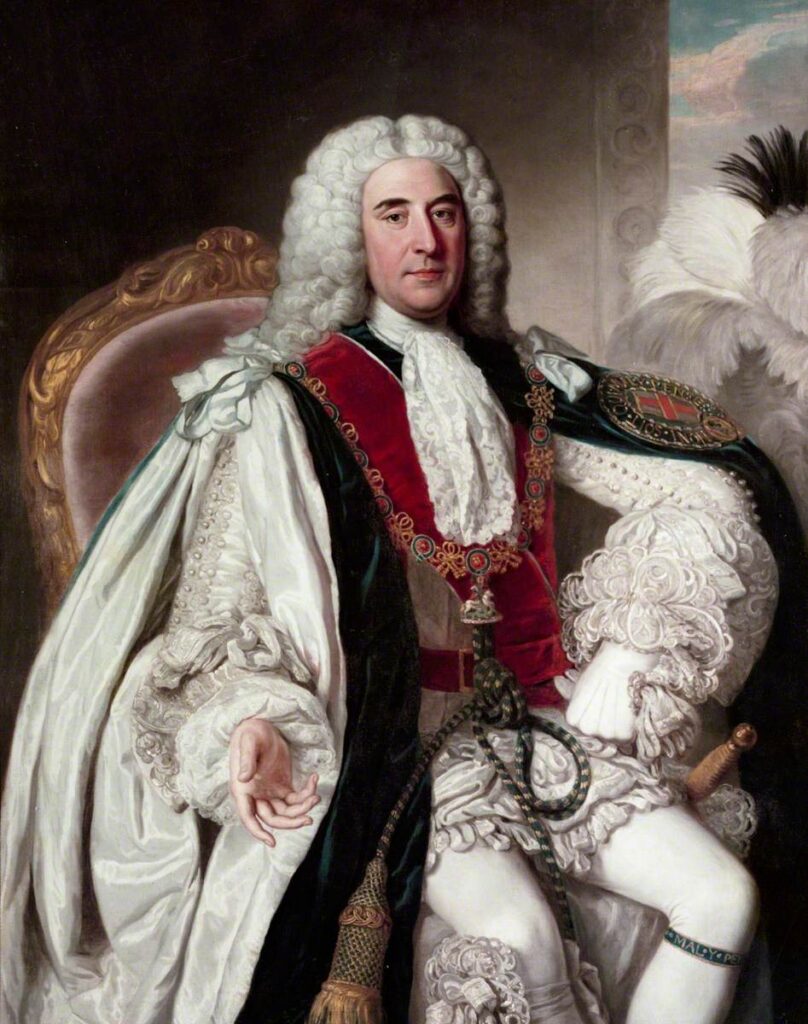
    In the latest in our series discussing some of the notable figures to occupy the role of Speaker of the House Dr Robin Eagles, editor of our Lords 1715-1790 project, discusses the contested election that led Robert Harley to the…

  • “From wickedness or from weakness”: the beginning of the end for Sir Robert Walpole

    “From wickedness or from weakness”: the beginning of the end for Sir Robert Walpole

    During July we welcomed year 12 student Thomas O’Donoghue to the History of Parliament office, to carry out a work experience placement with our research and outreach teams. During his time, Thomas worked with Dr Robin Eagles, editor of our…

  • ‘A frenzy of quitting’: the art of resigning in the 18th century

    ‘A frenzy of quitting’: the art of resigning in the 18th century

    In the latest blog for the Georgian Lords, Dr Charles Littleton considers two episodes in the mid-18th century when governments were subject to mass resignations… Between 5 and 7 July 2022, over 60 members of Boris Johnson’s government resigned, the…

  • To attend or not to attend: state trials during an outbreak of smallpox

    To attend or not to attend: state trials during an outbreak of smallpox

    In the latest blog for the Georgian Lords, Dr Robin Eagles considers the dilemma facing some peers summoned to attend the trials of the Jacobite peers after Culloden as London faced an outbreak of smallpox in the summer of 1746.…

  • Parliamentary Culture and Library History in Britain

    Parliamentary Culture and Library History in Britain

    Since autumn 2021, we have been working with the University of Oxford and the Centre for Intellectual History at the University of Oxford to put together series of blogs that explore European Parliamentary Culture. The series, built around the ‘Recovering Europe’s Parliamentary Culture, 1500-1700’ project, is…

  • Four Scots Lords: One line in a Poem

    Four Scots Lords: One line in a Poem

    Inspired by a reference in an early eighteenth-century poem, in the latest blog for the Georgian Lords, Dr Stuart Handley considers the interlinked careers of four Scots peers, who all sat in the House of Lords. The early eighteenth-century poem,…

  • The Last Peer Hanged for Murder

    The Last Peer Hanged for Murder

    In the latest blog for the Georgian Lords, Dr Robin Eagles re-examines the trial and execution of Laurence Shirley, 4th Earl Ferrers, the last British peer to be hanged for murder. Long before he came to the scaffold on 5…

  • ‘Why not you?’ Sir John Cust, reluctant Speaker of the House of Commons

    ‘Why not you?’ Sir John Cust, reluctant Speaker of the House of Commons

    It is one of Westminster’s many traditions that, when an MP is elected to the role of Speaker of the House of Commons, they must show reluctance to accept the title and even be ceremonially dragged to the chair. However…

  • The true premier? Charles Spencer, 3rd earl of Sunderland

    The true premier? Charles Spencer, 3rd earl of Sunderland

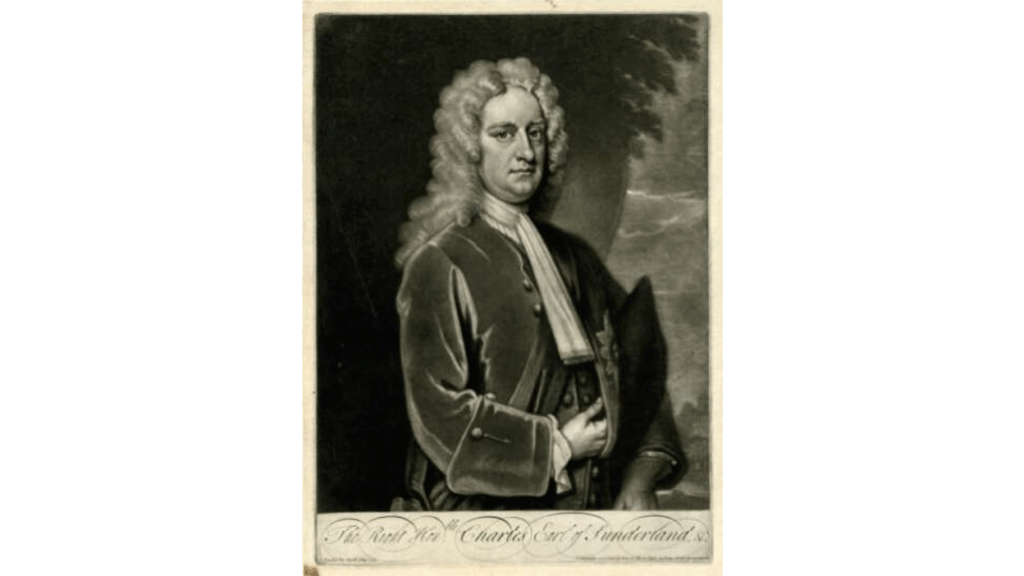
    300 years ago, on 19 April 1722, Charles Spencer, 3rd earl of Sunderland, Walpole’s rival for the premiership, died following his stakhanovite efforts during that year’s general election. Dr Robin Eagles reconsiders Sunderland’s legacy and his claim to have been…

  • Comings and goings: the other houses of Downing Street

    Comings and goings: the other houses of Downing Street

    Previously on the History of Parliament blog we looked into the history of No.10 Downing Street, the famous residence of the Prime Minister since the mid-18th century. But who called the other houses of this well-known street home? Dr Robin…

  • After the Levellers: On the Non-Mysterious Disappearance of Parliamentary Reform in England

    After the Levellers: On the Non-Mysterious Disappearance of Parliamentary Reform in England

    In our latest blog we’re returning to the ‘Recovering Europe’s Parliamentary Culture, 1500-1700’ project. Since late September, we’ve been working with the University of Oxford and the Centre for Intellectual History at the University of Oxford to put together series of blogs that explore European Parliamentary Culture. The series…

  • Female Dukes

    Female Dukes

    In the latest post for the Georgian Lords, Dr Stuart Handley considers the cases of peerages held by women in the 18th century, and the way in which they were able to exercise political influence even though denied a seat…