
18th Century history

  • Enter the Dragon: the education of Robert Harley

    Enter the Dragon: the education of Robert Harley

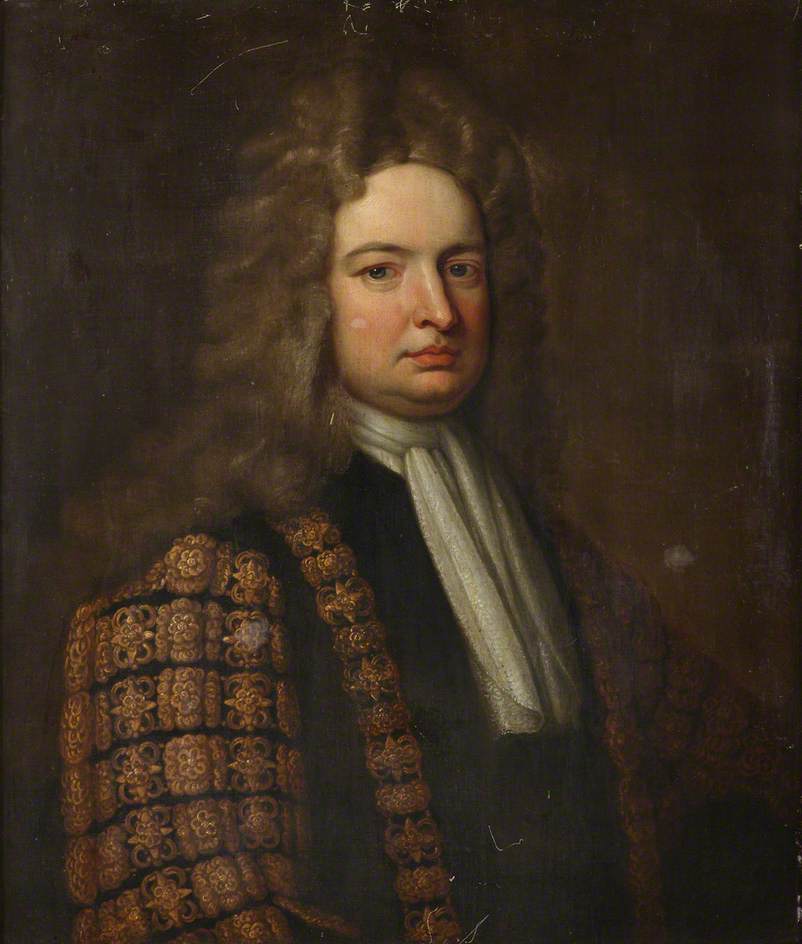
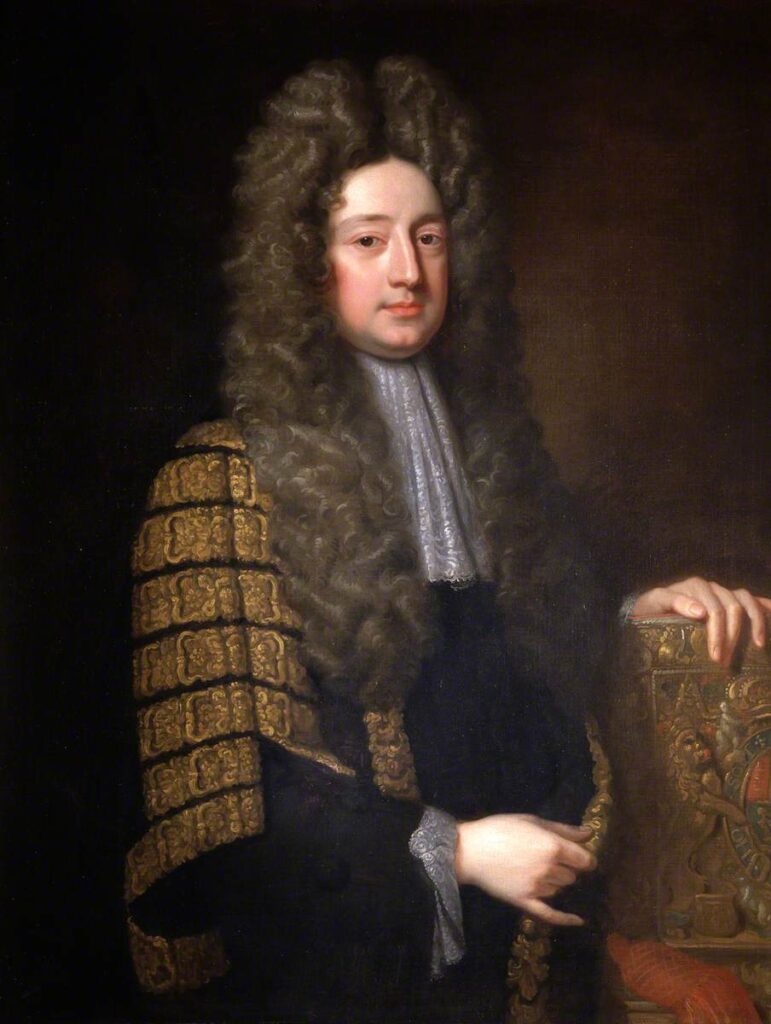
    Robert Harley (1661-1724) was in his late 20s when he was first elected to Parliament as MP for Tregony in April 1689. He would remain a member of Parliament, first of the Commons and then of the Lords, for the…

  • ‘Not voting at all’: the election of an imprisoned MP in 1769

    ‘Not voting at all’: the election of an imprisoned MP in 1769

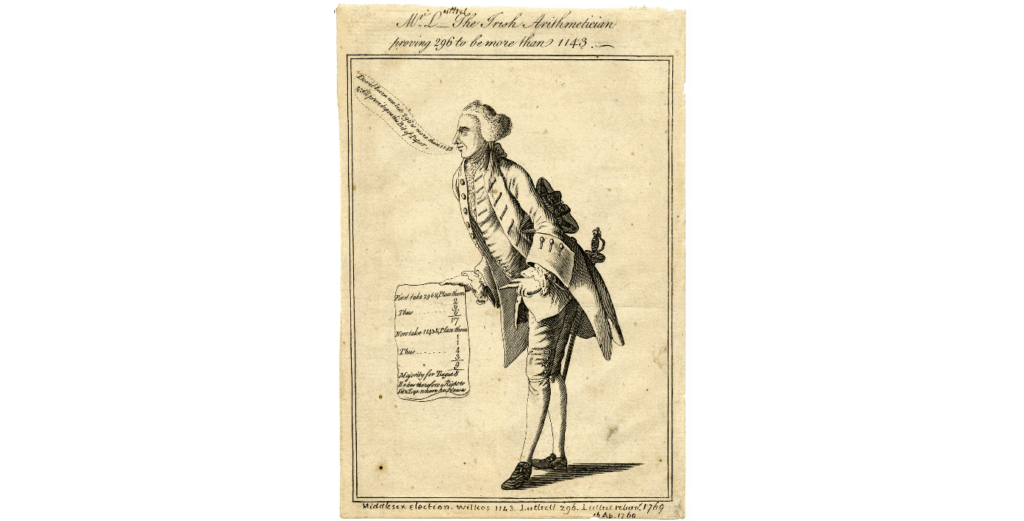
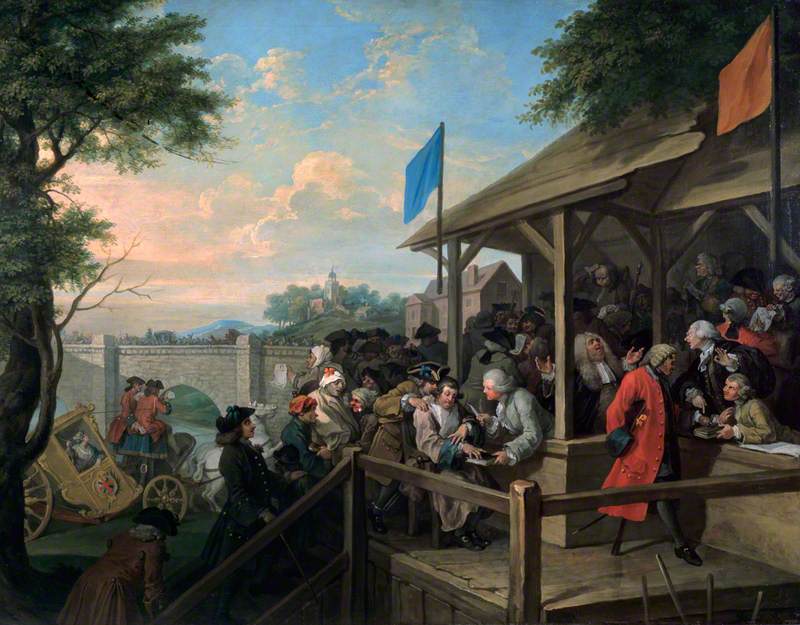
    2024 represents the 250th anniversary of John Wilkes’s re-election for Middlesex and election as Lord Mayor of London. It was by any measure a remarkable achievement for a man who had been expelled from Parliament and imprisoned; but what of…

  • The political identity of ‘inhabitant’ in early nineteenth-century England

    The political identity of ‘inhabitant’ in early nineteenth-century England

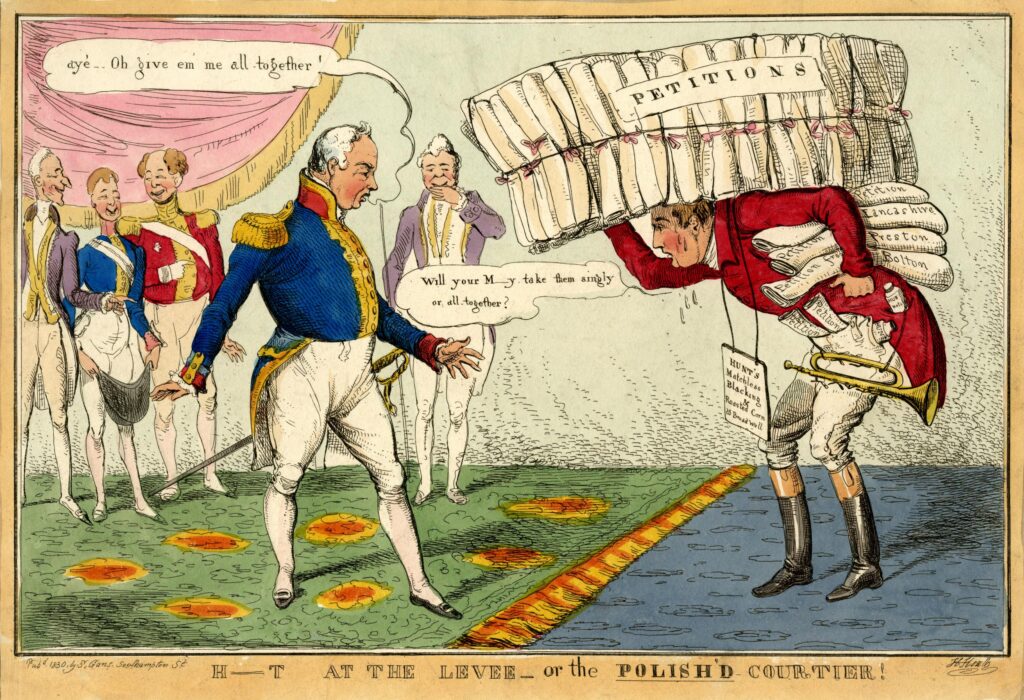
    Ahead of next Tuesday’s Parliaments, Politics and People seminar, we hear from Mary O’Connor of Somerville College, University of Oxford. On 12 March she will discuss the political identity of ‘inhabitant’ in early nineteenth-century England The seminar takes place on…

  • ‘A very good bed for old courtiers to rest in’: The 18th-century Post Office and its Postmasters-General

    ‘A very good bed for old courtiers to rest in’: The 18th-century Post Office and its Postmasters-General

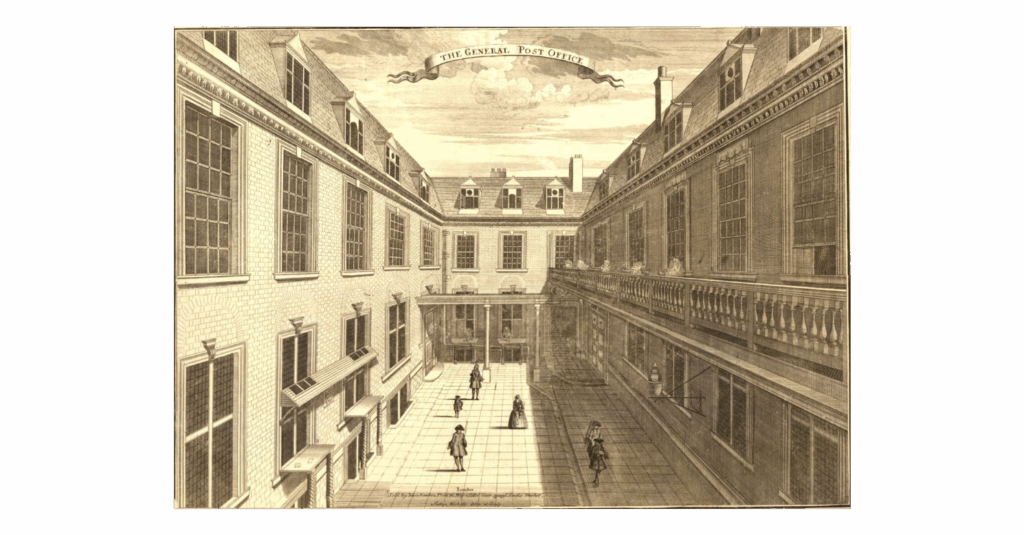
    Much attention has concentrated recently on the scandal surrounding the Post Office’s prosecutions of numerous sub-postmasters and -mistresses. The 18th-century Post Office was established and run on very different lines than that of today, but as Dr Charles Littleton shows,…

  • “Get a haircut”Celebrating the career of Lord Chancellor Cowper

    “Get a haircut”Celebrating the career of Lord Chancellor Cowper

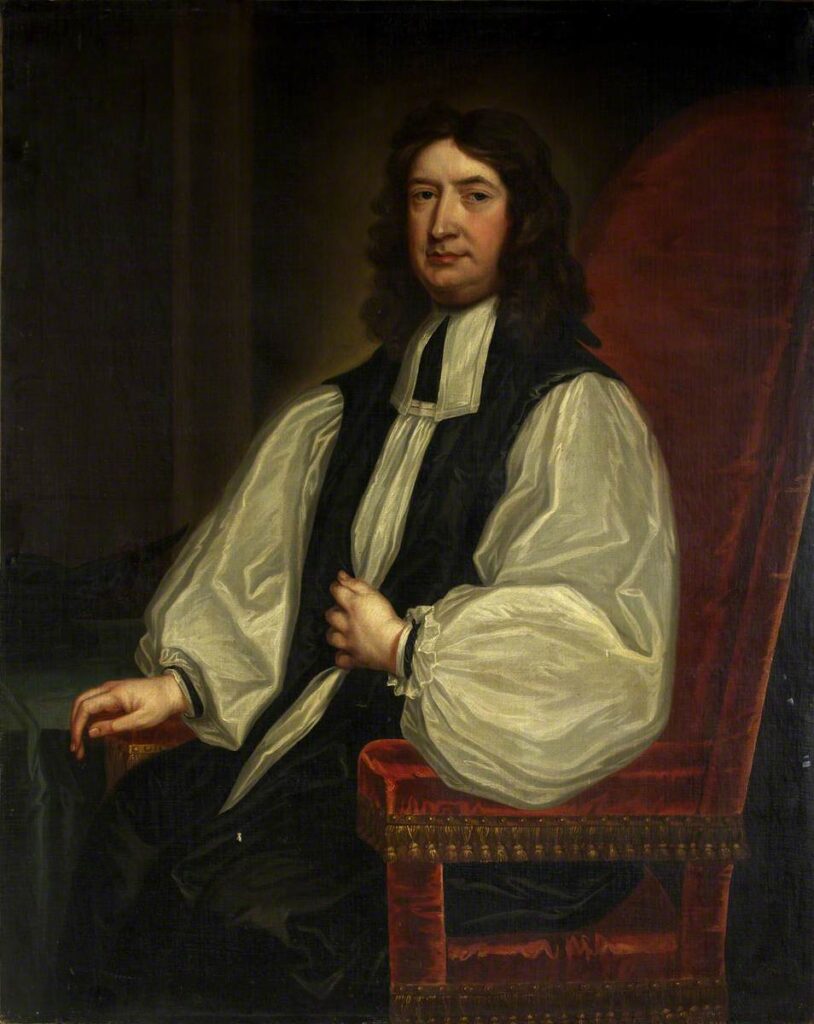
    10 May 2023 marked the 300th anniversary of the death of William Cowper, Earl Cowper, a rarity among political lawyers in that he served two terms as lord chancellor. Currently, the History of Parliament has two published accounts of his…

  • The earl of Abingdon and the treatment of American prisoners of war

    The earl of Abingdon and the treatment of American prisoners of war

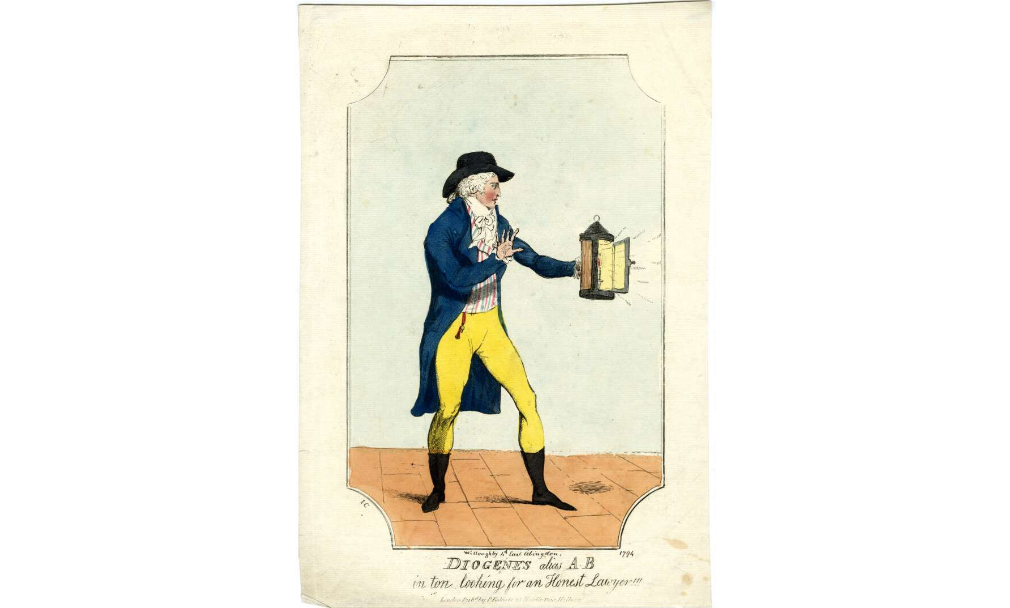
    In the latest post for the Georgian Lords, Dr Robin Eagles highlights the career of one of the House’s more eccentric orators: Willoughby Bertie, 4th earl of Abingdon: musician, breeder of champion race-horses and radical politician concerned about corruption at…

  • ‘True Blue’: the choice of political colours in the 18th century

    ‘True Blue’: the choice of political colours in the 18th century

    In British politics, we are now used to the idea of certain parties (or causes) being associated with particular colours. The Conservative party is blue; Labour red; the Greens are green. In the 18th century such notions were by no…

  • Women in charge? Parliament’s female Housekeepers and Necessary Women, c. 1690-1877

    Women in charge? Parliament’s female Housekeepers and Necessary Women, c. 1690-1877

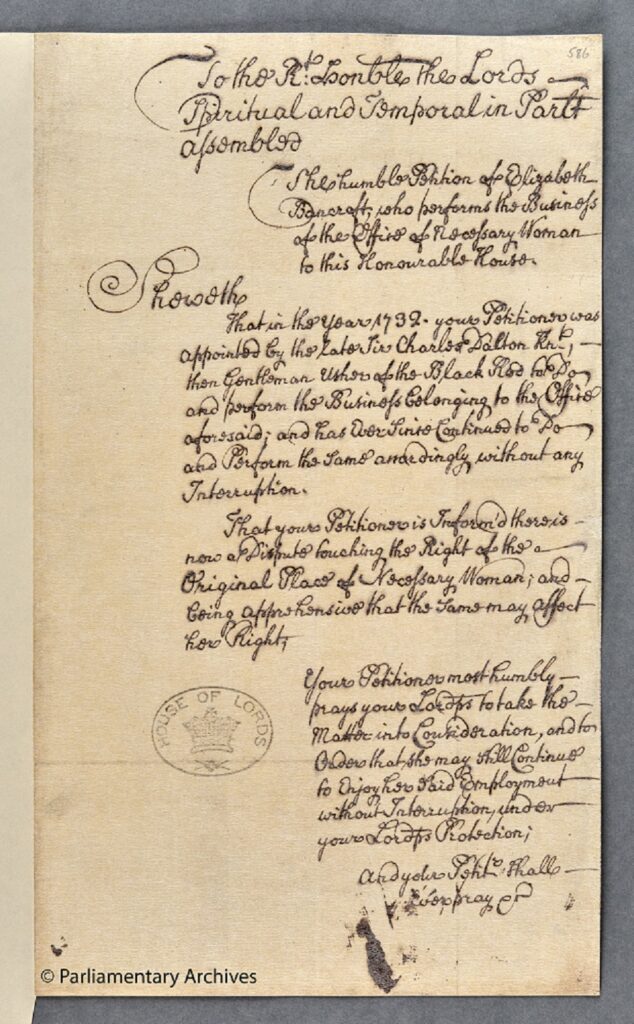
    Ahead of next Tuesday’s Parliaments, Politics and People seminar, we hear from Mari Takayanagi, senior archivist in the UK Parliamentary Archives, and Elizabeth Hallam Smith, historical research consultant at the Houses of Parliament. On 28 November they will discuss the…

  • Organise! Organise! Organise! Conference Reflections

    Organise! Organise! Organise! Conference Reflections

    Continuing our series reflecting on the Organise! Organise! Organise! conference hosted by Durham University and supported by the History of Parliament, guest blogger, Patrick Duffy, PhD candidate at Trinity College, Dublin, discusses the new interdisciplinary approaches presented at this conference. The Organise!…

  • Loud enough to wake the dead? Fireworks and celebration in the mid-18th century

    Loud enough to wake the dead? Fireworks and celebration in the mid-18th century

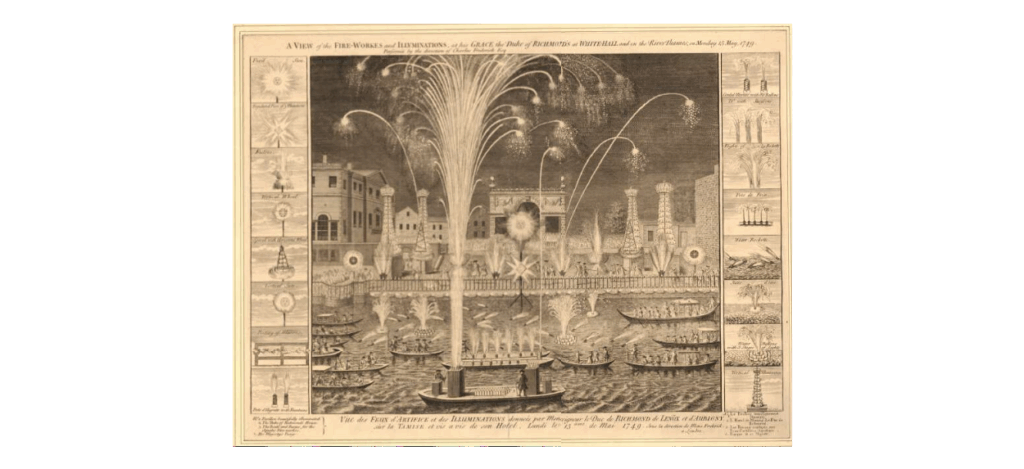
    With Guy Fawkes night almost upon us, we can expect to see and hear fireworks going off all across the country. A previous blog showed how throughout the late 17th century, fireworks and bonfires were used to mark the momentous…

  • Catherine Despard (c.1755-1815): Wife, Mother, Radical advocate 

    Catherine Despard (c.1755-1815): Wife, Mother, Radical advocate 

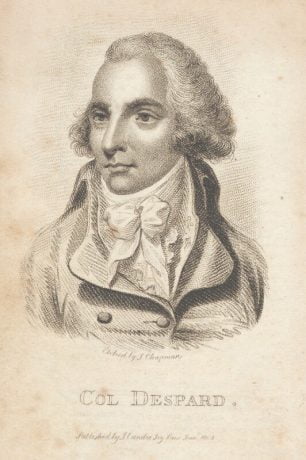
    You may have heard of Catherine Despard from the television series Poldark. In this blog Helen Wilson, PhD candidate with the History of Parliament and Open University, who is researching the Black and Mixed Ethnicity Presence in British Politics, 1750-1850,…

  • The Early Career of Hugh Boulter, Archbishop of Armagh

    The Early Career of Hugh Boulter, Archbishop of Armagh

    In the latest blog for the Georgian Lords, Dr Stuart Handley re-examines the early career of Hugh Boulter, briefly bishop of Bristol before being posted to Ireland, offering some corrections to his life story. Thomas Lindsay, archbishop of Armagh, died…