
16th Century history
-
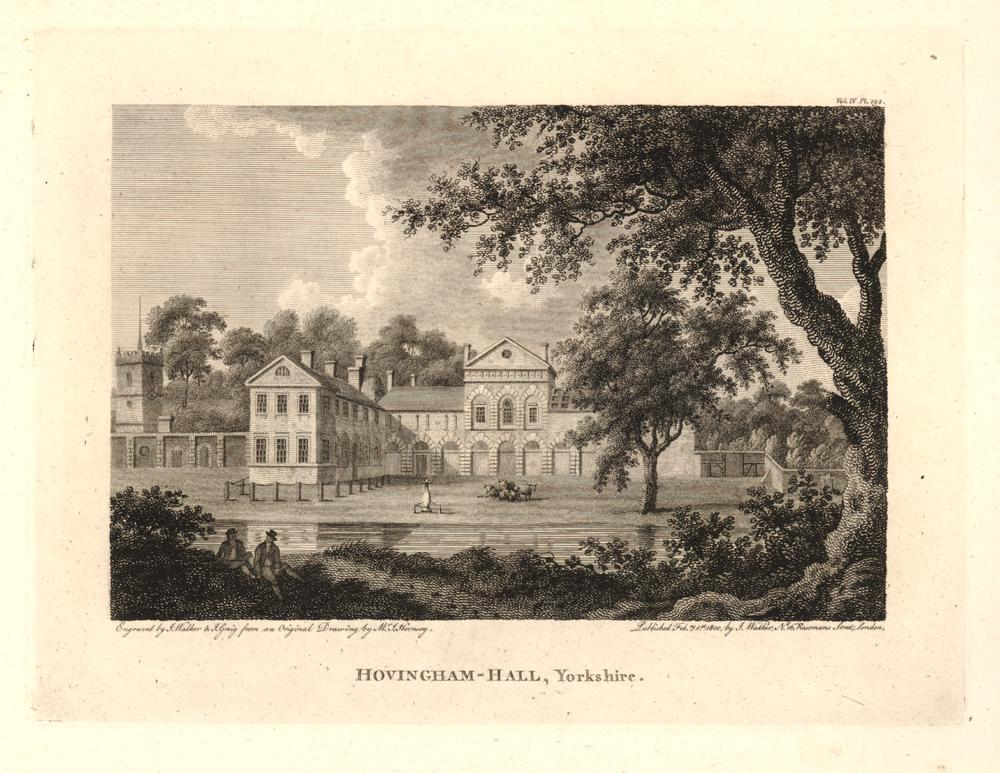
Descended from a giant: the Worsleys of Hovingham
The recent death of HRH the Duchess of Kent, who was married to the late queen’s cousin at York Minister…
-

Reframing the political narrative, Tudor-style: the Westminster conference of 1559
The use of social media to influence political opinion has become a contentious issue in the past few years. However,…
-
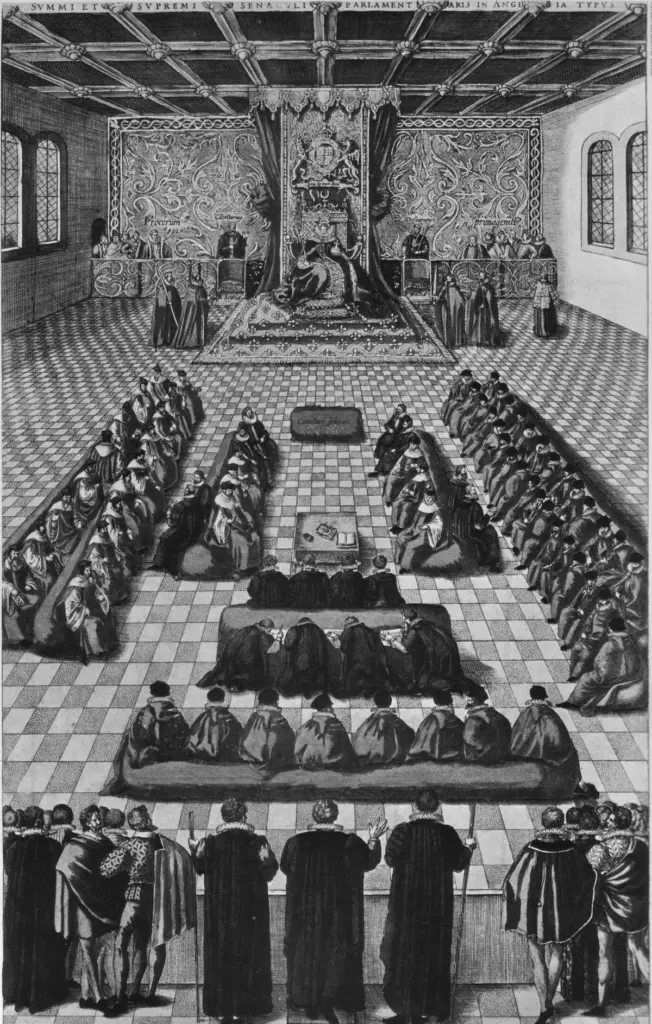
Parliament and the Church, c.1530-c.1630
In this blog, Dr Alex Beeton reviews a fascinating colloquium, held recently at the History of Parliament’s office in Bloomsbury…
-

The 1580 Dover Straits Earthquake
On 6 April 1580, as Queen Elizabeth I was taking the air in the fields around Whitehall, south-east England experienced…
-

Hugh Oldham, bishop of Exeter, ‘hath more poison in that grete fowle bely of hys then all the Bysshoppes in Englond’: scandalum magnatum in early-sixteenth century England
For the first article of 2025, Dr Simon Payling of our Commons 1461-1504 Section, explores the use of a unique…
-

When tinsel was only for the rich: dressing to impress in early modern England
Wondering what to wear to a Christmas or New Year party? Deciding how to look one’s best can be a…
-
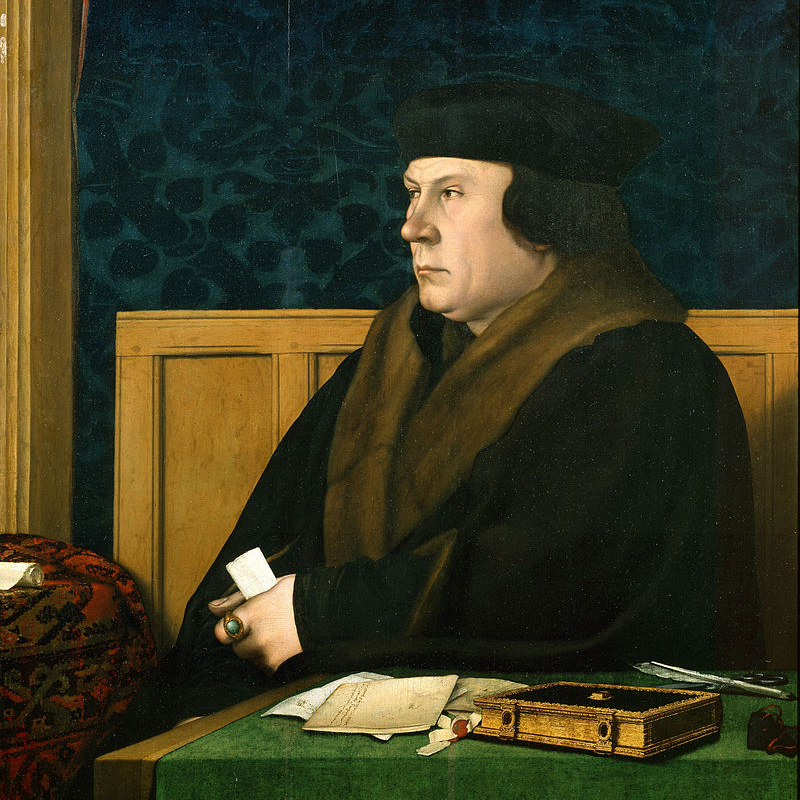
The Last of the Cromwells
The current BBC production of Wolf Hall: the Mirror and the Light, the last of Hilary Mantel’s novels charting the…
-

Richard Bancroft and the English mission to Emden, 1600
Richard Bancroft is well known to students of late Elizabethan and Jacobean England. A relentless enemy to nonconformist puritans, Bancroft…
-

Poison and the Tudor nobility: the De La Warr peerage case
With House of Lords membership once again on the political agenda, Dr Ben Coates of our Lords 1558-1603 section explores…
-
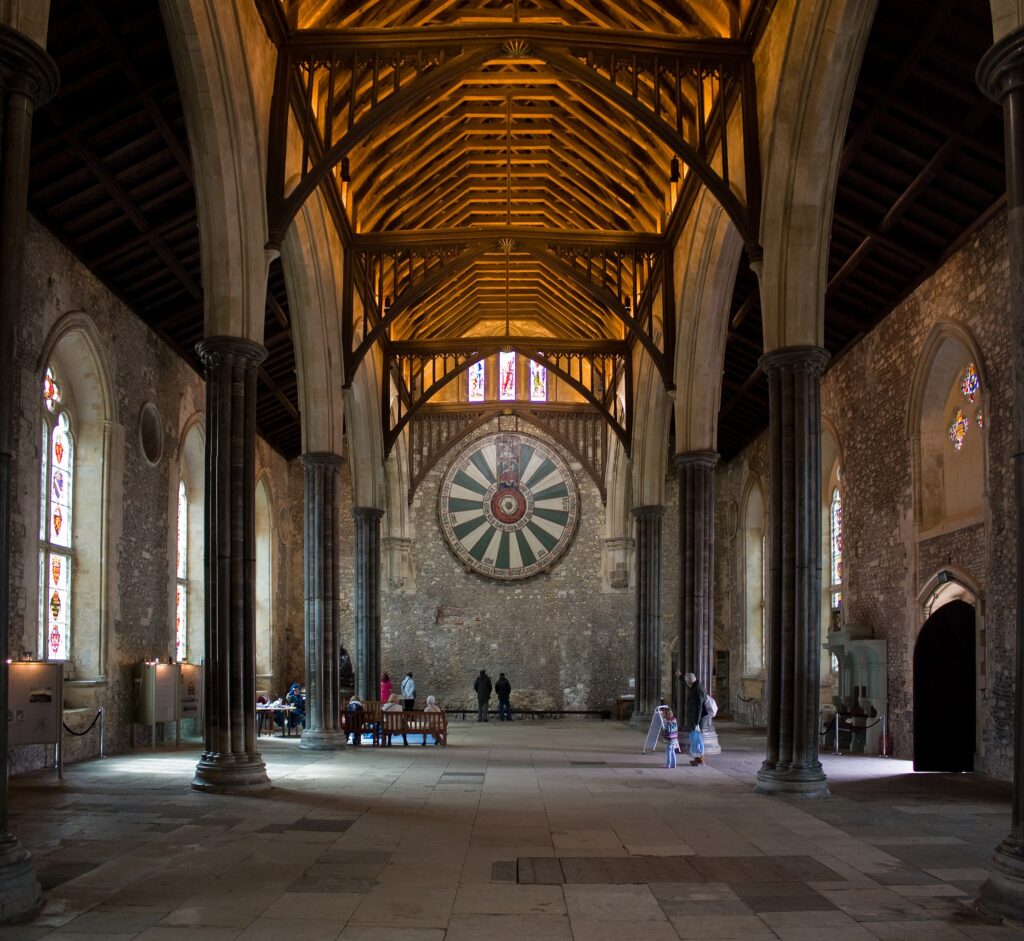
Winchester v. Winchester: rivalries and election-rigging in 1560s Hampshire
Whatever the outcome of a modern election, the process of voting is predictable, reliable, and well-understood. However, in the sixteenth…
-

A prisoner in the Lords: the curious case of William Grey, 13th Lord Grey of Wilton
The first Elizabethan Parliament (1559) famously witnessed the restoration of the royal supremacy and paved the way for the reintroduction…
-

Elizabeth I’s Swedish lady of the privy chamber: Helena Ulfsdotter née Snakenborg, marchioness of Northampton
As we mark Women’s History Month throughout March, here Dr Andrew Thrush, editor of our Lords 1558-1603 project, looks into…