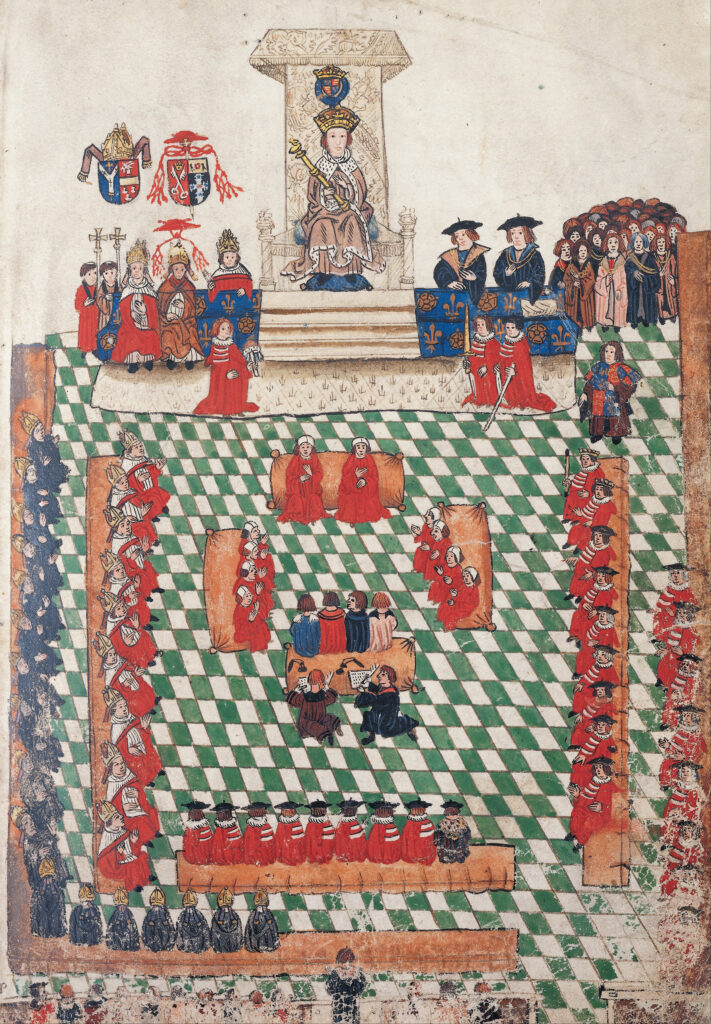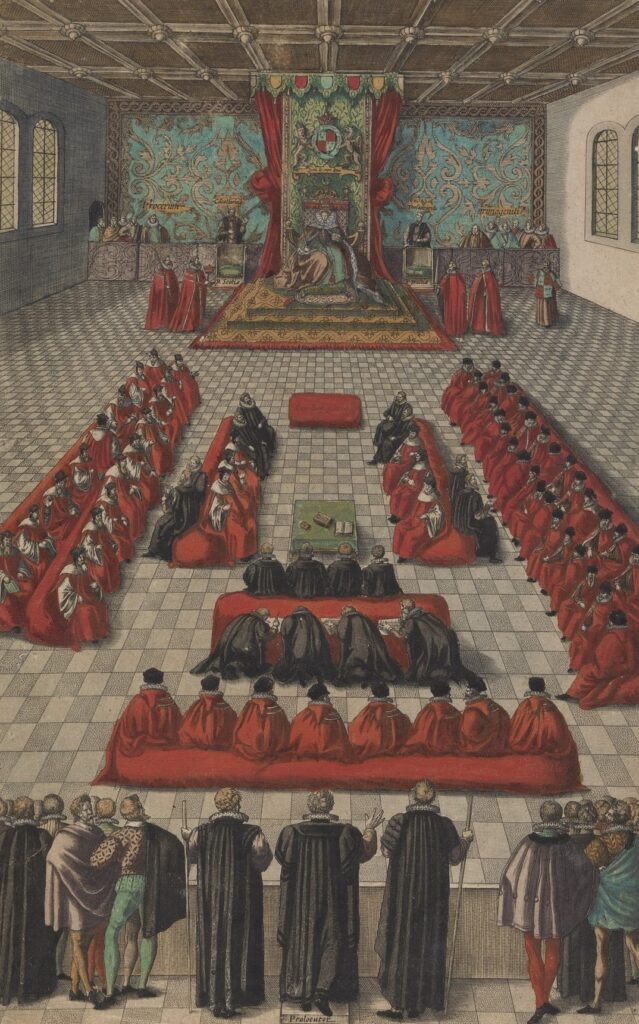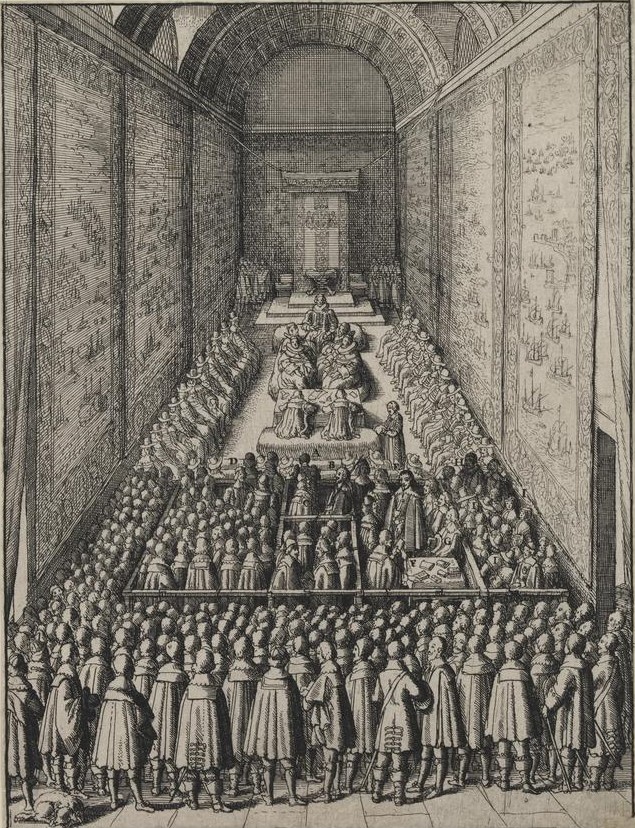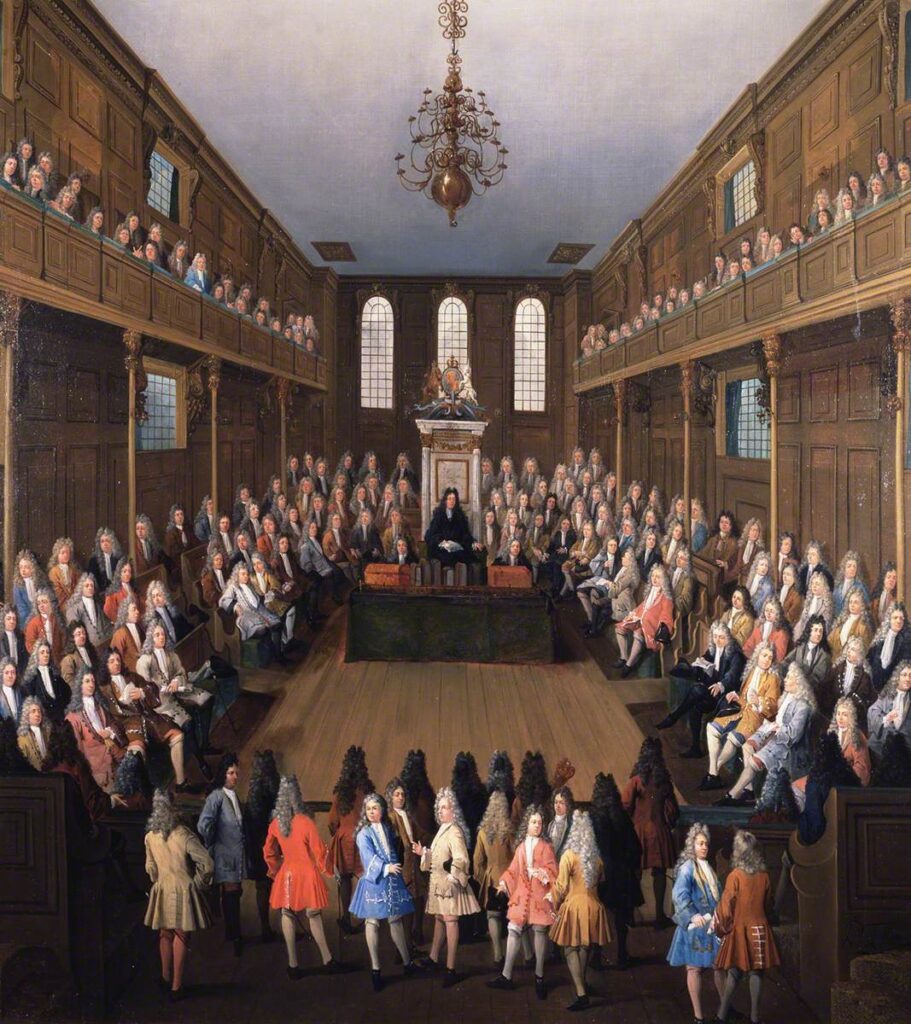
Parliament’s structure consists of three main parts: the House of Commons, the House of Lords and the Monarch.
The House of Commons
is formed of publicly elected Members of Parliament (MPs) representing constituencies across the United Kingdom, who debate, propose and consider new laws and current policies, either in the chamber or in committees.
The House of Lords
is the second chamber, independent from the Commons. It also debates and helps shape new laws. It is formed of Lords, who have either been appointed as Life Peers by the Monarch under the advice of the government, hold a hereditary peerage, or are one of the select number of Church of England bishops able to sit in the chamber.
The Monarch
now has a largely ceremonial role in Parliament, including opening and closing parliamentary sessions (although this can be done by a Royal Commission). The Monarch also gives royal assent to bills that have been approved by the Commons and the Lords, turning a bill into an Act of Parliament.
The everyday work of Parliament takes place across two chambers: the House of Commons and the House of Lords. This is known as a bicameral system.
However, Parliament has not always operated in this manner and much has changed since its emergence, including its make-up, location and the balance of power.
Balance of Power
Medieval Period
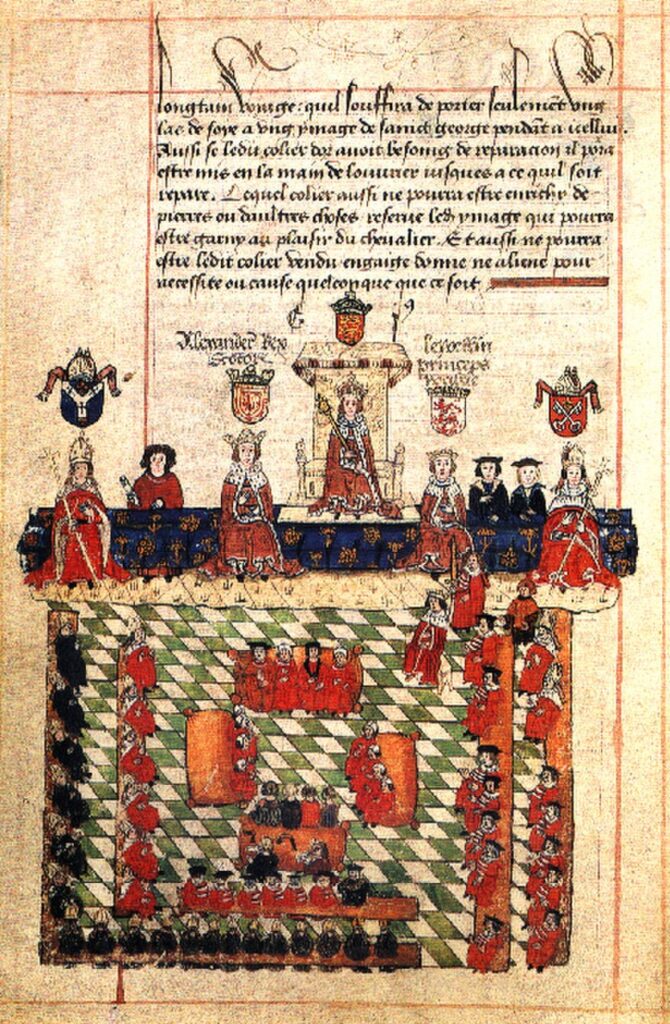
The origins of Parliament can be found in the Anglo-Saxon ‘witan’, which brought leading nobles, churchmen and representatives of major towns together with the Monarch for ceremonial, law-making and decision-making purposes. This then evolved into medieval councils that gave advice to rulers in England. These councils developed in the 13th century as the terms of Magna Carta (1215) dictated that the Monarch must gain approval from a council to raise taxes. This council was first called a ‘Parliament’ in 1236.
Although these assemblies of prominent men can be seen as the origins of what would become the House of Lords, occasionally these meetings were extended to include a selection of men who may not have been of high rank but were in good standing in their localities.
The session gathered by Simon de Montfort in 1265 is often considered to be the first Parliament as we would understand it today, with elected representatives from towns and shires (counties) attending Parliament along with the nobility and clergy. This would become more commonplace in the 14th century and this inclusion of local representatives eventually developed into what we now know as the House of Commons.
Although the Commons now had its place in Parliament, this did not necessarily mean it had a meaningful role in forming policy. Rather, this was still determined by the Monarch and the Lords, with the Commons told to grant the Crown’s wishes. So, Parliament in this period amplified royal power rather than limited it.
By 1341, the Commons met separately from the nobility and clergy, effectively creating an Upper and Lower chamber. From 1544 onwards the Upper chamber became known as the House of Lords, and the Lower chamber as the House of Commons, collectively known as the Houses of Parliament.
Tudor and Early Stuart Period
Parliament evolved significantly during this period. Following the Protestant Reformation’s sweep across Europe and the Pope denying Henry VIII’s marriage annulment, laws were passed to transfer religious authority from the Pope to the English Monarch. The Church of England therefore broke away from Rome, limiting the power of the Catholic Church and giving the English state greater power over citizens’ lives.
The Commons itself also changed during this period. Under Henry VIII, the parliamentary procedure of division was adopted. This allowed the King to know who was on his side and, more importantly, who was not. In the early 17th century Parliament introduced Committees of the Whole House. These significantly changed the structure of members’ days (previously split neatly between debating in the Chamber and speaking in bill committees) which, crucially, provided Members with the ability to speak more freely. Rather than being chaired by the Speaker, who during this period was pre-selected by the Monarch, Committees of the Whole House were chaired by someone chosen by the House itself. The influence of the Monarch was therefore removed from the Chamber, giving Members a greater sense of independence. This would become an important tool as the Commons and Monarch increasingly came into conflict as the period went on.
In 1604 the Crown acknowledged the Commons’ right to determine the outcome of disputed elections. Later, in 1621, the Commons also revived the power of impeachment,meaning that ministers could be held accountable by Parliament, and even removed from office.
The Lords generally fell in with the Crown’s wishes during this time, but did challenge Elizabeth I’s succession and return to Protestantism. Later, in 1621, the Lords drew up their first ever roll of Standing Orders. Many peers at this time had little experience of Parliament and would side predominantly with the Monarch. However, after the rise of James I’s favourite, the Duke of Buckingham, the House was far less easy to control.
Read about the impact of the relationship between James I and the Duke of Buckingham here.
Civil War Period
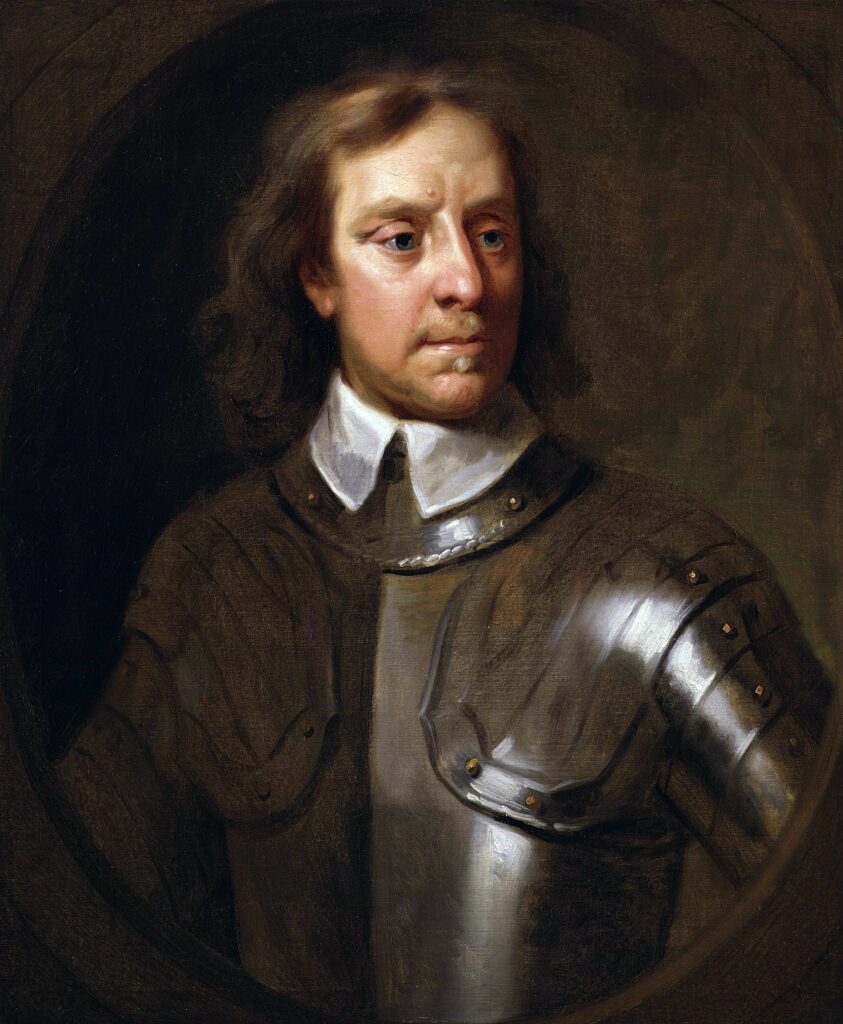
The period before, during and after the English Civil Wars saw huge changes take place to the structure of Parliament and the powers it exercised. Parliament by this point was firmly embedded in the state and taxation which was agreed to by Parliament was the only way to legally finance the government.
This was an issue at the centre of the reigns of both James I and then his son Charles I, as they became frustrated with how politicians used their powers of granting taxation to bargain with the Monarch.
Late Stuart and Georgian Period
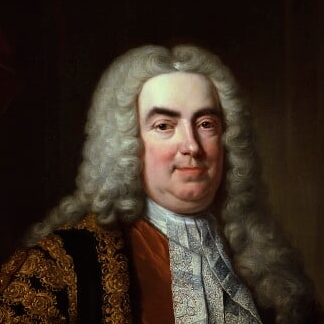
A significant feature of Parliament as we know it today emerged during this period: the role of Prime Minister. Robert Walpole is widely regarded as the first Prime Minister of Great Britain, as in 1721 he took on the roles of First Lord of the Treasury, Chancellor of the Exchequer and Leader of the House of Commons. After he left office in 1742 the tradition of the post continued.
Another key development during this period was the emergence of the two major parties that would dominate politics for the next century: the Whigs and the Tories. The Whigs believed that James, duke of York, Charles II’s brother and heir presumptive, should be excluded from the line of succession to the throne because he was a Roman Catholic. Whereas on the other side, the Tories stood by the Court and defended James’s hereditary right to the throne.
Queen Anne’s reign saw fierce competition between the two parties. Although the Tories dominated during Anne’s final government, after her death in 1714 they were effectively denied power for almost 50 years as many were thought to be too closely associated with James II’s exiled son.
The following period of Whig control wasn’t neat, however, as their party was made up of many different groups, gathered around different political figures. After George III came to the throne, the Tories once again returned to power. Their most prominent government during this time was led by William Pitt the Younger- but he actually considered himself to be an independent Whig!
At this time the House of Lords had some privileges different to the Commons. For example, members could assign a fellow Lord to vote for them by proxy, if they couldn’t attend the Chamber. They were also able to register a written dissent or protest if they were unhappy with the result of a division. These were often published so the general public might be able to read why lords had objected to a particular measure. In terms of overall power, it was during this period that the Lords effectively conceded to the Commons’ superiority over financial matters, but that did not mean that the Lords was not at times very powerful. Some of the most accomplished speakers were in the Lords and it was in the upper chamber that some key set pieces were played out.
Did you know that both ‘Whig’ and ‘Tory’ originated as insults?
‘Whig’ comes from ‘Whiggamore’, a name for Scottish Protestant cattle rustlers.
‘Tory’ was a term used to describe a group of Irish Catholic bandits.
Victorian, Edwardian & Interwar Period
The 1832 Reform Act was a major milestone in the history of Parliament. As well as altering who had the right to vote, it removed small and corrupt constituencies, with seats given instead to counties and major towns which had not had their own MPs before. This dramatically changed the make-up of the House of Commons, and it has often been said that the effects of the 1832 Reform Act also reduced the power of the House of Lords.
During the 19th century, another major development in the Commons was the rise in the importance of political parties, as by the end of the century MPs were much more likely to vote the way of their party leaders.
Even though the power of the Lords seemed to be reducing, during this period it was not unusual for the Prime Minister to be a member of the Lords rather than an MP, with more prime ministers serving from the Lords than from the Commons in the 19th century. There were also several occasions when the Lords made the Commons postpone or rethink major changes to the law, including parliamentary reform in 1884 and Irish Home Rule in 1893.
However, the 1911 Parliament Act officially decreased their power, restricting the Lords’ ability to veto (block) legislation and removing any power they had over finance bills.
Find out more about the role and power of the Victorian House of Lords, here
Post-War Period
The reduction to the power of the House of Lords continued throughout the 20th century. The 1949 Parliament Act built on the measure passed in 1911, cutting the time that the House of Lords can delay bills from two years to one. The ‘Salisbury convention’, named after the then Leader of the Lords, also emerged, which stated that the Lords would not block bills included in a government’s manifesto.
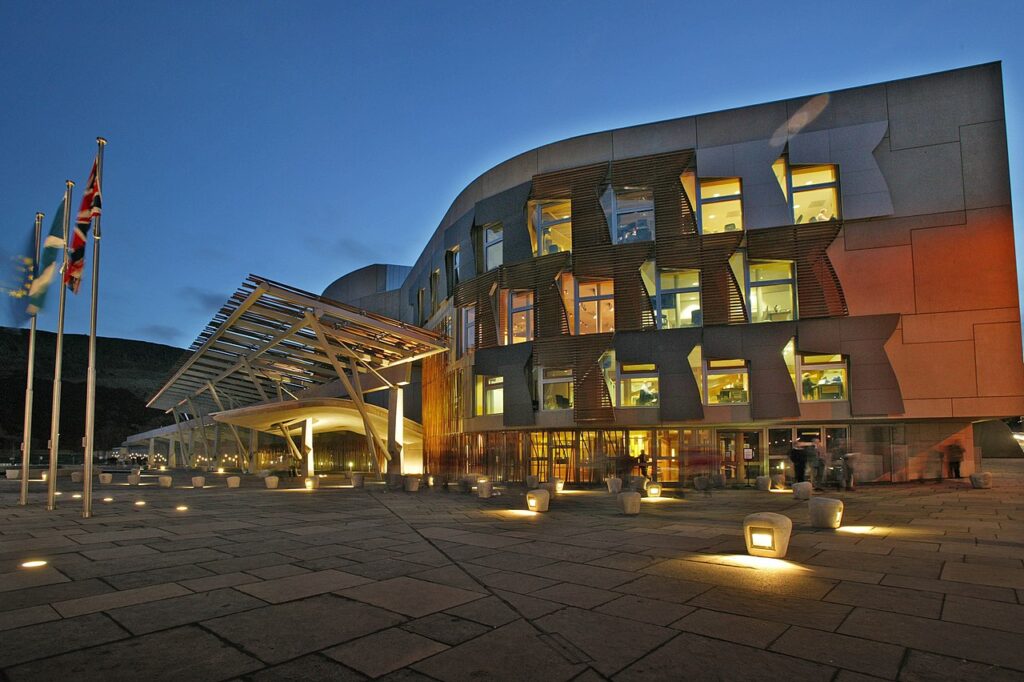
Other changes included the Devolution Acts (1998-9) which established a Parliament in Scotland and assemblies in Wales and Northern Ireland. In the late 20th century modernisation committees in the House also began to change work culture in the Commons, bringing an end to the practice of working late into the night. These reforms, alongside the increasing number of women in the chamber, have changed Parliament’s culture significantly, but women still do not have equal representation in the House.
The coalition government of 2010 introduced the 2011 Fixed-term Parliaments Act, which for the first time fixed a default election date for general elections to take place every five years. This was then repealed in 2022, giving the power to call an election back to the Prime Minister.
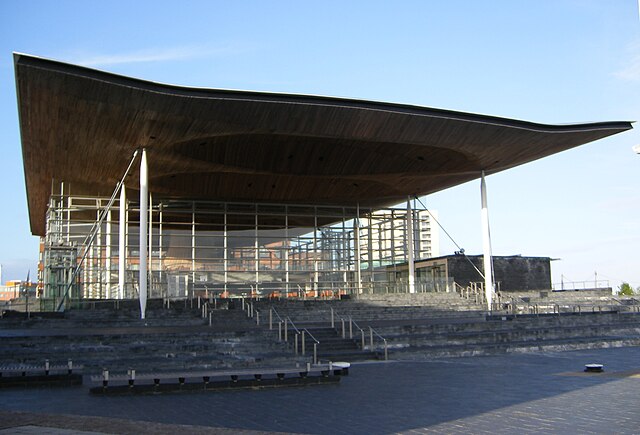
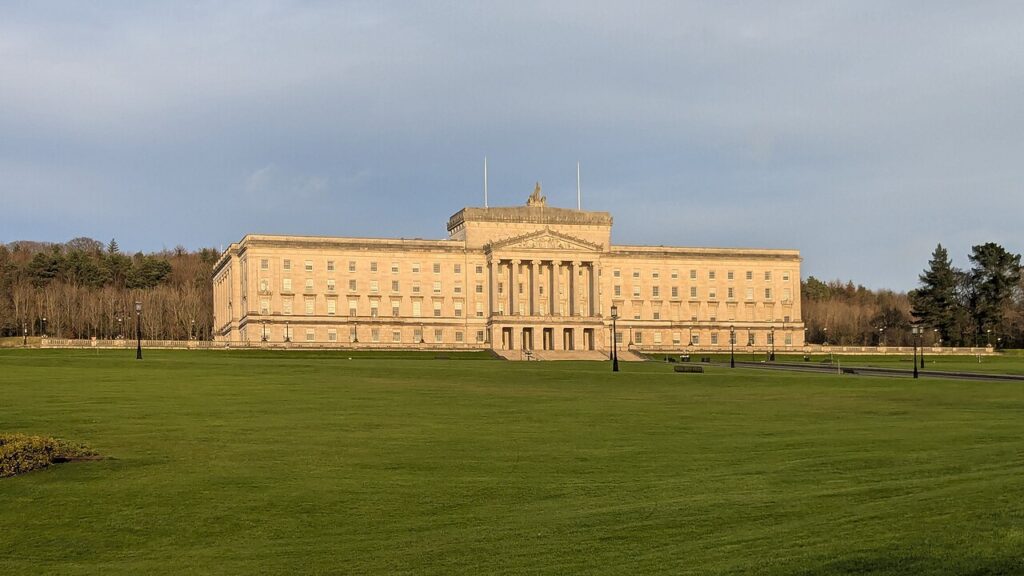
So, from its early beginnings as an assembly of prominent men summoned to fulfil the Monarch’s wishes, Parliament has evolved dramatically since the 13th century. The House of Commons as a democratically elected house now holds the most significant political influence, with a diminished role for the Monarch and those in the House of Lords.
Membership of Parliament
In early parliamentary councils called to advise the Monarch, the Commons and Lords sat together, which continued until the early 15th century. However, there were always clear distinctions in the status of these two groups.
Commons
Those who sat in the medieval House of Commons were elected members chosen to represent local areas at parliamentary councils. Knights were elected from shires, while burgesses and citizens from a selection of towns and cities were also summoned to attend Parliaments in the medieval period.
Lords
Those who sat in the medieval House of Lords were of two types: Lords Spiritual (bishops and abbots) and Lords Temporal (members of the nobility, also known as peers).
Composition of the Houses
As well as the fluctuating number of MPs and peers since the 13th century, who is allowed to sit in the chambers has also changed quite drastically.
In the 17th century, with growing anti-Catholic sentiment brewing, Parliament barred non-Anglican individuals including Roman Catholics from taking public office. Protestant Dissenters, those who separated from the Church of England, were also barred. This was extended to include members of both Houses in 1678. It was only in the early 1800s that members from different religious backgrounds were eventually accepted: Protestant Dissenters in 1828, Catholics in 1829, Quakers in 1833 and Jews in 1858.
Multi-seat constituencies were largely removed in the UK by the Redistribution of Seats Act 1885, which made single-member seats the norm, but some, like university seats and the City of London, persisted until the 1950 General Election, when the last ones (including the university seats) were abolished.
Women were also unable to sit in either house until 1918, even those who held hereditary peerages. In 1918 the Parliament (Qualification of Women) Act enabled women to stand for election as MPs for the first time. Although the number of female MPs remained very small for most of the century, in 1997, 120 female MPs were elected, the first time a significant number of women entered the chamber at once. It was in 1958, after the Life Peerages Act, that women could be appointed as life peers and sit in the House for the first time. In 1963, the Peerage Act finally granted female hereditary peers the ability to sit in the House.
Since the election of four minority ethnic MPs (Diane Abbott, Paul Boateng, Keith Vaz and Bernie Grant) in 1987, Parliament has become more ethnically diverse. Although they were not the first minority ethnic MPs, their election marked a significant change, and most recently 90 minority ethnic MPs were returned at the 2024 General Election. Recent research into figures like Peter McLagan, the first Black Scottish MP (Linlithgowshire, 1865-93), is gradually unearthing new stories of ethnic diversity within Parliament across history.
[GRAPH and further reading]
Location of Parliament
Parliament has been based in or around Westminster since the 15th century, but it has not always been bound to this area of London, sometimes even meeting away from the city when forced by events or certain circumstances.
The Commons had its earliest meetings in the chapter house of Westminster Abbey, but by the 15th century they more commonly met in the monks’ refectory. From 1470, the Lords met in the Lesser (or White) Hall of the Palace of Westminster.
In a significant change, after the Dissolution of the Monasteries in the mid-16th century, the old chapel of St Stephen, the chapel used for worship within the royal Palace of Westminster, became the dedicated home of the Commons. The House of Lords took over rooms previously for personal use by the monarch and Westminster became Parliament’s official home.
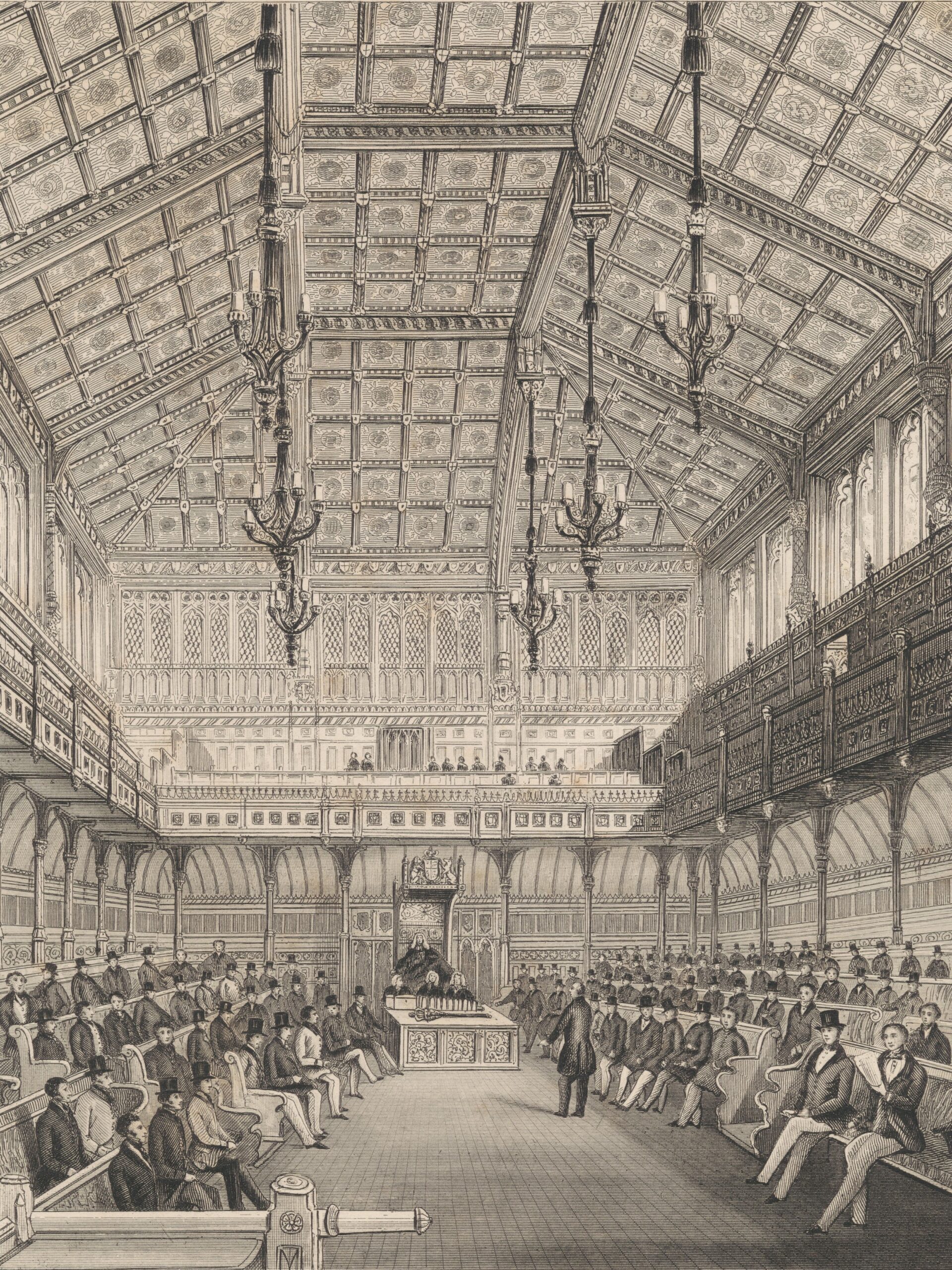
Until 1834 MPs used St Stephen’s Chapel as the primary chamber of the House of Commons, which was extended after the Act of Union in 1800 to accommodate an extra 100 Irish MPs. Visitors were able to watch debates from the strangers’ gallery, and whilst women were banned from the chamber, they instead listened to debates from the attic space above, known as ‘the ventilator’.
In October 1834 a fire broke out in the area underneath the House of Lords, destroying most of the old Palace of Westminster. The only significant part of the building to survive was Westminster Hall, which dates back to 1097. During the late 1830s and 1840s MPs and peers had to be housed in temporary accommodation.
For more information on the Victorian House of Commons:
‘”Like herrings in a barrel”: the chamber of the House of Commons prior to 1834’
‘Four prorogations and a conflagration: Parliament and its buildings in 1834’
A new Palace of Westminster therefore had to be built, but this time they could create a space designed specifically for Parliament and the needs of MPs and peers. The chief architect of the new Palace was Charles Barry, assisted by Augustus Pugin. The new House of Lords chamber was used for the first time in 1847, but MPs had to wait until 1852 to move into their chamber. As well as the strangers’ gallery, it had separate galleries for women and reporters. It also had two division lobbies, making it quicker to take votes in the Commons.
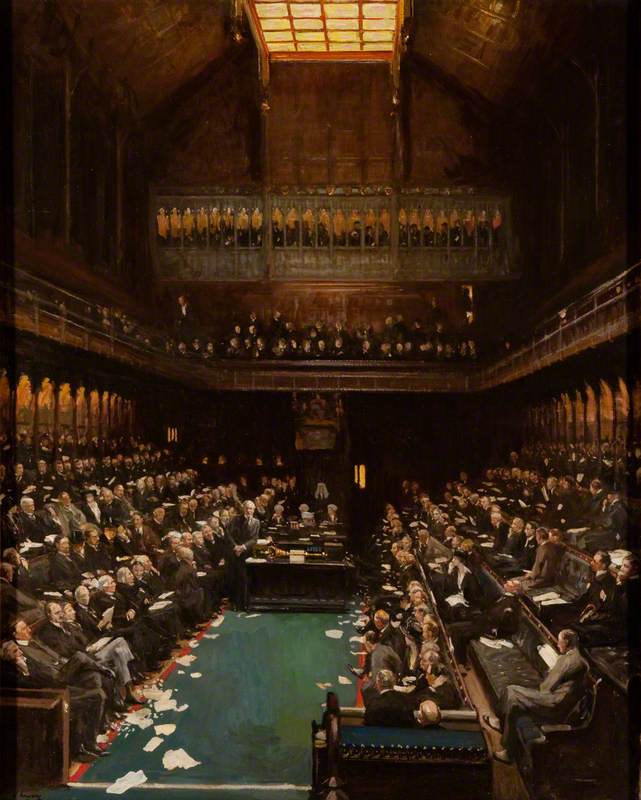
During the Second World War, the Blitz bombing destroyed the House of Commons chamber. From June 1941 the Commons occupied the House of Lords chamber, whilst peers moved to the neighbouring Robing Room, until the new Commons Chamber was completed in 1950. You can find out more about the extent of the bombing here.
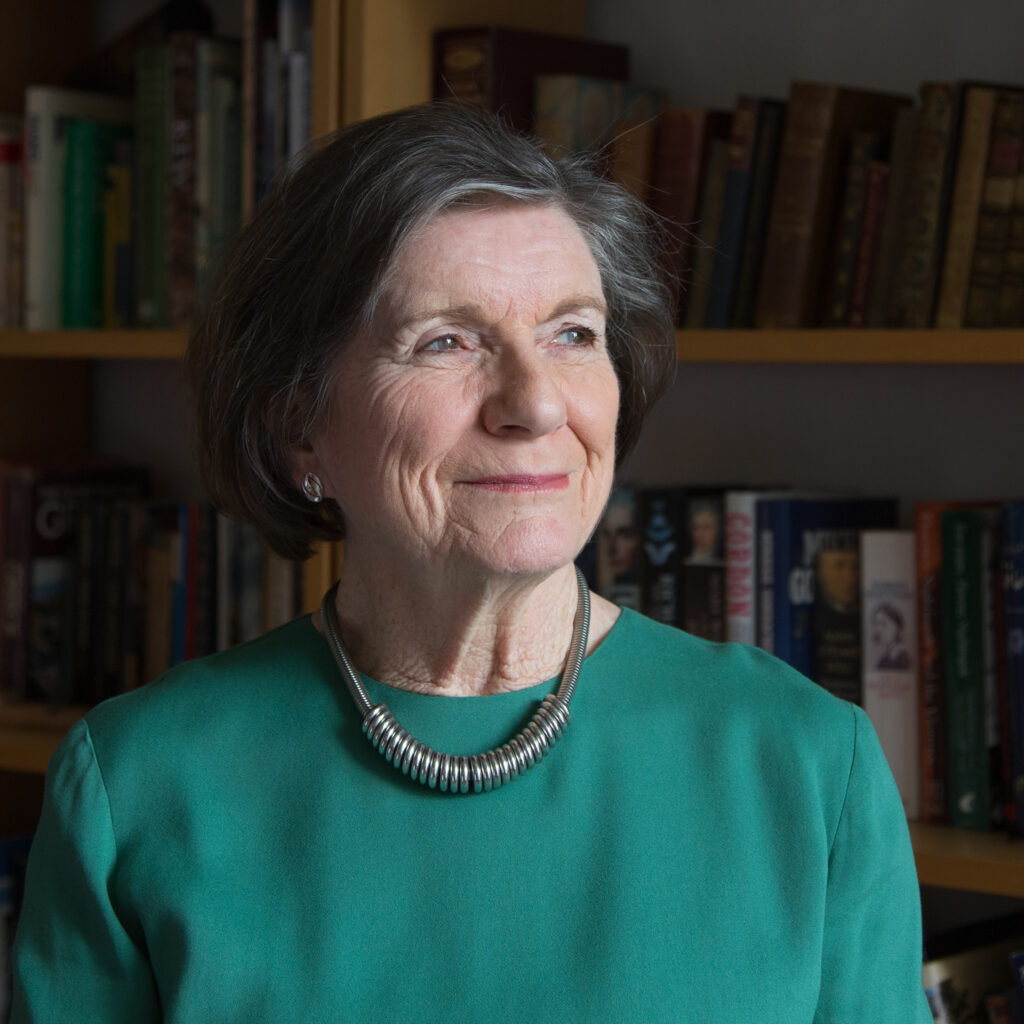
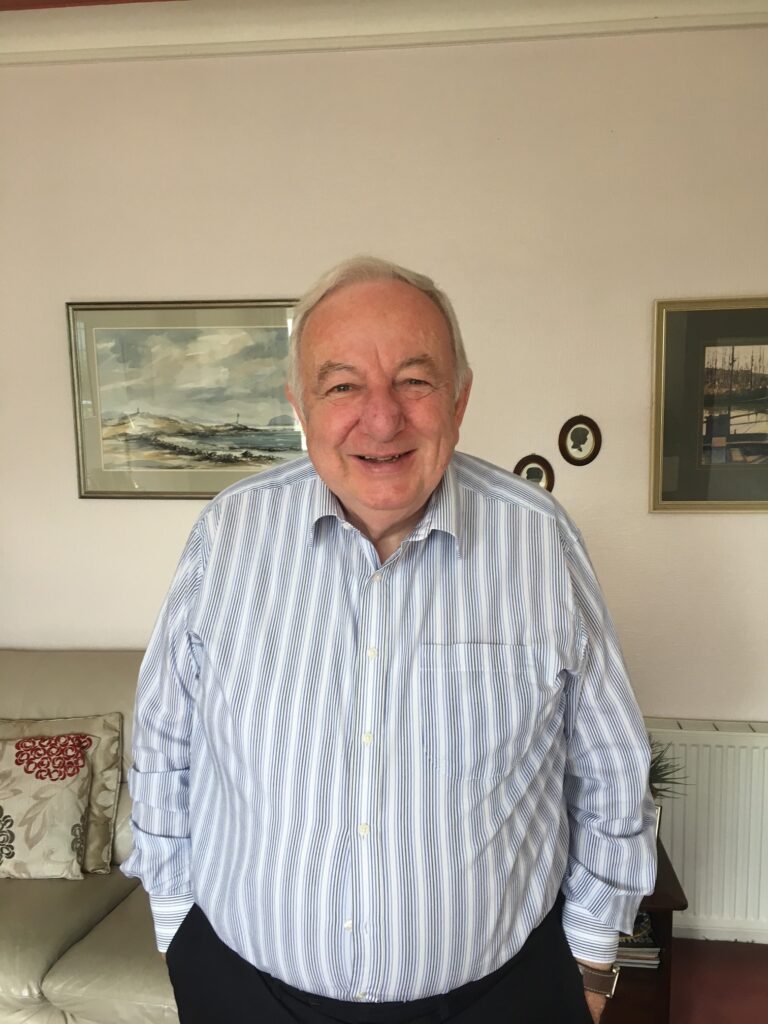
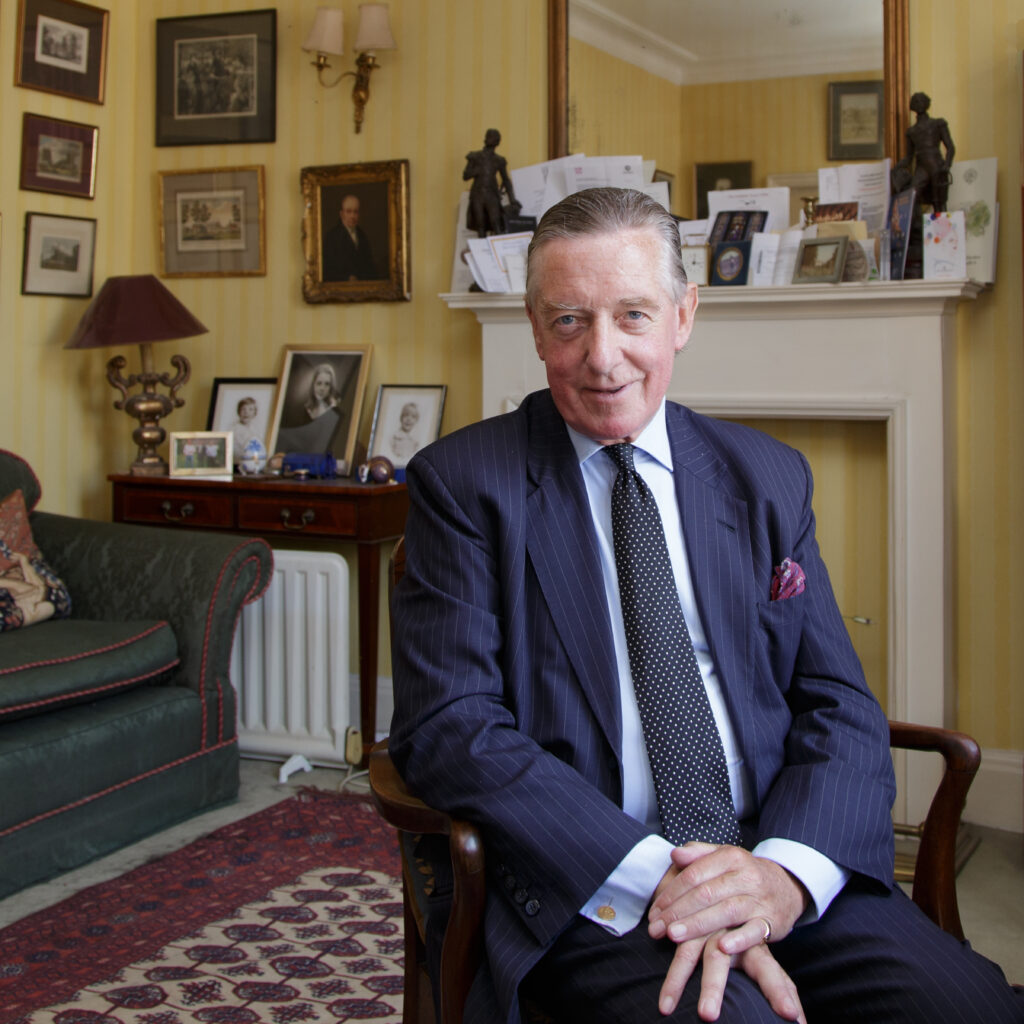
Due to the need for more office space, Portcullis House was opened in 2000. Previous to this expansion, it was commonplace for MPs to share offices. Below as part of our oral history project Jenny Tonge, George Foulkes and Charles Goodson-Wickes share their experiences on sharing offices/ the building of Portcullis House.
Jenny Tonge
Liberal Democrat, 1997-2005
George Foulkes
Labour, 1979-2005
Charles Goodson-Wickes
Conservative, 1987-1997
Parliament through the years: